
Hot Tub in Winter: Keep Soaking or Close It Until Spring?
A warm soak on a cold evening is hard to beat. Whether you’re keeping your hot tub running or closing it until spring, here’s what to know about winter care and proper winterizing.
A warm soak on a cold evening is hard to beat. Whether you’re keeping your hot tub running or closing it until spring, here’s what to know about winter care and proper winterizing.
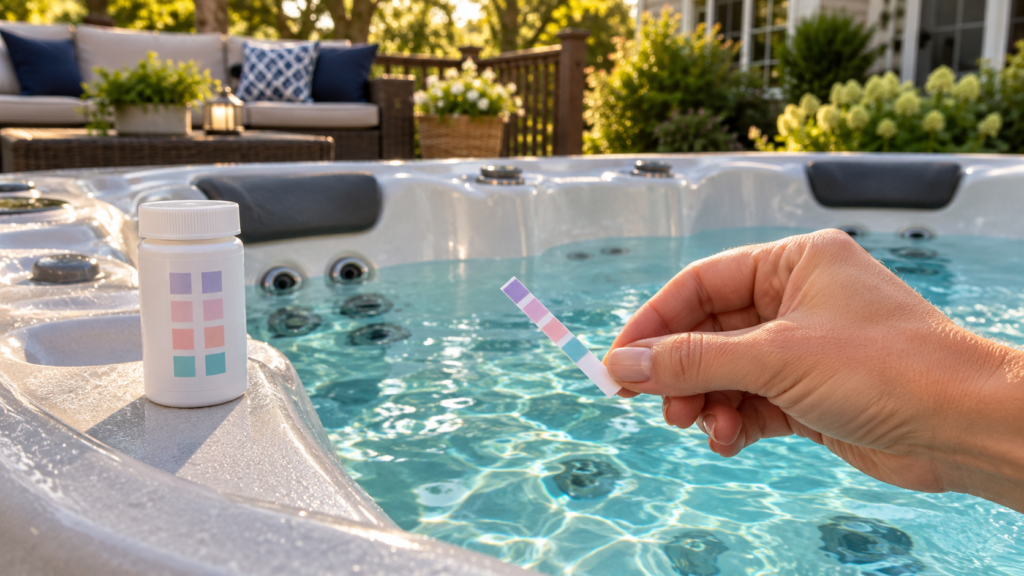
Confused by your hot tub’s sanitizer readings? Learn what chlorine and bromine levels mean, why different systems have different targets, and how to handle high or low readings—with straightforward advice that takes the guesswork out of water care.
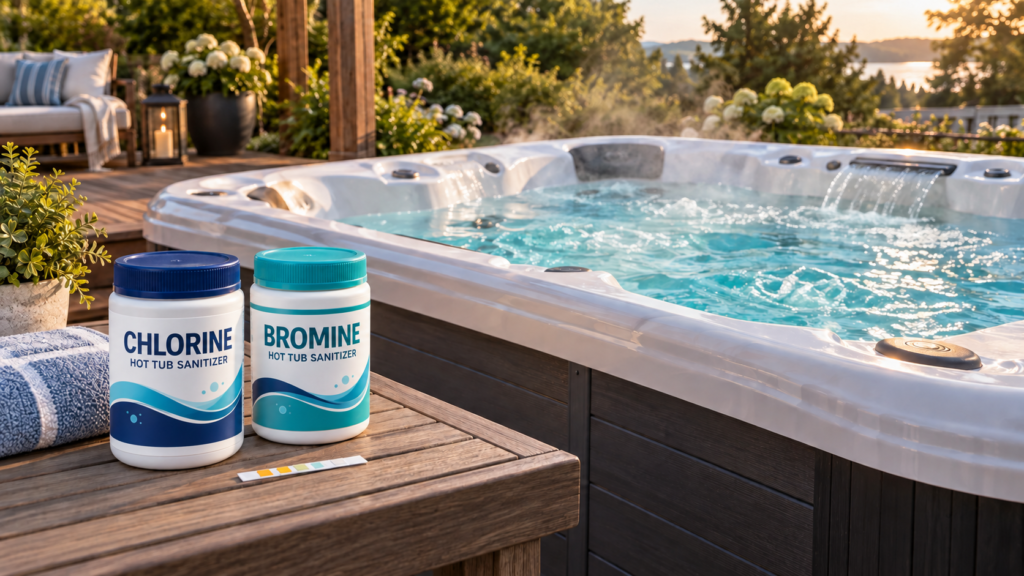
Chlorine or bromine? Both can keep your hot tub properly sanitized, but the right choice depends on more than the chemical. We’ll compare costs, maintenance, delivery options, and comfort to help you choose a routine that works for your spa—and for you.
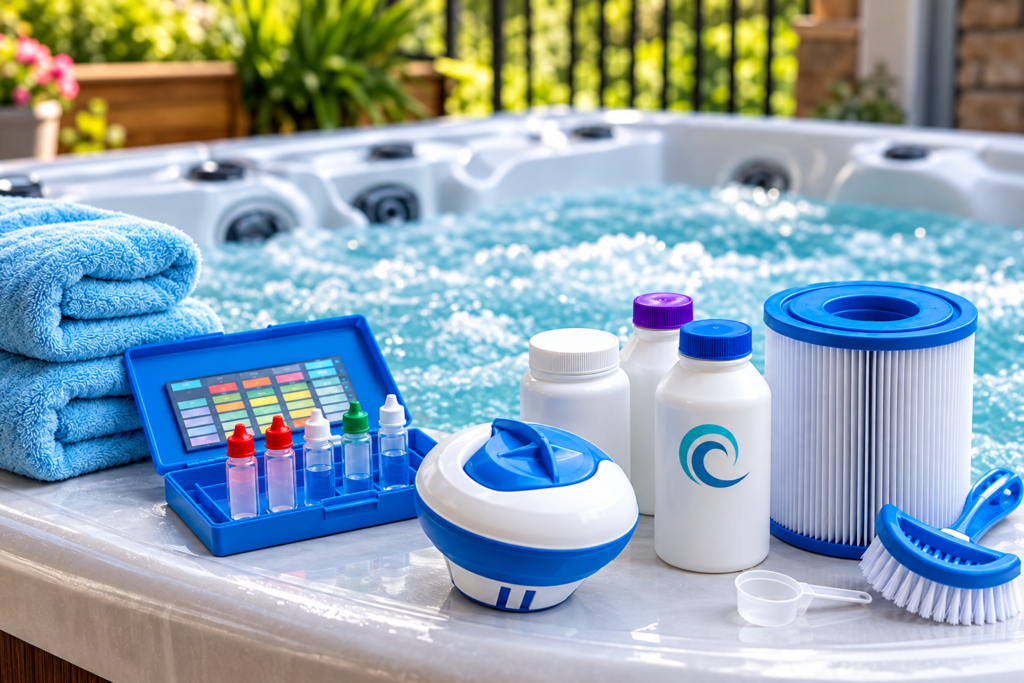
Hot tub water care doesn’t have to be complicated. This complete beginner’s guide explains sanitizer, pH, alkalinity, calcium hardness, shock, filtration, testing, and the simple maintenance routine you need to keep your spa water clean, clear, and ready to enjoy.
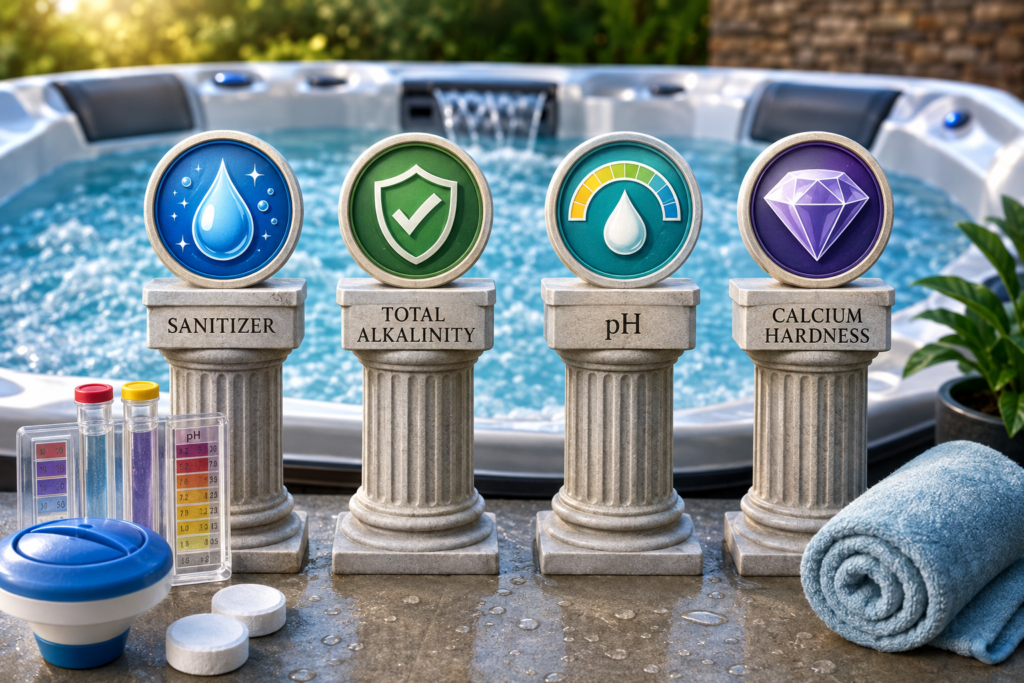
Hot tub water care doesn’t have to be complicated. Learn the four pillars of hot tub water balance—sanitizer, total alkalinity, pH, and calcium hardness—and discover how they work together to keep your spa water clean, clear, comfortable, and easy to maintain. This complete guide will help you understand ideal levels, prevent common water problems, and take the guesswork out of hot tub water chemistry.
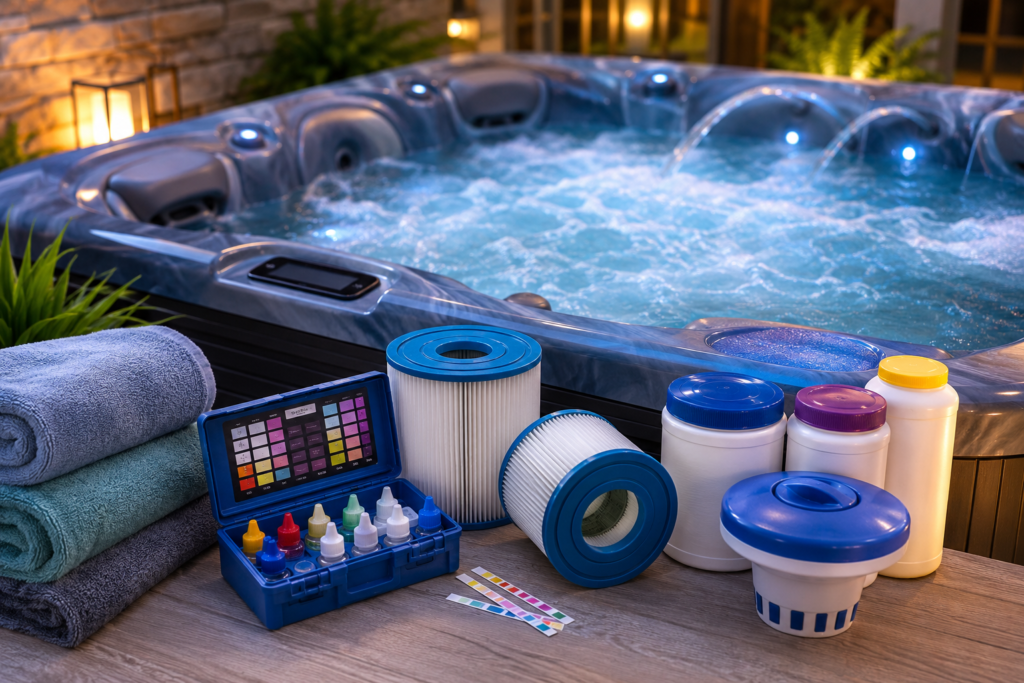
Weekly hot tub care doesn’t have to be complicated. This guide breaks down the exact steps you should follow each week — plus how your routine changes depending on whether you use chlorine, bromine, saltwater, or Frog @Ease. Keep your water clear, your equipment healthy, and your soak time stress‑free.
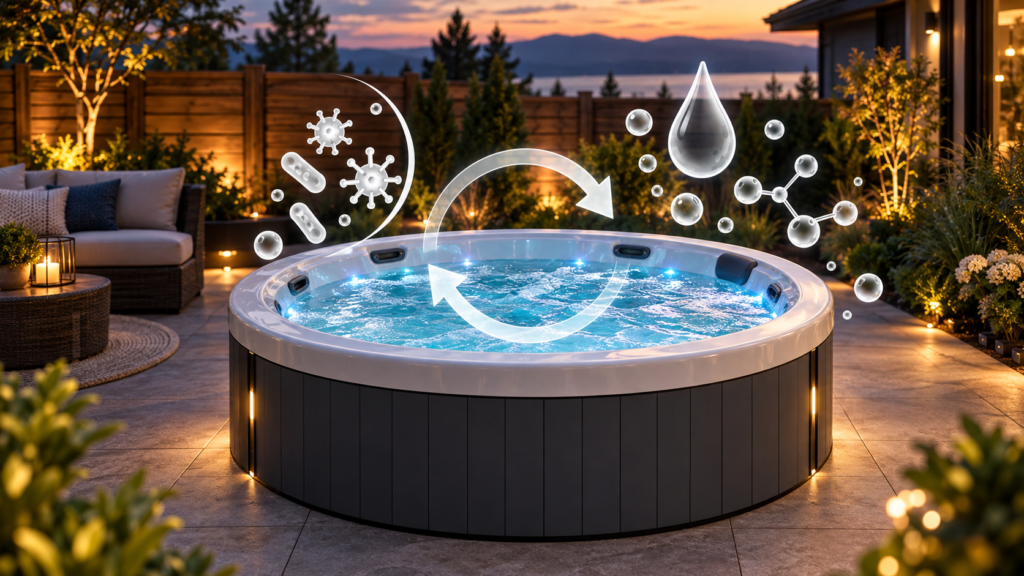
Most hot tubs require a full drain and refill every three to four months to manage chemical buildup and ensure safety. Saltwater systems are the exception, typically needing annual changes. This guide explains how rising TDS, CYA, and biofilm impact water stability, offering essential tips on maintenance schedules, biofilm purging, and recognizing when your water needs replacing.
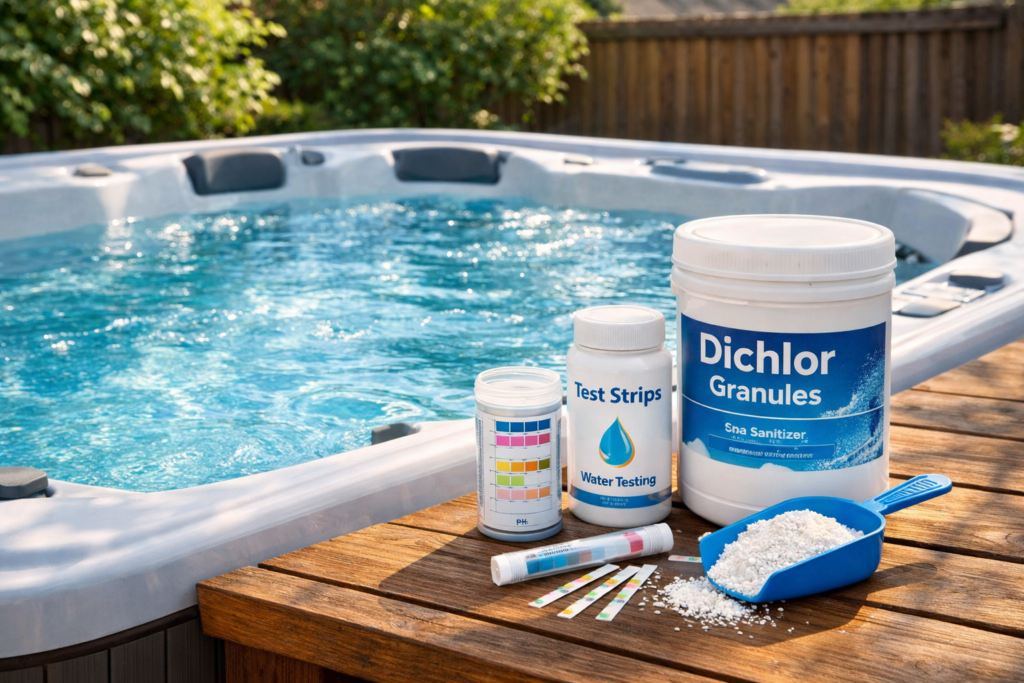
Not all chlorine is created equal — and using the wrong type can wreck your hot tub’s water chemistry. This guide breaks down each chlorine option, how it behaves in hot water, and which sanitizers deliver the safest, cleanest soaking experience.

A hot tub cover is one of the most important parts of your spa — but also one of the most overlooked. This guide explains how long covers last, how to maintain them, what ASTM safety ratings mean, and how to measure your spa for a perfect‑fitting replacement.

Phosphates are one of the most common contaminants in tap water — and while they’re not harmful to bathers, they can make hot tub water harder to manage. Learn what phosphates are, where they come from, and why they matter for clear, stable hot tub water.