Hot Tub in Winter: Keep Soaking or Close It Until Spring?
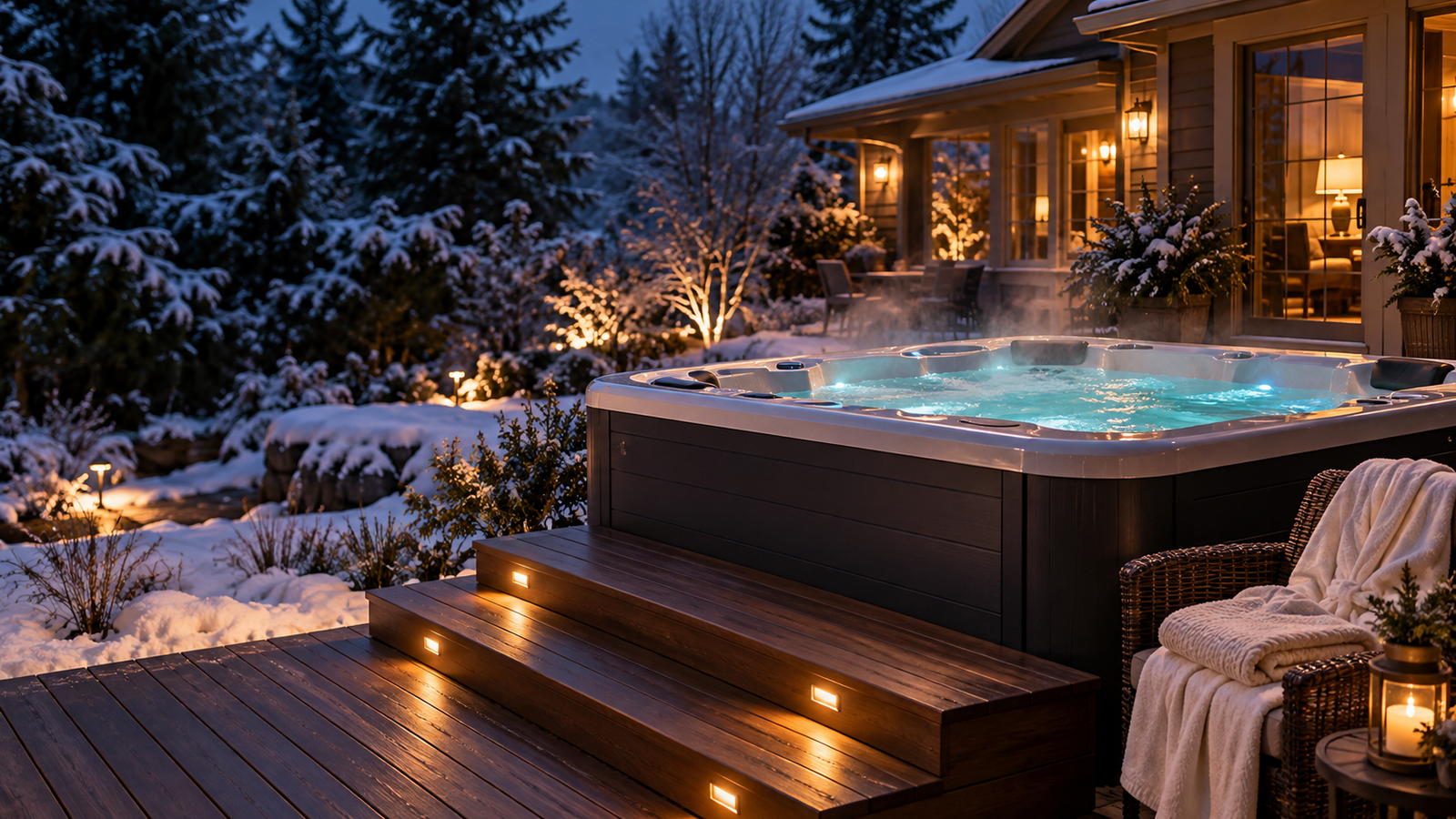
Enjoying Your Hot Tub in Winter: Warm Water, Cold Air, and a Cozy Robe Nearby
Enjoy your hot tub in winter with tips for comfortable soaking, cold-weather care, and proper winterizing if you’re closing it until spring.
There’s something hard to beat about a hot tub on a cold winter evening. The water is warm, the air is crisp, and for a little while, you have a perfectly good excuse to ignore everything on your to-do list.
Of course, the walk back to the house afterward can feel like an Olympic event. That’s when a good robe earns its place in the hall closet.
Some people love soaking while snowflakes drift down around them. Others decide that once winter arrives, the hot tub can take a break until spring. Neither choice is wrong, but whichever route you take, a little preparation now can save you headaches later.
Let’s talk about enjoying your hot tub during the cold months and what it takes to close it properly if you’re ready for a seasonal shutdown.
👀 What You’ll Learn
- How to make winter soaking more enjoyable.
- What your hot tub needs during cold weather.
- How to decide whether to keep it running.
- What proper winterization involves.
- What to do if you’ve already shut it down.
♨️ A Quieter Backyard and a Warm Place to Unwind
Summer in the backyard is busy. The grill is going, the lawn needs mowing, and there’s always another project waiting.
Winter brings a different pace. The yard gets quiet, and your hot tub can become a favorite place to spend a few peaceful minutes.
Maybe it’s where you and your spouse catch up after dinner. Maybe it’s how you unwind after work. Or maybe you just enjoy sitting somewhere your phone isn’t asking for your attention.
Before making winter soaking a routine, check your owner’s manual to confirm that your tub can operate in your local temperatures. Some inflatable and portable models have cold-weather restrictions. It’s better to know those limits before the first hard freeze.
🌡️ Warm Is Wonderful, but Hotter Isn’t Always Better
When it’s cold outside, turning up the water another degree or two sounds tempting. But cold air doesn’t prevent you from overheating.
Keep the water at or below 104°F (40°C). A lower temperature may feel more comfortable, and there’s no reason to stay in once you’ve had enough. If you feel dizzy, overheated, or uncomfortable, get out carefully.
Bring drinking water, and avoid alcohol before or during your soak. The CDC also advises keeping children younger than five out of hot tubs and consulting a healthcare provider before using one during pregnancy. You can find these recommendations in the CDC’s hot tub safety guidance.
Sometimes a short, quiet soak is all you need.
💧 A Little Attention Between Soaks Goes a Long Way
A cold front moves in, life gets busy, and a few days turn into a week. Suddenly, you realize you haven’t checked the tub.
Even when you’re using it less, it still needs regular care.
Keep testing and balancing the water according to your tub’s instructions and the labels on your care products. Check sanitizer and pH before soaking, and watch the water level. Clear water may look inviting, but appearance alone won’t tell you whether it’s properly balanced.
Make a quick daily check part of your routine:
Does the tub have power?
Is it maintaining its temperature?
Are there any error messages?
Is the water at the proper level?
Keep up with filter care, too, and pay attention to the cover. If it’s sagging, unusually heavy, damaged, or no longer fitting properly. A cover in good condition helps hold in heat between soaks.
Hot Spring’s maintenance guide covers these everyday basics. You don’t have to fuss over your tub all winter. You just need to check it often enough to notice when something changes.
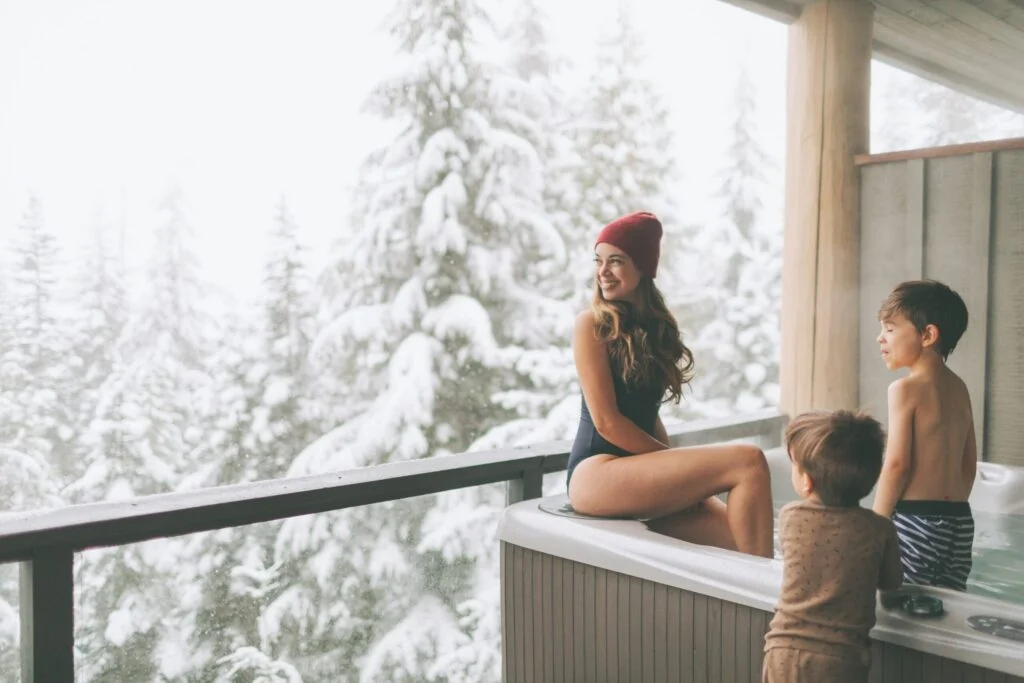
🏡 Is Keeping It Running Worth It?
For many owners, it is.
If your tub is designed for winter use, you’re home to care for it, and you’ll soak regularly, keeping it running can be a practical choice.
If you’ll be away for an extended period or know you won’t use it for months, consider the cost and care involved in both options.
There’s no single winter heating estimate that fits every household. Your climate, insulation, cover condition, electricity rates, and soaking habits all affect the bill. Compare those costs with what you’d spend on proper winterization and spring reopening.
Before switching to an economy or vacation setting, check how it affects heating and circulation in freezing weather. The right setting depends on your model and conditions.
If you leave the tub running while you’re away, arrange for someone to check it and leave your service company’s number. A phone alert from a connected hot tub can tell you there’s a problem, but someone still needs to respond.
🔧 Winterizing Means More Than Draining the Tub
This is the part that’s easy to overlook: a tub can look empty and still hold water inside its plumbing and equipment.
When trapped water freezes, it expands. That can damage components you won’t see until you refill the tub in spring.
Draining the shell is only one part of winterizing. The entire system needs attention, following the procedure for your particular model. Your owner’s manual should guide you through the process.
Think of the following as an overview of what’s involved, rather than a shutdown checklist for every tub.
🧼 Start Before Freezing Weather Arrives
Choose a day comfortably above freezing and allow plenty of time.
If your manufacturer calls for a plumbing cleaner or system flush, that step generally happens while the tub is still filled and operating. Follow the product directions and your owner’s manual.
Before draining or working on the equipment, disconnect power. Depending on the type of hot tub, that may mean turning off a breaker or unplugging it at the outlet. Stopping the jets or lowering the temperature at the control panel does not disconnect the electrical supply.
Clean and store the filters according to the manufacturer’s instructions, too. It’s one less job waiting for you in spring.
💨 Remove the Water You Can’t See
Once the shell is drained, the hidden water still needs to be removed.
Some procedures call for a wet/dry vacuum, but the openings, equipment drains, and method vary by model. Clearing one opening doesn’t necessarily clear every branch of plumbing.
For example, the Hot Spring Hot Spot owner’s manual identifies specific areas that require attention. Your tub may have a different arrangement.
If the instructions leave you unsure which part to disconnect or which opening to clear, call a qualified spa technician. You don’t need to become a hot tub technician to enjoy owning one.
🧴 Use Antifreeze Only as Directed
Antifreeze isn’t a substitute for removing trapped water.
If your manufacturer’s winterization procedure calls for it, follow the specified product, amount, placement, and order of steps. Pouring it into the empty shell won’t necessarily protect the plumbing, and leftover water can dilute it.
Never use automotive antifreeze. Use only a product approved for your hot tub’s winterization procedure, and record what was added so it can be removed properly before your next soak.
🛡️ Secure the Tub and Check It Occasionally
Finish by drying the shell and securing the cover and equipment panels according to your manual.
A closed tub still needs an occasional check, especially after storms. Make sure the cover remains secure, and follow its care instructions when removing snow or dealing with ice.
If a professional handles the shutdown, ask what reopening will involve and whether it requires a separate appointment. Keep a record of any products added or parts removed. A few notes now can make spring startup much easier.
😬 Already Turned It Off?
First, find out whether the tub was fully winterized or simply switched off and drained.
If a dealer or technician winterized it, follow their instructions for winter checks.
If you only turned off the power or emptied the shell, water may still be trapped inside. Contact your service company promptly if freezing temperatures are possible. Explain what you did, how long the tub has been off, and whether any water remains.
If you suspect something has already frozen, leave the equipment off until a qualified technician can assess it. Trying to run the pump could cause further damage.
⚡ What If the Power Goes Out?
Keep the cover closed to conserve heat, and contact your dealer promptly if freezing conditions put the tub at risk.
How quickly a tub loses heat depends on the outdoor temperature, wind, insulation, and water temperature when the outage begins. There’s no guaranteed number of safe hours that applies to every tub.
Partially draining it can still leave water in vulnerable places. Ask your service company whether emergency winterization is needed and what steps are appropriate for your model.
Save that number before a storm arrives. It’s much easier than hunting for it when the lights are already out.
Check out our report about Hot Tub Power Outage What to do and how to prepare
💙 Final Thoughts
A hot tub can make winter a whole lot more enjoyable. There’s something special about sinking into warm water while the air around you is cold and quiet.
If you’re keeping yours running, a little regular attention helps you catch problems and keep enjoying it. If you’re closing it, taking care of the hidden plumbing is just as important as draining the water you can see.
Either way, a bit of planning now can leave you with fewer surprises—and a next soak to look forward to.
💬 Are You Keeping Yours Open This Winter?
Are you looking forward to cold evenings in the warm water, or giving your hot tub a break until spring? Jump to the comments and tell us. We’d love to hear your favorite winter-soaking tips, too.
And if a little more time to unwind sounds good, visit our winter hot tub wellness post for more winter-soaking inspiration.
Looking for Another Hot Tub Answer?
Search The Hot Tub Report for more water care, troubleshooting, and buying advice.
Trusted Links & References
If you’d like to read a little more before your next winter soak—or before closing up for the season—these are useful places to start:
A Little More Hot Tub Know-How, Delivered
Get practical water care tips, maintenance advice, and helpful reports delivered right to your inbox. It’s free, and it’s all about making hot tub ownership a little easier.
HOT TUB CONCIERGE SERVICE
Need a Little More Help?
Sometimes a little one-on-one guidance makes all the difference.
Whether you’re shopping for a hot tub, troubleshooting a water problem, or just looking for some expert advice, I’m here to help.
Get personalized guidance during a 30-minute Hot Tub Concierge consultation.
Recommended Reads From The Hot Tub Report
Looking for more helpful advice? Explore these related reports for additional hot tub tips, practical guidance, and answers to common ownership questions.
💬 Join the Conversation!
Have a question, a helpful tip, or a hot tub experience to share? Drop a comment below! We’re here to help each other enjoy better hot tub ownership.
Please keep comments friendly, helpful, and on topic.