Winter Hot Tub Use: Relaxation, Comfort & Cold-Weather Care.
Winter Hot Tub Use: Relaxation, Comfort & Cold-Weather Care
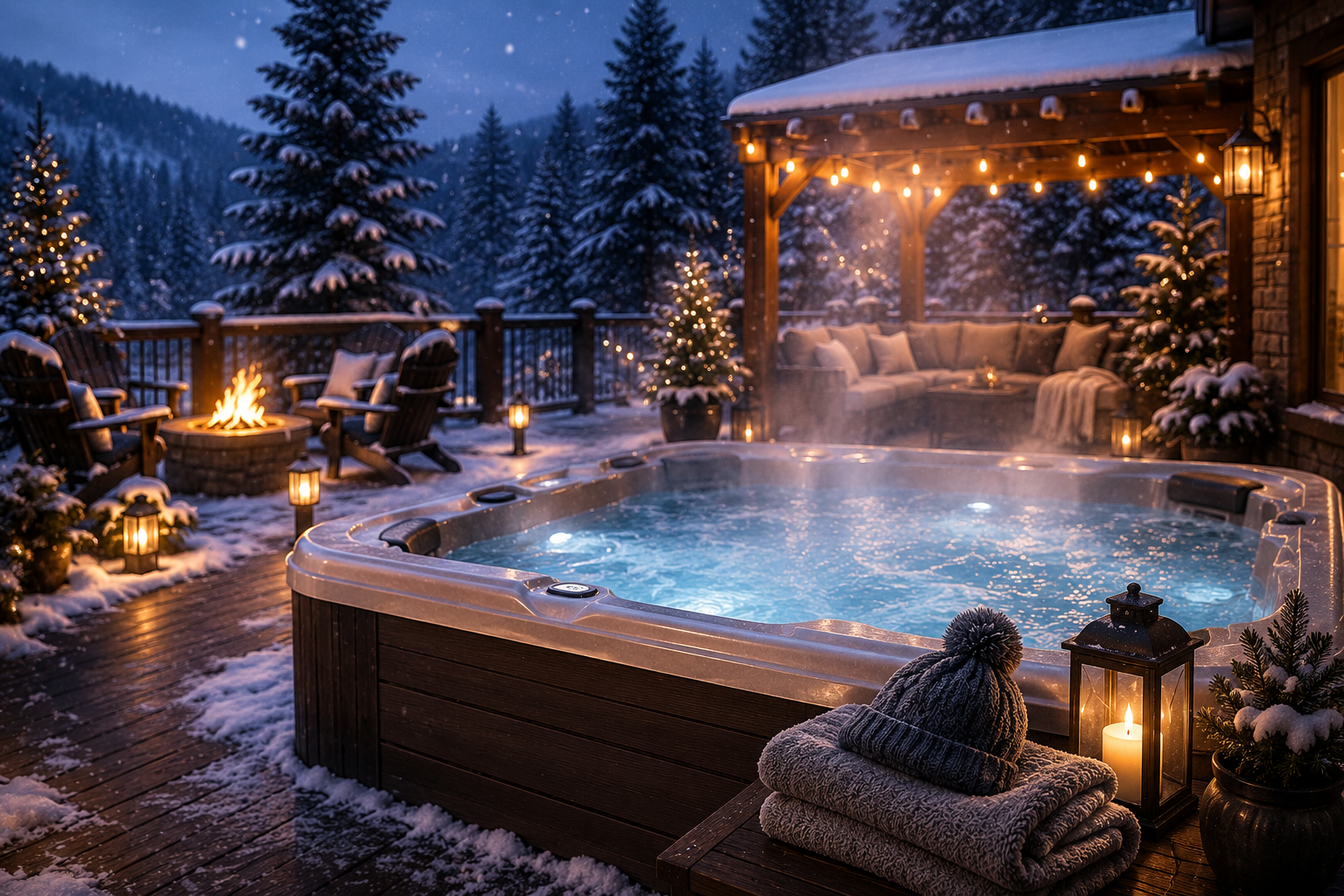
There’s something about settling into warm water on a cold evening that makes owning a hot tub especially worthwhile. Steam rises, the backyard gets quiet, and for a little while, winter feels like something to enjoy.
Living in the Rochester area, I’ve had plenty of opportunities to appreciate a winter soak. It gives you a reason to spend time outside when the patio furniture is packed away and most of the backyard has closed for the season.
A little preparation makes the experience more comfortable. A clear path, a dry robe within reach, and a well-maintained hot tub all make a difference—especially when it’s time to get out.
In this report, we’ll cover how to enjoy your hot tub through the colder months, from planning a comfortable soak to managing water care, heat loss, and winter weather. The goal is to make winter hot tub ownership easier, so you can spend more time enjoying the warm water and less time sorting out cold-weather problems.
💧 What You’ll Learn in This Report
- How to tell whether your hot tub is suitable for winter use.
- Ways to make your winter setup comfortable and easy to access.
- How a warm soak can help you unwind and soothe everyday aches.
- What to consider when choosing water temperature and soak length.
- How to manage jets, air controls, and water features in cold weather.
- How to maintain water quality and top up the water during winter.
- When to plan a purge, drain, and refill.
- How your cover and temperature settings affect heat loss and running costs.
- What to prepare before a winter power outage.
🛁 Can You Use a Hot Tub in the Winter?
Yes—many hot tubs are designed for year-round outdoor use, including freezing weather. With the right equipment, installation, and maintenance, winter can be one of the most enjoyable seasons to use yours.
Start with your model’s capabilities
Check your owner’s manual for cold-weather operating instructions and any minimum outdoor-temperature limits. Insulation, heater capacity, plumbing design, and freeze-protection controls all affect winter performance.
Some portable and inflatable models have restrictions that make them unsuitable for certain winter conditions. A freeze-protection feature doesn’t automatically mean a hot tub is designed for every climate.
Keep heating and circulation operating
A hot tub in winter service needs power, adequate water, and proper circulation. Follow the recommended operating settings and keep filters clean so water can move through the system as intended.
If you plan to shut it down for the season, follow the complete winterization procedure. Draining the main body of water alone can leave water trapped in plumbing and equipment.
Consider the conditions outside, too
There isn’t one outdoor temperature that makes soaking appropriate for everyone. Wind, ice, exposed skin, and the distance back indoors all matter. Even when the hot tub can maintain its temperature, severe weather may make getting in and out uncomfortable or unsafe.
Choose evenings when you can reach the hot tub safely, enjoy a comfortable soak, and get back indoors without difficulty.
Winter use works best when both the hot tub and its surroundings are ready. Once those basics are covered, you can settle in and enjoy a part of the backyard that might otherwise go unused until spring.
🔥 Create a Comfortable Winter Hot Tub Setup
A good winter setup makes the whole experience easier—from opening the cover to getting back inside afterward. Start with the things you’ll use every time you soak.
Keep the route clear and well lit
Clear snow and ice from the path, steps, and the area where you stand to remove the cover. Pay attention to water that drips off bathers and freezes after use.
Lighting should help you see your footing without shining directly into your eyes while you soak. Keep cords and other trip hazards out of the walkway.
Give yourself a secure way in and out
Stable steps with a slip-resistant surface and a properly installed handrail can make entry and exit more manageable. Position them so you can move comfortably while carrying as little as possible.
A robe and towel placed within easy reach are more useful than ones waiting on the other side of the patio.
Add shelter where it helps
A suitable windbreak can make a noticeable difference on breezy evenings. Fencing, landscaping, or a properly designed gazebo may provide shelter and privacy.
Keep equipment access and required ventilation clear. Any overhead structure should be suitable for local snow loads, with roof runoff and falling snow directed away from the hot tub and its entrance.
Choose accessories for the location
Use lighting, heated mats, and other electrical accessories only where their outdoor and wet-location ratings permit. Follow installation instructions and required distances from water.
If you add a patio heater or fire pit, maintain its specified clearances from the hot tub, cover, structures, and anything combustible.
Make the space inviting
A few evergreens, soft lighting, and somewhere dry to keep your essentials can be enough. You don’t need to rebuild the backyard to enjoy it in winter—just make the trip between the door and the water a little more comfortable.
🌨️ Winter Relaxation and Everyday Aches
Winter brings its own collection of tired muscles. Shoveling, carrying firewood, skiing, or simply spending more time sitting indoors can leave you ready for a comfortable place to unwind.
A warm soak offers a chance to settle into a supportive seat, adjust the jets, and give yourself a few quiet minutes.
Comfort for tired muscles.
Warm water can help ease the feeling of tight, achy muscles. Heat increases blood flow, while buoyancy takes some weight off your joints. Together, those effects can make it easier to find a comfortable position and relax.
Choose a massage pressure that feels pleasant. If you’re bracing against a jet, turn it down or move to another seat. More force isn’t always more comfortable.
A welcome break from stiffness.
When you’re feeling stiff, the support of the water may make gentle movement more comfortable. Give yourself room to change position, and keep any movement within a comfortable range.
You can also switch the jets off and simply enjoy the warmth. Sometimes quiet water is exactly what the evening calls for.
Time to unwind.
Shorter days can make evenings feel like a quick trip from work to dinner to bed. A soak gives you a reason to pause—whether you prefer a quiet conversation, a little music, or listening to the snow fall.
The appeal is often that simple: comfortable warmth, a massage you enjoy, and time when nothing needs doing. The snow shovel can wait by the door for its next assignment.
🧤Warming Up After Winter Activities
After a winter walk, an afternoon on the slopes, or clearing the driveway, a warm soak can be something to look forward to. Give yourself time to come indoors, catch your breath, and get out of wet clothing before deciding whether you’re ready for the hot tub.
Let your body settle first
If you’ve been working hard, take a break and drink some water. Wait until your breathing has settled and you feel comfortable before adding the heat of a soak.
Choose a comfortable water temperature and gentle jet pressure. The aim is to relax after the activity, with enough energy left to get out safely and head indoors.
Keep dry essentials close by
Have a dry towel, robe, and suitable footwear ready before entering. Protect them from snowfall and splashes so they’re useful when you need them.
Afterward, dry off, put on warm layers, and return indoors promptly. Wet swimwear becomes much less appealing once you’re out of the water.
Treat numbness or unusual symptoms separately
If fingers, toes, or other exposed areas are numb, unusually pale, or painful after being outside, head indoors and seek appropriate medical advice. Numb skin can make it difficult to judge water temperature, so don’t use a hot tub to thaw suspected frostbite.
For an ordinary chilly afternoon, a little planning makes the transition from outdoor activity to a relaxing soak much more enjoyable.
⛄️ Prepare for a Comfortable Winter Soak
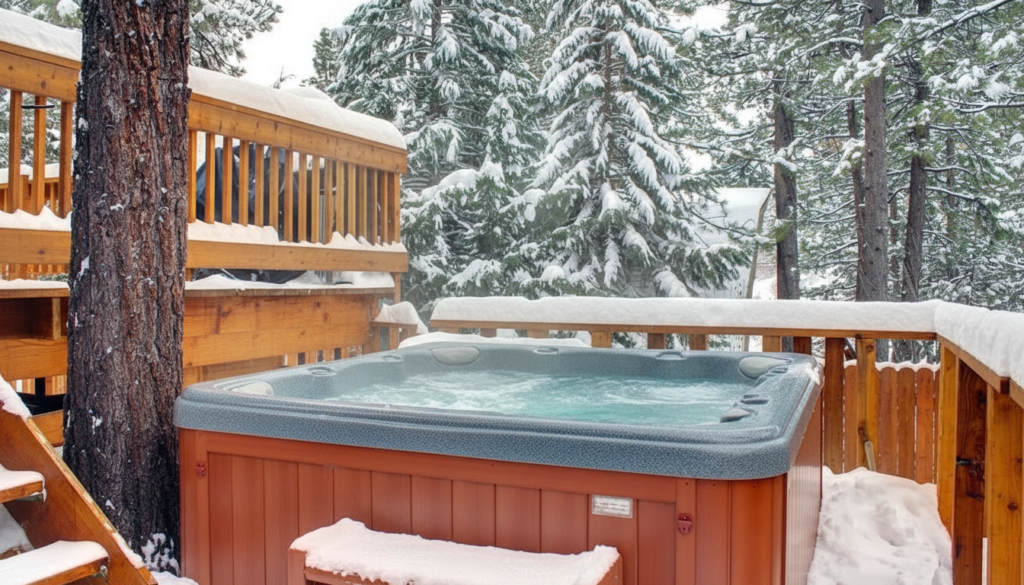
A few minutes of preparation can make your soak more enjoyable—especially when it’s time to get out.
Put your essentials within reach
Have a dry towel, warm robe, and footwear with good traction ready beside the hot tub. Keep them protected from snow and splashes, with nothing blocking the steps or handrail.
A weather-resistant storage box can keep items dry, but it won’t necessarily keep them warm. Bring your robe and towel out shortly before you soak.
Dress for the walk
Wear suitable footwear between the house and hot tub, and take your time. A clear path and steady footing are more useful than trying to beat the cold with a quick dash.
A warm hat can make exposed ears and your head more comfortable. Keep it dry, and head indoors if the wind or cold becomes unpleasant.
Have drinking water available
Bring water in an unbreakable container and keep it somewhere you can reach comfortably. Skip alcohol before and during your soak so your balance and judgment stay sharp.
Plan the exit before you settle in
Make sure the route indoors is clear, the door is accessible, and you can close and secure the cover without struggling. If the cover is frozen in place or too heavily loaded with snow to handle safely, address that before using the hot tub.
When you finish, stand up slowly, use the handrail if available, and dry off promptly.
The best winter setup lets you move comfortably from the house to the water and back again. Discovering that your towel is still on the kitchen counter is much less amusing when you’re wet.
❄️ Water Temperature and Soak Length in Winter
Warm water can feel especially inviting when the air is cold. Choose a temperature that feels comfortable, and remember that you can still overheat even while your face and shoulders feel chilly.
Choose comfortable warmth
Keep the water below 104°F (40°C), treating that upper limit as a ceiling rather than a target. A lower setting may suit you better. Give yourself a moment to settle in before deciding whether to adjust it.
If the hot tub struggles to maintain temperature with the cover open, consider a shorter soak. Its heater capacity, outdoor conditions, and jet settings all affect heat loss.
Keep your session short
Cleveland Clinic recommends hot tub sessions of 15 minutes or less. Get out sooner if you feel too hot, dizzy, light-headed, or develop a headache. A timer can help you keep track without repeatedly reaching for your phone.
Pay attention to exposed skin
Wind and cold still affect the parts of your body above the water. If your ears, face, or shoulders become uncomfortably cold, finish the soak and head indoors. Turning up the water temperature won’t protect exposed skin.
Finish while you still feel comfortable
Allow enough time to get out carefully, dry off, and secure the cover. A short, pleasant soak is easier to enjoy as a regular winter habit than one that leaves you overheated in the water and shivering on the steps.
✈️ Jets, Air Controls, and Water Features in Cold Weather
Your hot tub’s controls let you adjust more than massage strength. Air bubbles, splashing water, and surface movement also affect how quickly the water loses heat while the cover is open.
Use air controls for the massage you enjoy
On many hot tubs, air controls mix air into the water flowing through the jets. That can make the massage feel stronger and more bubbly, while also increasing cooling.
Use the setting that feels comfortable. When you’ve finished, return the air controls to the position recommended in your owner’s manual.
Run blowers when you want them
If your hot tub has a separate air blower, enjoy it as part of your soak. You may notice the water cools more quickly while it runs, particularly in cold weather. Turning it off when you’ve had enough bubbling can help conserve warmth.
Follow winter instructions for waterfalls and fountains
Water features expose more water to cold air and can create splashes that freeze on nearby surfaces. Watch for ice around the rim, steps, and walkway.
The correct winter valve position depends on the plumbing design. Some manufacturers specify leaving certain features partially open to maintain flow. Follow your model’s instructions rather than assuming every waterfall should be fully closed or run occasionally.
Let the automatic protection operate
Keep the recommended heating, circulation, and freeze-protection settings enabled. Avoid disabling automatic cycles simply because you aren’t using the hot tub that day.
Enjoy the features you like, then return the controls to their recommended settings and secure the cover. That simple habit helps the hot tub retain warmth between soaks.
💦 Winter Water Care and Topping Up
Your hot tub still needs regular water care when the temperature drops. Keeping an eye on water quality and water level helps you catch small issues before they interrupt a winter soak.
Keep testing through the quieter weeks
Follow your water-care system’s testing schedule, including checking sanitizer and pH before use. Adjust treatment for actual use, and keep up with filter cleaning even when you’re soaking less often.
Store test strips, reagents, and chemicals within the temperature ranges on their labels. A freezing outdoor storage box may keep supplies dry without keeping them usable.
Watch the water level
Evaporation, splashing, and water carried out on swimwear gradually lower the level. Keep it within the range marked on the hot tub or specified in the manual so the system can draw water properly.
If the level drops unusually quickly, investigate a possible leak. Repeatedly adding water can hide a problem that deserves attention.
Have a usable hose ready
Keep a drained hose somewhere protected from freezing. Before topping up, make sure the hose and outdoor water supply are usable. Don’t force a frozen faucet or try to thaw equipment with an open flame.
Use your normal approved fill-water source and follow the hot tub’s filling instructions. Snow isn’t a suitable substitute for clean fill water.
Stay nearby while adding water
Monitor the level throughout the fill, keeping the hose from creating a trip hazard. Prevent spills from running across steps or walkways, where they could freeze.
When finished, disconnect and drain the hose and put it away. Follow the outdoor faucet’s winter-care instructions, too.
Allow the added water to mix
Fresh water can change the temperature and water chemistry. Let it circulate as directed, then test and make any needed adjustments before soaking.
A little preparation makes winter top-ups straightforward—and saves you from discovering that your hose has become a fifty-foot ice sculpture.
🛁 Plan Your Water Change Before Severe Cold
If a drain and refill is coming due, try to schedule it before the coldest weather arrives. A milder day gives you more room to clean, refill, and restore normal operation without freezing conditions complicating the job.
Include a plumbing purge when appropriate
If your maintenance routine calls for a purge, do it before draining. Use a product suitable for your hot tub and follow its directions for dosing, circulation, filter handling, and rinsing.
A purge helps remove buildup inside the plumbing that cleaning the shell alone won’t reach. Plan enough time to complete the entire process, including any additional rinsing the product requires.
Get everything ready first
Have your hose, cleaning supplies, filters, and startup products available before you begin. Confirm that the water supply works and that you have a suitable place to discharge the old water without creating ice on a walkway or neighboring property.
Clean reusable filters according to their instructions, or have a clean spare set ready.
Keep the drain-and-refill process moving
Shut off power and drain according to your owner’s manual. Clean the shell with an approved product, rinse as directed, and refill using the recommended method.
Avoid leaving the hot tub empty overnight in freezing weather. Water remaining in plumbing and equipment can freeze even after the main body of water has drained.
Confirm normal operation after refilling
Once the water reaches the proper level, restore power as instructed and verify that the pumps are moving water and the heater is operating. Address an air lock or flow warning promptly rather than assuming it will clear on its own.
Balance the fresh water and establish the sanitizer level required by your system before use.
If severe cold arrives before you can safely complete the job, ask your dealer about the best approach for your model. Planning around the weather is easier than rushing through a refill while the temperature keeps falling.
🌡️ Covers, Temperature Settings, and Winter Running Costs
Your hot tub generally needs more energy to maintain warm water as outdoor temperatures fall. How much more depends on insulation, cover condition, wind exposure, water temperature, and how often you soak.
Start with the cover
A well-fitting cover helps retain heat between uses. Check that it sits evenly, closes fully, and seals properly around the edges and center hinge.
For foam-core covers, thickness and foam density both contribute to insulation. A tapered design helps shed rain and melting snow. When comparing replacements, consider the complete cover construction and its suitability for your climate.
A heavy, waterlogged, sagging, or damaged cover deserves attention. Secure the straps after use, and remove accumulated snow using the cover manufacturer’s recommended method.
Choose temperature settings around your routine
If you soak most days, keeping the water near your preferred temperature makes the hot tub ready when you are. If you won’t use it for a longer period, a lower approved setting can reduce heat loss.
The potential savings depend on how far you lower the temperature and how long it stays there. Allow time for reheating before your next soak, especially with a lower-output heater.
Keep winter protection operating
Follow your model’s cold-weather instructions when using economy, sleep, or vacation modes. Keep the necessary power, heating, and circulation available for freeze protection.
A temperature setback and shutting the hot tub off are very different decisions. A seasonal shutdown requires a complete winterization procedure.
Reduce unnecessary heat loss
Have your supplies ready before opening the cover, and close it promptly when you finish. A suitable windbreak can also make the area more comfortable and reduce exposure, provided it preserves required ventilation and service access.
Focus on the things you can control: a sound cover, appropriate settings, and consistent maintenance. Those habits help manage winter costs while keeping the hot tub convenient to enjoy.
⚡️ Prepare for Winter Power Outages
A little planning before an outage gives you a clearer path if the hot tub loses power during freezing weather. Keep your dealer’s contact information handy, and know where to find your model’s cold-weather instructions.
Keep the cover closed
During an outage, keep the cover fully seated and secured to conserve heat. Avoid repeatedly opening it to check the water.
There isn’t one guaranteed amount of time a hot tub can remain without power in freezing conditions. Insulation, starting water temperature, wind, outdoor temperature, and outage length all matter. Plumbing and equipment can cool faster than the main body of water.
Contact your dealer early if the outage may continue
If power restoration is uncertain or temperatures are severe, ask your dealer about the appropriate next steps for your model. Getting advice early leaves more time to arrange protection or professional winterization if needed.
Don’t drain it as a first reaction
Draining the shell leaves water in pipes, pumps, and other components. A complete winterization procedure addresses those areas as well. Follow model-specific guidance before deciding to empty the hot tub.
Avoid improvised heaters, open flames, or unapproved electrical connections around the equipment.
Check operation when power returns
Confirm that the controls have restarted normally, water is circulating, and the heater is working. Look for error messages or visible leaks.
If you suspect frozen plumbing, or a pump hums without moving water, stop trying to run it and contact your dealer. Once normal operation is restored, test the water and make any necessary adjustments before soaking.
The most useful preparation is knowing whom to contact and what your hot tub requires. Having that information ready is much easier than searching for it during a storm.
Your winter hot tub checklist:
- Confirm your model’s cold-weather operating requirements.
- Keep paths, steps, and the cover clear of snow and ice.
- Have a dry towel, robe, and suitable footwear ready.
- Choose a comfortable water temperature and keep soaks short.
- Maintain the recommended water level, sanitizer, and water balance.
- Keep filters clean and follow winter instructions for water features.
- Plan needed purging, draining, and refilling around suitable weather.
- Secure the cover and keep required heating and circulation operating.
- Have your dealer’s contact information and an outage plan ready.
🧠 Final Thoughts: Make Winter Part of the Enjoyment
A quiet backyard, cool air, and warm water can make a winter soak something you look forward to all day. It’s one of the pleasures of owning a hot tub in a cold climate—and a good reason to keep enjoying the backyard after summer ends.
The preparation doesn’t need to be elaborate. Safe access, dry essentials within reach, and a consistent care routine make the experience more comfortable from start to finish.
Pay attention to the weather and how you feel. Some evenings are perfect for a soak; others are better enjoyed from indoors.
With the basics taken care of, winter gives you plenty of reasons to lift the cover, settle in, and enjoy your hot tub.
💬 Be Ready Before the Power Goes Out
A winter soak is relaxing. Wondering how your hot tub will handle a power outage? A little less so.
Take a few minutes to read our Hot Tub Power Outage Guide. You’ll learn how to conserve heat, when to contact your dealer, and what to look for when power returns. There’s also a downloadable checklist to keep handy—because the middle of a snowstorm is a lousy time to start making a plan.
Looking for Another Hot Tub Answer?
Search The Hot Tub Report for more water care, troubleshooting, and buying advice.
A Little More Hot Tub Know-How, Delivered
Get practical water care tips, maintenance advice, and helpful reports delivered right to your inbox. It’s free, and it’s all about making hot tub ownership a little easier.
HOT TUB CONCIERGE SERVICE
Need a Little More Help?
Sometimes a little one-on-one guidance makes all the difference.
Whether you’re shopping for a hot tub, troubleshooting a water problem, or just looking for some expert advice, I’m here to help.
Get personalized guidance during a 30-minute Hot Tub Concierge consultation.
Recommended Reads From The Hot Tub Report
Looking for more helpful advice? Explore these related reports for additional hot tub tips, practical guidance, and answers to common ownership questions.
💬 Join the Conversation!
Have a question, a helpful tip, or a hot tub experience to share? Drop a comment below! We’re here to help each other enjoy better hot tub ownership.
Please keep comments friendly, helpful, and on topic.