Hot Tub Power Outage: How to Protect Your Hot Tub in Cold Weather
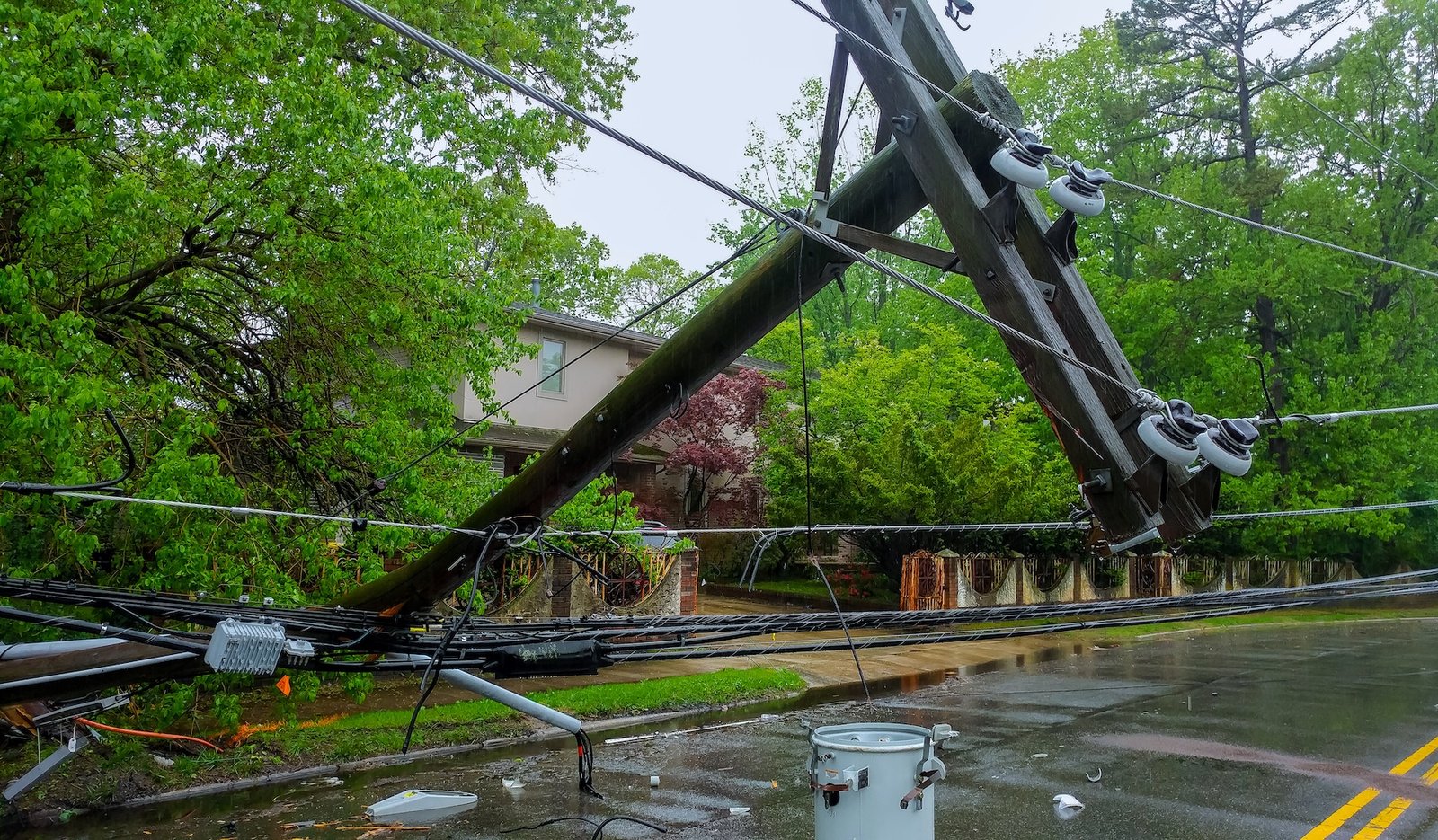
Hot Tub Power Outage: How to Protect Your Hot Tub in Cold Weather
Learn how to prepare your hot tub for a power outage, reduce heat loss in cold weather, and restart safely when electricity returns. Includes a checklist.
The good news is that a warm, well-insulated hot tub with a properly fitted cover holds a considerable amount of heat. Losing power doesn’t mean it will freeze immediately. But there’s no reliable countdown that applies to every hot tub. Outdoor temperature, wind, insulation, starting water temperature, and the length of the outage all affect how quickly trouble can develop.
Start by keeping the cover closed and secured to preserve that heat. If freezing weather is expected to continue and power restoration is uncertain, contact your dealer early for guidance specific to your model. Water in exposed plumbing and equipment can cool faster than the main body of water, so a warm tub alone doesn’t tell the whole story.
In this report, we’ll cover what to do before and during an outage, when backup power or winterization deserves consideration, and what to inspect before restarting your hot tub.
💧 What You’ll Learn in This Report
- What affects how quickly a hot tub loses heat during a power outage
- Why plumbing and equipment can be at risk while the main water still feels warm
- How to prepare before a winter storm and preserve heat during an outage
- What to consider before using extra insulation, adding warm water, or arranging backup power
- Why draining and complete winterization are different—and when to seek help
- What to inspect when power returns before restarting and using your hot tub
🔥 Keep the Cover Closed and Secure
When the power goes out, one of the most useful things you can do is keep the heat you already have. A properly fitted cover slows heat loss, so resist opening it repeatedly to see how warm the water feels.
Make Sure the Cover Sits Properly
Look around the outside for lifted corners, gaps, or anything preventing the cover from resting evenly on the rim. Secure its straps and locks. If you use additional wind straps, follow their installation instructions so they hold the cover without damaging it.
A damaged, poorly fitting, or waterlogged cover may provide less protection than you expect. That’s worth addressing before winter storms arrive.
Keep Openings Brief
If you need to take a water-temperature reading, open only as much of the cover as necessary and close it promptly afterward. A suitable battery-powered remote thermometer can help reduce openings, provided it continues working during the outage.
Save your soak for after power, circulation, and proper water conditions have been restored. Opening the cover for use releases heat you may need if the outage continues.
Remember What the Cover Can—and Can’t—Protect
The cover helps retain heat in the main body of water. Plumbing and equipment elsewhere in the cabinet may cool at a different rate, particularly where insulation is limited or cold air can enter.
Warm water under the cover doesn’t guarantee that every component is protected from freezing. Keep track of the outage and weather forecast, and seek model-specific guidance early if freezing conditions are continuing and the restoration time is uncertain.
❄️ Prepare Your Hot Tub Before a Winter Storm
A little preparation is easier while the power is still on. If severe weather is forecast, take a few minutes to make sure your hot tub is heating, circulating, and covered properly.
Maintain Your Normal Operating Temperature
Keep the water at your usual operating temperature rather than allowing it to cool in an economy or vacation setting before the storm. Follow your model’s instructions for selecting the appropriate heating mode.
There’s no need to use an extended-temperature setting or override the controls. The aim is to start with a fully heated, properly operating hot tub.
Inspect the Cover and Cabinet
Make sure the cover rests evenly on the rim and that its straps, locks, and any approved wind restraints are in good condition. Secure loose cabinet panels that could allow wind into the equipment area, while keeping designed ventilation openings clear.
If the cover is damaged or no longer fits properly, address that before you need it to retain heat during an outage.
Confirm Water Level and Circulation
Bring the water to the level specified in your manual and make sure the filters are maintained. Resolve heating errors, weak circulation, or recurring breaker trips before the storm if possible. An existing problem can make an outage harder to manage.
Have Your Information Ready
Save your model number, owner’s manual, and dealer’s service contact information somewhere you can access without an internet connection. If you already have a temperature monitor, find out whether it needs household power, Wi-Fi, or a working hot tub controller to report a current reading.
If you plan to use generator backup, have the connection and capacity assessed in advance by a qualified electrician. A storm is a difficult time to arrange an unfamiliar electrical setup.
If You’ll Be Away, Arrange Help
Have someone who understands the hot tub keep an eye on it and know whom to contact if power or heating fails. Remote monitoring can be useful, but it shouldn’t be your only plan when the same outage may interrupt its connection.
📡 Temperature Monitoring and Extra Insulation
During an outage, knowing whether your hot tub is cooling can help you decide when to seek assistance. The important part is getting a current reading without repeatedly opening the cover.
Make Sure Your Monitor Works Without Power
A battery-powered wireless thermometer may continue reporting water temperature during an outage, provided its receiver also has power. A device that relies on your home’s Wi-Fi, an internet connection, or the hot tub’s controls may stop updating.
Look at the time of the last reading. A temperature displayed in an app could be the last measurement taken before the power failed.
If you need to measure manually, use a suitable water thermometer, open the cover only as much as necessary, and close it promptly. Remember that the main water temperature doesn’t tell you the temperature of every pipe or component inside the cabinet.
Can Extra Insulation Help?
Additional insulation over the closed cover may help slow heat loss. Keep any blankets dry and avoid adding weight that could damage the cover. Wet blankets can become heavy, especially if they freeze.
If you use a floating thermal blanket, choose one approved for your hot tub and follow the manufacturer’s instructions. It supplements the main cover; it doesn’t replace it or its safety function.
What About a Tarp?
A secured waterproof tarp over the cover can help keep an added insulating layer dry. A tarp by itself provides little insulation, so don’t expect it to offer the same protection as a properly fitted insulated cover.
Keep straps and cover locks usable, avoid obstructing cabinet ventilation, and don’t place heavy objects on top to hold the tarp down.
These measures can help preserve heat, but they don’t provide a guaranteed period of freeze protection. If freezing weather continues and the power-restoration time remains uncertain, get guidance for your model before the situation becomes urgent.
🚫 Should You Drain Your Hot Tub During a Power Outage?
Draining may seem like the obvious way to prevent frozen water from damaging your hot tub. The problem is that opening the drain doesn’t remove all the water.
Water can remain in pumps, the heater, jet lines, and other plumbing. Once the main tub is empty, that remaining water loses the benefit of the large volume of warm water nearby and can be vulnerable to freezing.
For a Short Outage, Preserve the Heat
If your hot tub was operating normally and the outage has just begun, keep the cover closed and secured. Don’t rush to drain it simply because the power is off.
Follow the weather and power-restoration updates. If freezing conditions are continuing and there’s no dependable restoration estimate, contact your dealer early to discuss the next step.
Draining and Winterizing Are Different Jobs
Complete winterization addresses water trapped throughout the system. Depending on the model, that may involve draining particular components, disconnecting specified fittings, and removing water from individual plumbing lines.
A shop vacuum may be part of that procedure, but using one doesn’t automatically mean the entire hot tub is protected. Follow the instructions for your exact model or arrange professional winterization.
Make the Decision Before Freezing Starts
If heat cannot be maintained during an extended outage, complete winterization may become necessary. Arrange help while there’s still time to do the work properly.
Keep the distinction clear: ordinary draining empties the main tub; winterization prepares the entire system for freezing conditions.

☣️ Protecting the Equipment Compartment
The water under your cover may stay warm while smaller amounts of water in pumps, the heater, and plumbing cool more quickly. That makes the equipment compartment an important part of your outage plan.
Keep Cabinet Panels Secure
From outside the hot tub, look for loose or missing panels that could allow cold wind into the cabinet. Secure them as intended, keeping any designed ventilation openings clear.
Avoid repeatedly opening the equipment compartment during freezing weather. Each opening can release retained heat and expose the equipment to colder air.
Use Insulation Designed for Your Model
Some manufacturers offer cold-weather insulation kits or specific instructions for additional protection. If your hot tub has one, follow its installation and seasonal-use requirements.
Don’t pack towels or household blankets around pumps, heaters, wiring, or controls. Materials placed there can obstruct ventilation, absorb moisture, and create problems when equipment starts again.
Get Specific Guidance Before Adding Heat
If the outage continues, contact your dealer about protecting the equipment in your particular model. A temporary heating method needs to suit the compartment, the available electrical supply, and the heater’s own placement requirements.
The goal is to retain heat without creating a problem when power returns. Keep the cabinet assembled correctly, use approved protection, and arrange assistance early if you cannot maintain protection from freezing.
🔥 Can Adding Warm Water Help During an Outage?
Replacing some cooling water with warm water can add heat to the main tub. Some manufacturers include this in their outage guidance, but it needs to be appropriate for your model and situation.
Ask Before Draining Water
There isn’t a universal rule to drain half the hot tub after a certain number of days. The amount of heat remaining, outdoor conditions, available water supply, and expected outage length all matter.
Before lowering the water level, get guidance from your dealer or manufacturer. You need a dependable way to refill promptly, and the hot tub must not restart with an inadequate water level.
Use the Recommended Water Temperature
Follow your manufacturer’s filling instructions and temperature limits. Don’t pour boiling water into the hot tub or direct very hot water against a cold shell, fittings, or cover.
Keep the cover opening as small and brief as practical during any approved water replacement.
Understand What This Accomplishes
Adding warm water raises the temperature in the main tub. Without normal circulation, it may do little to warm water trapped in vulnerable plumbing or equipment.
Treat warm-water replacement as a temporary measure, not proof that the whole system is protected. If freezing conditions continue, you still need a plan for the equipment and plumbing.
🔌 Can You Run a Hot Tub on a Generator?
A generator can provide backup power, but the setup needs to match your hot tub’s electrical requirements. Heater demand, pump startup loads, voltage, and the generator’s capacity all matter.
Plan the Connection Before You Need It
Have a qualified electrician assess the hot tub and design the appropriate connection. A hardwired hot tub needs a properly installed backup-power arrangement that preserves its required electrical protection and prevents power from feeding back into utility lines.
For a plug-in model, don’t assume that a matching outlet on a portable generator makes the combination suitable. The hot tub’s instructions, generator specifications, grounding arrangement, and GFCI protection all need to be considered.
Two Breakers Don’t Automatically Mean Separate Operation
Some hot tubs use more than one breaker, but that doesn’t establish that the heater can operate independently. Heating depends on the required controls, water flow, and safety devices working together.
Ask your electrician and hot tub manufacturer whether a reduced-load backup configuration is supported. Don’t improvise a heater-only connection or bypass protective devices.
Position a Portable Generator Safely
Operate a portable generator outdoors, at least 20 feet from homes and buildings, with its exhaust directed away from windows, doors, and vents. Never run it inside a garage, shed, or enclosed patio. Follow its instructions for protection from rain and snow, and keep working carbon monoxide alarms in your home.
Confirm What the Backup System Will Support
A home standby generator may be able to supply the hot tub, but that depends on its capacity and the other equipment it powers. Ask whether the hot tub is included in the backup circuits and whether load-management controls might disconnect it.
A properly planned generator setup can help maintain heating and circulation during an outage. Have the arrangement installed and demonstrated before winter weather makes it urgent.

🪣 Temporary Heaters and Pumps: Know Their Limits
When the power is out and temperatures are falling, a small heater or spare pump can seem like a quick solution. Before using one, you need to know whether it’s suitable for the location and whether it will protect the parts of the hot tub that are at risk.
Heating the Equipment Compartment
Some dealers recommend temporary equipment-bay heating for specific situations. That doesn’t mean any household space heater can safely operate inside any hot tub cabinet.
The heater needs the clearances, moisture protection, electrical supply, and placement required by its manufacturer. A cramped compartment containing plastic plumbing, insulation, and wiring may not provide those conditions. A trouble light also produces concentrated heat and shouldn’t be treated as a guaranteed freeze-protection device.
Get instructions specific to your hot tub and the proposed heating equipment before using this approach.
Moving Water With a Separate Pump
A submersible pump may circulate water within the main tub, but it doesn’t necessarily move water through the hot tub’s heater, jet lines, or other vulnerable plumbing.
Water movement alone cannot guarantee protection from freezing. A separate pump also needs a suitable power source and electrical protection, so it isn’t a substitute for a planned backup system.
Avoid Improvised Immersion-Heater Setups
Don’t place a bucket heater or other general-purpose immersion heater into the hot tub unless the hot tub and heater manufacturers explicitly approve that application. Putting the heater inside a submerged bucket doesn’t establish safe clearances, temperature control, or protection against electric shock.
If temporary heat is needed, get a specific plan from your dealer or service technician. Explain your model, the weather conditions, how long heating has been off, and what backup power is available so they can advise you on a suitable next step.
⛄️ When Winterization Becomes Necessary
If power restoration is uncertain and your hot tub cannot be kept protected from freezing, complete winterization may be the best option. The decision depends on your hot tub’s condition, the weather, and what help or backup power is available.
Arrange Help Before the Water Gets Too Cold
Contact your dealer early if an outage is expected to continue through freezing weather. Explain when heating stopped, the last reliable water-temperature reading, and whether you’ve noticed leaks or ice.
Don’t wait for ice to appear in the main tub before seeking help. Smaller amounts of water in exposed plumbing and equipment can freeze sooner.
Follow the Procedure for Your Exact Model
Winterization involves more than emptying the shell. Water must be addressed throughout the pumps, heater, jet lines, and other components identified in the manufacturer’s instructions.
The procedure may require tools or access that are difficult to manage during an outage. If you’re unfamiliar with the work, professional service is a practical choice. Incomplete winterization can still result in freeze damage.
If You Suspect Freezing Has Already Started
Keep the hot tub switched off at its disconnect and arrange professional assessment before restarting it. Don’t force pumps to run, chip away at ice, or apply a flame or concentrated heat to frozen components.
Plan for the Restart, Too
Keep a record of what was disconnected, drained, or treated during winterization. When you’re ready to refill, follow the manufacturer’s recommissioning procedure, including any required flushing, reconnection, and inspection.
Proper winterization reduces the risk of freeze damage when the hot tub must remain out of service. Its effectiveness depends on completing the whole procedure—not simply getting the visible water out.
💡What to Do When the Power Comes Back
When electricity returns, take a few minutes to assess the hot tub before assuming it’s ready to use. You want to confirm that the equipment can operate normally and that the water is properly sanitized.
If You Suspect Freezing, Keep the Power Off
Visible ice, an unexplained drop in water level, or an extended period without heat in freezing weather deserves attention before restarting. Keep the hot tub off at its disconnect and contact your dealer or service technician.
Don’t use the pumps or built-in heater to try to thaw suspected frozen plumbing.
Remove Temporary Protection
Before restoring power, remove any temporary materials or equipment as directed by the person who arranged the protection. Make sure cabinet ventilation is unobstructed and panels are secured correctly.
If the hot tub was winterized or any fittings were disconnected, complete the model’s recommissioning procedure before powering it.
Confirm the Water Level and Follow the Restart Instructions
Make sure the water is at the level specified in your manual. Inspect accessible areas for leaks without touching electrical components or removing electrical covers.
Follow your model’s restart procedure, including priming instructions if needed. If a breaker trips again after a permitted reset, stop and arrange service rather than repeatedly resetting it.
Watch for Normal Circulation and Heating
Look for normal water flow and review the display for error messages. If a pump hums without moving water, makes an unusual noise, or the system reports a flow problem, stop and follow the troubleshooting instructions.
Once circulation is established, confirm the temperature setting and filtration schedule. Some settings may need attention after an interruption. Continue watching for leaks as the water warms.
Restore Water Chemistry Before Soaking
Test sanitizer and pH, then make any adjustments required by your water-care instructions. Additional treatment may be needed after a prolonged interruption, even if the water looks clear.
Wait until circulation, temperature, and sanitizer levels are back within the recommended ranges before using the hot tub.
Keep This Checklist Handy Before the Next Outage
When the power goes out, you don’t want to be searching for instructions—especially if your internet connection goes down with it. Download the Hot Tub Power Outage Checklist and save it to your phone or print a copy to keep with your owner’s manual.
It covers what to prepare before a storm, what to watch during an outage, and what to do when power returns.
Hot Tub Power-Outage Checklist
Use this checklist to prepare for a winter outage, preserve heat, and guide your restart. Select each box as you complete the task. Your selections may reset when you reload or close the page.
Before a Winter Storm
During the Outage
When Power Returns
Keep your model’s instructions handy: Freeze risk depends on weather, insulation, starting water temperature, and equipment layout. This checklist does not establish a guaranteed period of freeze protection.
🧠 Final Thoughts
A winter power outage is easier to manage when you already know how your hot tub is protected and whom to contact for help. Keeping the cover closed preserves heat, while a plan for extended outages helps you make decisions before freezing becomes a problem.
There’s no single timeline that tells every owner how long their hot tub will be protected. Weather, insulation, starting temperature, and equipment layout all matter. Pay attention to changing conditions and seek model-specific advice early if the restoration time is uncertain.
Prepare while the power is on, preserve heat when it goes out, and confirm normal operation before soaking again. Those practical steps can reduce the risk of damage and make an unexpected outage less stressful.
💬 Get Your Hot Tub Ready for Winter
Your cover plays an important role in retaining heat during an outage. Read our Hot Tub Cover Lifespan and Care Guide to learn what to look for as it ages and when replacement deserves consideration.
Before the next storm, take a few minutes to inspect the cover, save your dealer’s service information, and review your model’s cold-weather instructions. A little preparation now can make an unexpected outage easier to manage.
Looking for Another Hot Tub Answer?
Search The Hot Tub Report for more water care, troubleshooting, and buying advice.
Trusted Links & References
A Little More Hot Tub Know-How, Delivered
Get practical water care tips, maintenance advice, and helpful reports delivered right to your inbox. It’s free, and it’s all about making hot tub ownership a little easier.
HOT TUB CONCIERGE SERVICE
Need a Little More Help?
Sometimes a little one-on-one guidance makes all the difference.
Whether you’re shopping for a hot tub, troubleshooting a water problem, or just looking for some expert advice, I’m here to help.
Get personalized guidance during a 30-minute Hot Tub Concierge consultation.
Recommended Reads From The Hot Tub Report
Looking for more helpful advice? Explore these related reports for additional hot tub tips, practical guidance, and answers to common ownership questions.
💬 Join the Conversation!
Have a question, a helpful tip, or a hot tub experience to share? Drop a comment below! We’re here to help each other enjoy better hot tub ownership.
Please keep comments friendly, helpful, and on topic.