Hot Tub Wellness Benefits: What a Soak Can—and Can’t—Do
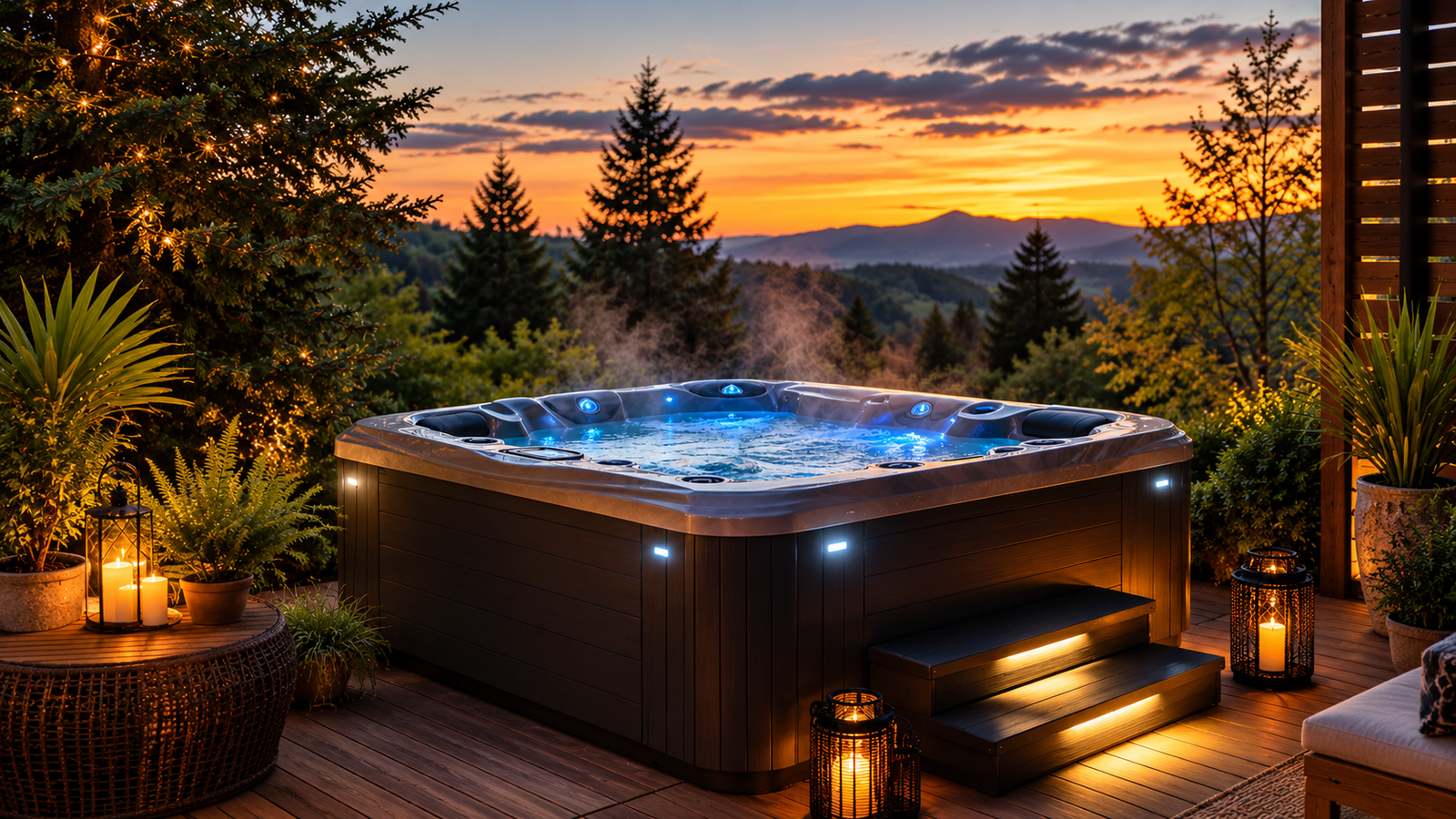
The Science Behind Better Relaxation and Recovery: Hot Tub Wellness Benefits
There’s something appealing about stepping into warm water at the end of a busy day. It gives you a place to slow down, enjoy a comfortable massage, and spend a little time away from the demands of work and home.
For some people, soaking may temporarily ease muscle tension or stiffness. Research on warm baths and other forms of heat therapy also suggests potential benefits for sleep and certain measures of cardiovascular health. But those findings don’t mean that every hot tub delivers the same results—or that soaking replaces exercise, medical care, or treatment.
The details matter: who was studied, the water temperature, the length of exposure, and whether the research involved passive soaking or supervised exercise in water.
In this report, we’ll explore what a hot tub may contribute to your well-being, where the evidence has limits, and what to consider before making soaking part of your routine.
🎯 What You’ll Know After Reading This Report
How warm water may help you relax and temporarily ease tension or stiffness
Why research on baths, aquatic exercise, and heat therapy doesn’t always apply directly to hot tubs
What studies suggest about sleep and cardiovascular responses—and what remains uncertain
How soaking can create time to unwind or connect with others
What to consider about temperature, health conditions, and safe use
How to decide whether a hot tub fits your routine and ownership budget
💪 Muscle Comfort, Joint Stiffness, and Movement
Warm water can feel soothing when your muscles are tense or your joints feel stiff. Some people find that soaking provides temporary comfort and makes gentle movement feel easier.
That can be a welcome part of your day, but feeling better after a soak doesn’t necessarily mean an injury has healed or your muscles have recovered faster.
What Warmth and Buoyancy Can Do
Warmth may help you relax, while buoyancy supports part of your body weight and reduces loading on submerged joints. How much support you get depends on how deeply you’re immersed and your position in the water.
There isn’t one percentage of weight relief that applies to everyone sitting in a hot tub. Seat depth and body position also affect whether you feel comfortably supported.
Where Jets Fit In
Jets provide a massage sensation that some people find helpful for temporary tension relief. The experience depends on the stream, pressure, placement, and your preferences.
Stronger pressure isn’t automatically more beneficial. Start with a comfortable setting, avoid directing forceful streams at painful areas, and stop if the massage increases discomfort. Enjoy the massage for comfort rather than expecting it to repair an injury.
Soaking Isn’t the Same as Aquatic Therapy
Research involving supervised exercises in warm water may include stretching, strengthening, and guided movement. Those activities differ from sitting in a backyard hot tub.
Likewise, findings from a particular post-exercise heating protocol don’t establish that every soak reduces soreness or speeds recovery. The temperature, timing, activity, and people studied all matter.
Use Comfort as Your Guide
If you enjoy soaking after a physically demanding day, treat it as a comfort routine rather than a treatment plan. Persistent pain, a new injury, or worsening symptoms deserve medical assessment.
If you have arthritis or another condition affecting movement, ask your healthcare professional whether warm-water soaking is appropriate and how it might fit alongside your existing care.
❤️ Circulation and Cardiovascular Research
Warm-water immersion affects circulation. As your body responds to heat, blood vessels near the skin widen and your heart rate may rise. Blood pressure can also change, which is one reason a soak deserves more consideration if you have a cardiovascular condition.
These responses have led researchers to investigate whether repeated heat exposure could support cardiovascular health. The findings are interesting, but they need context.
What the Research Can Tell Us
Some studies of structured heat therapy have reported improvements in measures such as blood-vessel function or blood pressure. Those findings apply to the participants and protocols studied—not automatically to everyone using a home hot tub.
A 2025 study comparing hot-water immersion with two sauna methods examined responses to a single session in young, healthy adults. It helps explain how the body responds to different forms of heat, but it doesn’t establish that owning a hot tub prevents heart disease.
A Soak Doesn’t Replace Exercise
You may see heat exposure described as “passive exercise.” Although soaking can raise your heart rate, that doesn’t make it equivalent to walking, cycling, or strength training.
Exercise provides benefits that sitting in warm water doesn’t reproduce. Enjoy a hot tub as part of your routine without counting it as a substitute for physical activity or prescribed treatment.
Consider Your Own Health
A change in blood pressure isn’t necessarily beneficial for every person. Heat can contribute to lightheadedness, particularly when standing up or leaving the water.
If you have heart disease, blood-pressure problems, a history of fainting, or take medication that affects blood pressure or heat tolerance, ask your healthcare professional whether hot tub use is appropriate.
Keep the focus on comfortable, appropriate use—not trying to recreate a research protocol or push your heart rate higher.
🛌 Warm Water and Better Sleep
A quiet soak may help you wind down before bed, especially if it gives you a break from screens and a busy evening. Research on warm baths and showers also suggests that warming the body before bedtime can help some people fall asleep sooner.
That’s encouraging, but it isn’t a guarantee that a hot tub will improve your sleep or treat insomnia.
What the Research Studied
A 2019 systematic review examined warm baths and showers before bed. It found benefits for some measures of sleep, including a shorter time to fall asleep when bathing took place about one to two hours before bedtime.
Those findings don’t establish that hot tub jets improve sleep or that everyone will experience deeper sleep and fewer awakenings. The research involved different bathing routines, rather than one standard backyard hot tub session.
Timing and Comfort Matter
Warming the skin can help the body release heat afterward, supporting the temperature changes associated with preparing for sleep.
If soaking is appropriate for you, allow time afterward to cool down comfortably and continue your usual bedtime routine. Don’t assume hotter water or a longer session will produce better results.
Research temperatures used for baths or showers should not be copied as hot tub settings. Follow hot tub safety guidance and any individual advice from your healthcare professional.
Make It Part of a Wind-Down Routine
You might enjoy a brief soak followed by quiet reading or another relaxing activity. A consistent bedtime and a comfortable sleeping environment still matter.
If soaking leaves you overheated, alert, or uncomfortable, adjust the routine or choose another way to unwind. Persistent sleep problems deserve medical advice rather than relying on a hot tub to resolve them.
⏳Taking Time to Relax
For many owners, the appeal of a hot tub is simple: it creates a reason to stop for a while. You step away from work, put down your phone, and give yourself time without another task to finish.
Warm water and a comfortable massage may help you feel less tense. Just as importantly, the setting gives you space to unwind.
Keep the Experience Comfortable
Relaxation doesn’t require the strongest jets or the hottest water. Try a gentler massage, switch off features you find distracting, or enjoy a quiet soak without the jets.
Pay attention to what feels restful to you. Someone else’s ideal combination of lights, music, and bubbles may be more stimulation than you want at the end of the day.
Give Yourself a Break From Distractions
Leaving your phone safely away from the water can make the time feel different from sitting on the couch and checking messages. You might enjoy quiet conversation, a few moments of mindfulness, or simply noticing your surroundings.
Keep Expectations Realistic
A pleasant soak can provide a break from everyday stress, but it won’t remove the pressures causing it. Treat hot tub time as one option alongside other routines that help you recharge, such as walking, spending time with friends, or getting adequate rest.
If stress is persistent or interfering with daily life, seek appropriate support rather than expecting a relaxation routine to carry the whole load.
😌 Mood and Emotional Well-Being
An enjoyable soak may leave you feeling calmer or more content. Having something pleasant to look forward to—and making time for it—can be a meaningful part of your day.
That experience is personal. Some people enjoy the warmth and massage; others value quiet conversation or a few minutes outdoors.
Make Room for Something You Enjoy
Hot tub time doesn’t need to accomplish a health goal every time you get in. It can simply be an activity you enjoy, whether you’re sharing it with someone or taking a quiet break on your own.
Choose the setting that suits your mood. You might prefer gentle jets, less noise, or a shorter session. There’s no need to turn relaxation into another task to get right.
Keep Mood Benefits in Perspective
Feeling better after a soak is different from showing that hot tubs treat depression, prevent burnout, or improve emotional resilience. Research on specific bathing or heat-therapy programs shouldn’t be presented as proof that ordinary home use produces those outcomes.
A hot tub isn’t a mood stabilizer or a replacement for mental-health care. If low mood, anxiety, or exhaustion persists or affects daily life, seek support from a qualified professional.
For everyday enjoyment, the question is simpler: does soaking fit comfortably into your routine and leave you feeling refreshed? If it does, that can be worthwhile without promising more.
🏡 Time Together Without the Screens
A hot tub can give couples, friends, and family members a comfortable place to catch up without a television or phone competing for attention.
You don’t need to plan a meaningful conversation every time. Talking about your day, sharing a laugh, or enjoying a quiet evening together can be enough.
Choose Seating That Works for Your Group
If spending time together is a main reason for buying, look beyond the advertised seating capacity. Check shoulder room, shared foot space, and whether people can face each other comfortably.
During a wet test, notice whether you can hear each other over the pumps and water. You may prefer a gentler jet setting when you’re talking than when you’re enjoying a massage on your own.
Keep the Routine Flexible
Some households enjoy an occasional weekend soak. Others prefer a quiet evening together during the week. Choose what fits your schedules and the people using the hot tub.
Ask what everyone finds comfortable, too. Music, lighting, and strong jets may appeal to one person while another prefers less activity.
Follow the age and supervision precautions in the safety section below, and leave room for family members who don’t enjoy soaking or can’t use a hot tub. Shared meals, walks, and games are good ways to spend time together as well.
The best routine is one people look forward to—and one that fits comfortably around the upkeep that comes with ownership.
🦺 Make Safe Use Part of Your Routine
Enjoying a hot tub starts with water that’s properly maintained and a temperature and session length that suit you. Hotter water and longer soaks don’t necessarily provide greater benefits.
Treat 104°F as a Maximum
Hot tub water should not exceed 104°F (40°C). That’s an upper limit, not a recommended temperature for every person or every session. A lower setting may feel more comfortable and be more appropriate for your circumstances.
Don’t copy the temperatures or exposure times used in research studies. Those protocols may involve screening, supervision, and conditions that differ from home use.
Know When to Ask for Medical Advice
If you’re pregnant, speak with your healthcare professional before using a hot tub. Also seek individual advice if you have heart disease, blood-pressure problems, a history of fainting, or another condition that affects your response to heat.
Some medications can affect alertness, blood pressure, sweating, or temperature regulation. Ask your prescriber or pharmacist whether your medication calls for precautions.
Pay Attention to How You Feel
Keep sessions comfortable, take breaks, and drink water. Avoid alcohol before and during hot tub use.
Get out carefully if you feel overheated, dizzy, nauseated, unusually weak, or unwell. Stand slowly and use secure steps or handrails. Don’t try to push through discomfort to reach a particular soaking time.
Supervise Children Closely
Children younger than five should not use hot tubs. Older children need close, attentive adult supervision and appropriate limits on heat exposure.
Keep the cover secured when the hot tub isn’t in use, and follow the manufacturer’s safety instructions. A cover does not replace supervision.
Check the Water Before Soaking
Follow your water-care system’s testing and maintenance instructions, including regular sanitizer and pH checks. Clear-looking water alone doesn’t confirm that it’s ready to use.
Stay out if the water is cloudy, sanitizer or pH is outside the recommended range, or an equipment warning needs attention. Don’t use the hot tub while ill with diarrhea.
A comfortable routine should leave you feeling well during and after the soak. Adjust it to your needs rather than treating any temperature or duration as a goal.
🧠 Final Thoughts
A hot tub can be a welcome place to relax, enjoy a comfortable massage, and spend time with people you care about. Some owners also find that warm-water soaking temporarily eases tension or fits well into an evening wind-down routine.
Research offers promising findings about certain forms of warm-water bathing and heat exposure, but it doesn’t guarantee the same benefits from every home hot tub. Soaking should complement appropriate care and healthy habits, with individual health needs guiding whether and how you use it.
If you’re considering buying, think about how often you’ll enjoy it, whether the seats feel comfortable, and whether maintenance and ownership costs fit your life. Regular enjoyment is a worthwhile reason to own a hot tub without expecting it to deliver medical results.
💬 Choose for Comfort and Everyday Enjoyment
Our Hot Tub Buying Guide helps you compare seating, massage features, water care, installation, and dealer support—so you can find a hot tub that suits both your routine and your budget.
Looking for Another Hot Tub Answer?
Search The Hot Tub Report for more water care, troubleshooting, and buying advice.
Trusted Links & References
These sources provide context for the research and safety guidance discussed in this report. Studies of warm baths, showers, and controlled heat exposure should not be treated as proof that every home hot tub produces the same results.
For questions about your health conditions, medications, or suitability for heat exposure, speak with your healthcare professional.
A Little More Hot Tub Know-How, Delivered
Get practical water care tips, maintenance advice, and helpful reports delivered right to your inbox. It’s free, and it’s all about making hot tub ownership a little easier.
HOT TUB CONCIERGE SERVICE
Need a Little More Help?
Sometimes a little one-on-one guidance makes all the difference.
Whether you’re shopping for a hot tub, troubleshooting a water problem, or just looking for some expert advice, I’m here to help.
Get personalized guidance during a 30-minute Hot Tub Concierge consultation.
Recommended Reads From The Hot Tub Report
Looking for more helpful advice? Explore these related reports for additional hot tub tips, practical guidance, and answers to common ownership questions.
💬 Join the Conversation!
Have a question, a helpful tip, or a hot tub experience to share? Drop a comment below! We’re here to help each other enjoy better hot tub ownership.
Please keep comments friendly, helpful, and on topic.