Buying a Hot Tub: A Clear, Honest Guide
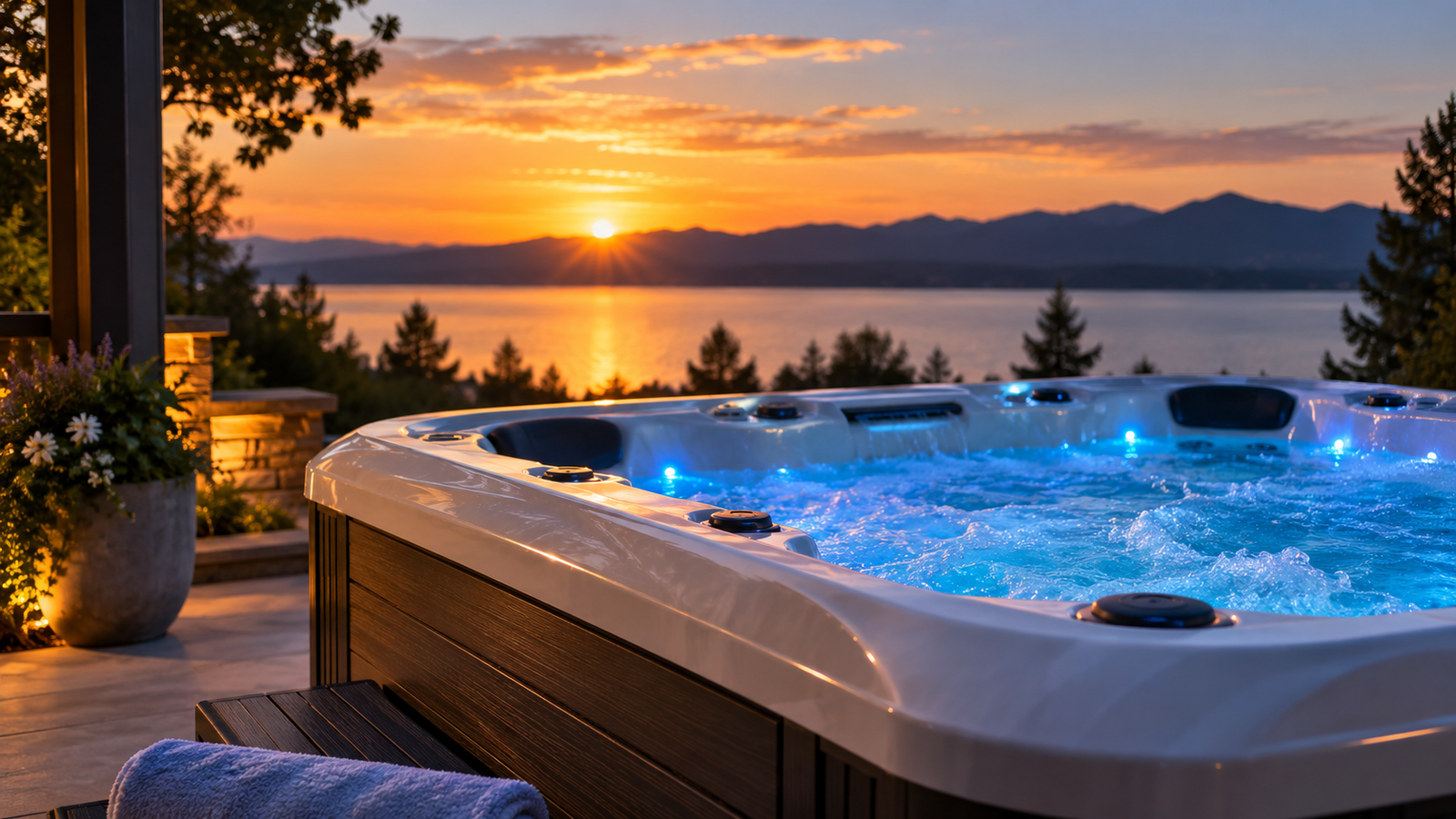
A Practical Guide For Buying a Hot Tub
Buying a hot tub should be exciting. But for many first-time buyers, the process quickly becomes confusing.
Every manufacturer seems to describe construction, insulation, jets, water care, and warranties differently. One dealer may tell you horsepower matters most. Another focuses on jet count. Someone else insists their insulation, sanitation system, or shell construction is the only sensible choice.
The truth is a lot simpler:
There is no single best hot tub for everyone.
The right hot tub is the one that fits your household, your body, your property, your priorities, and your long-term budget. Just as importantly, it should be supported by a dealer you can count on after the sale.
This guide will help you look beyond showroom lighting and sales language, ask better questions, compare hot tubs more fairly, and avoid the mistakes that can turn an exciting purchase into a frustrating one.
📘 What You’ll Learn in This Report
How to choose the right hot tub size and seating layout
Why footwell space matters more than many buyers realize
- How to match jets and seats to the therapy you want
- What to consider when choosing a location and preparing the site
- The differences between 120-volt and 240-volt hot tubs
- How to compare construction, insulation, features, and water-care systems
- What affects the real cost of owning and operating a hot tub
- How to research manufacturers, dealers, reviews, and warranties
- What should be included in a complete hot tub quote
- What to confirm before signing a purchase agreement
📍 Jump to a Section.
- Part 1: Before You Shop
- Part 2: Finding the Right Hot Tub
- Part 3: Understanding What You’re Buying
- Part 4: Choosing a Brand and Dealer
- Part 5: Before You Sign
🏡 Part 1: Before You Shop
Before you start comparing models, decide what you’re comfortable spending on the complete project. The hot tub’s price is only part of it—you may also need foundation work, electrical installation, delivery, steps, and a cover lifter. Leaving room for those costs helps you build a realistic shortlist and avoids finding the right hot tub only to discover that getting it installed puts it outside your budget. We’ll break down the complete installed price later in this guide.
🎯 1. Begin With Why You Want a Hot Tub
Before comparing brands, models, prices, or jet counts, decide what you want your hot tub to do for you.
Are you looking for:
- Relaxation at the end of the day?
- Hydrotherapy or muscle recovery.
- Relief for everyday aches and stiffness?
- More time with your family?
- A place to entertain?
- A better evening routine?
- More time outdoors?
Your reason for buying should guide nearly every decision that follows.
A couple focused primarily on therapy may prefer a smaller hot tub with highly targeted massage seats. A family may need an open seating design, larger footwell, and seats at several depths. Someone who likes entertaining may value capacity and easy movement more than an aggressive massage.
❓ Ask Yourself
- Who will use the hot tub regularly?
- How many people will typically use it?
- Is relaxation, therapy, family time, or entertaining the priority?
- Which areas of the body need the most attention?
- Do any regular users have mobility limitations?
- Will children or grandchildren use it?
- Do you prefer a quiet soak or powerful massage?
- Will you use it year-round?
Clear answers make it much easier to recognize the right hot tub when you find it.
📍 2. Choose a Location You Will Actually Use
Where you put your hot tub affects how often you use it, installation costs, maintenance, privacy, and future service.
That secluded corner of the yard may look perfect in July. In January, a long walk through snow and wind can make it much less appealing.
For many homeowners, placing the hot tub reasonably close to a frequently used door encourages more regular use.
Consider:
- Convenience to the house
- Privacy
- Wind, sun, rain, and snow exposure
- Views from the hot tub and house
- Outdoor lighting and safe nighttime access
- Drainage
- Access to a garden hose
- Distance from the electrical panel
Space for steps and a handrail - Cover-opening direction
- Cover-lifter clearance
Equipment-compartment access - Local permit, setback, barrier, and electrical requirements
🔧 Don’t Overlook Service Access
Think about maintenance as well as appearance.
Filters need to be removed, water must be drained periodically, and a technician may eventually need access to the equipment or other areas of the hot tub.
Avoid positioning your hot tub so tightly against walls, railings, decks, or landscaping that routine service becomes difficult or expensive.
🧱 3. Make Sure the Surface Can Support the Weight
A filled hot tub is heavy.
Once you combine the hot tub, equipment, hundreds of gallons of water, and several people, the total load can reach several thousand pounds.
Your hot tub needs a flat, level, stable surface capable of supporting its full operating weight without shifting or settling.
Common options include:
- A properly designed reinforced concrete pad
- Professionally installed pavers over an appropriate compacted base
- An engineered modular hot tub pad approved for the application
- A deck evaluated and approved for the load by a qualified professional
- Do not assume an existing patio or deck is automatically suitable.
- An inadequate or uneven foundation can affect cabinet alignment, water level, cover fit, and potentially warranty coverage.
Before preparing the site, obtain the foundation requirements for the exact hot tub you are purchasing.
🚚 4. Measure the Entire Delivery Route
Finding enough room for the hot tub is only half the job. The delivery crew also needs to get it safely from the truck to the installation site.
Walk the complete route and check for:
- Narrow gates and walkways
- Tight turns
- Steps and slopes
- Roof overhangs and gutters
- Air-conditioning units
- Gas and electric meters
- Fences and railings
- Trees and retaining walls
- Overhead wires and branches
- Soft ground that may not support delivery equipment
Hot tubs are commonly transported on their side.
That means the hot tub’s normal height may become the width needed to pass through a gate or walkway.
Packaging, delivery carts, and protective materials can require additional clearance.
💡 John’s Buying Tip
Send your dealer photographs and measurements of the delivery route before delivery day.
A difficult delivery may require additional crew members, specialized equipment, temporary fence removal, or even a crane. Identifying those requirements early prevents expensive surprises.
🛁 Part 2: Finding the Right Hot Tub
📏 5. Choose the Right Size for Everyday Use
Buy for the people who will use the hot tub regularly—not the largest gathering you might host once a year.
A larger hot tub provides more seating but can cost more to purchase, fill, heat, and maintain. A smaller hot tub may be more efficient and intimate but could become crowded if friends or family regularly join you.
Consider:
- Number of regular users
- Occasional guests
- Height and build of regular users
- Available patio or deck space
- Water capacity
- Operating and maintenance costs
- Actual comfort when occupied
⚠️ Don’t Trust Capacity Numbers Alone
A hot tub advertised for six people may have six designated seats without comfortably accommodating six adults.
Seat size, footwell space, filters, steps, and other interior features all affect usable room.
Whenever possible, have the regular users sit in the empty hot tub together. It may feel unusual in the showroom, but it can reveal crowding problems before you buy.
 6. Pay Close Attention to Footwell Space
 6. Pay Close Attention to Footwell Space
The footwell is one of the most overlooked parts of buying a hot tub.
A hot tub can look enormous from the outside and still feel cramped once several people are seated.
Look at:
- Footwell width and depth
- Legroom for taller users
- Raised foot jets or domes
- Molded interior steps
- Filter housings that intrude into the seating area
- Ease of moving between seats
- Whether knees and feet will collide
Exterior dimensions don’t tell the whole story. Compare usable interior space.
💺 7. Select a Seating Layout That Fits Your Household
The two broad choices are open seating and lounge seating. Neither is automatically better.
Open Seating
Open seating generally provides greater flexibility and makes it easier for people to face one another.
It can offer:
- Greater practical seating capacity
- More flexibility for different body sizes
- Easier movement between therapy seats
- More central footwell space
This layout often works well for families and people who entertain.
Lounge Seating
A lounge supports your legs and can provide therapy for the calves and feet. Many people love the feeling of reclining in the water.
However, a lounge occupies significant interior space and needs to fit your body correctly.
If it’s too long, short, shallow, or buoyant for you, you may float away from the seat instead of staying comfortably against the jets.
Also Consider
- Deep therapy seats
- Shallower cool-down seats
- Neck and shoulder seats
- Seats designed for different heights
- Easy entry and exit
- Interior steps and handholds
- Accessibility for users with limited mobility
The best layout is the one that fits the people who will actually use the hot tub.
💦 8. Match the Massage to the Therapy You Want
Jet count is one of the easiest specifications to advertise—and one of the easiest for buyers to misinterpret. More jets do not automatically mean a better massage.
Massage quality depends on the relationship between:
- Jet placement
- Jet type and size
Water flow - Pump performance
- Plumbing design
- Seat shape and depth
- Jet adjustability
- Air controls
- Water-diverter controls
Identify the areas you want to target: neck, shoulders, upper back, lower back, hips, legs, calves, or feet.
Then sit in the relevant seats and see where the jets actually contact your body.
💡 Ask a Better Question
Instead of asking:
“How many jets does it have?”
Ask:
“How well are those jets powered, positioned, and controlled?”
🏊 9. Take a Wet Test Whenever Possible
A wet test is the best way to evaluate a hot tub.
Specifications and showroom appearances cannot tell you how a seat will feel once buoyancy and moving water enter the equation.
During a wet test, evaluate:
- Whether you remain comfortably seated
- Whether you float out of a lounge
- Where the jets contact your body
- Pressure adjustment from gentle to strong
- Performance when multiple seats are operating
- Pump and water noise
- Footwell and legroom
- Comfort with more than one person
- Ease of moving between seats
- Entry and exit
Control-panel operation
Don’t simply sit there with every jet running at maximum power. Use the hot tub the way you expect to use it at home.
If a wet test isn’t available, at least perform a dry test by sitting in the empty hot tub.
⚙️ Part 3: Understanding What You’re Buying
⚡ 10. Understand the Electrical Requirements
Hot tubs are generally configured for either 120-volt or 240-volt service, although requirements vary by model.
🔌 120-Volt Plug-and-Play Hot Tubs
A 120-volt hot tub can provide a simpler installation and lower initial electrical cost.
The tradeoff is available power.
Depending on the model, the heater may not operate while the primary pump is running on high speed. Heating and temperature recovery may also be slower, particularly in cold climates.
Before purchasing, determine whether the model requires a dedicated 15-amp or 20-amp circuit.
Don’t assume your existing receptacle is suitable.
⚡ 240-Volt Hot Tubs
A 240-volt hot tub typically supports more powerful equipment and stronger heating performance.
It is often better suited to larger hot tubs, frequent use, and year-round operation in colder climates.
Installation normally requires a dedicated circuit, correctly sized wiring, GFCI protection, an approved disconnect, and installation by a qualified electrician.
✅ Verify Before Buying
- Required voltage and amperage
- Breaker and disconnect requirements
- Electrical-panel capacity
- Proposed wire route
- Equipment-compartment location
- Estimated electrical cost
- Who performs the final connection
- Whether electrical work is included in the quote
Always follow the electrical requirements for the exact model you purchase, not generic hot tub recommendations.
🔍 11. Look Beneath the Attractive Exterior
Most hot tubs look good under showroom lights. What is underneath the shell has a much greater impact on long-term ownership.
Ask the dealer to explain:
- Shell construction
- Frame material
- Cabinet construction and removal
- Base or bottom-pan protection
- Insulation
- Pumps, heater, and controls
- Equipment access
- Parts availability
- Ease of diagnosing and repairing problems
There is no single construction method that wins every comparison.
Look for a dealer who can clearly explain the advantages, limitations, and service implications of the design rather than simply claiming their construction is best.
💵 12. Understand Energy Efficiency and Operating Costs
The purchase price is only one part of hot tub ownership.
Ongoing expenses can include:
- Electricity
- Water
- Sanitizer and balancing products
- Filters
- Water-care cartridges
- Salt-system components
- Ozone-system maintenance
- Service
- Replacement covers
Actual energy consumption depends on climate, water temperature, hot tub size, insulation, cover condition, filtration settings, usage habits, electricity rates, and equipment efficiency.
🛡️ Don’t Forget the Cover
A well-fitting, insulated cover is an important part of energy efficiency.
Even a well-insulated hot tub can waste energy if its cover becomes damaged, waterlogged, or poorly sealed.
🧪 13. Choose a Water-Care System You Will Maintain
Every hot tub needs sanitation, testing, circulation, filtration, and regular maintenance. The differences are in how the system handles those jobs and how much work remains for you.
Before comparing systems, understand what each one actually does.
Sanitizers and Delivery Systems
Chlorine and bromine are common hot tub sanitizers. They maintain a sanitizer residual—the amount remaining in the water to help control microorganisms between treatments.
Depending on the hot tub and its approved products, you might add sanitizer manually or use a feeder or cartridge to supply it gradually.
A saltwater chlorine system generates chlorine from dissolved salt. It changes how the chlorine gets into the water; it doesn’t make the hot tub chlorine-free.
Supplemental Water-Care Technology
Ozone and ultraviolet systems provide additional treatment as water passes through the equipment. They don’t maintain a lasting sanitizer residual throughout the hot tub, so they don’t eliminate the need to follow the system’s sanitizer requirements.
Mineral-assisted systems also have specific instructions. Some complete systems allow lower chlorine or bromine levels, but those directions apply to that particular combination of products—not to every hot tub with a mineral cartridge.
The useful question is: What does this system handle, and what will I still need to do?
Look Beyond the Startup Package
Some systems reduce measuring and manual dosing, but they may require replacement cartridges, cells, lamps, or other components.
Ask what those supplies cost, how often they typically need replacing, and whether you can obtain them easily. A convenient routine can be worth paying for, provided you understand the ongoing expense.
❓ Ask the Dealer
Which sanitizer does this system use?
What should I do before or after a soak?
What needs attention each week?
How often should I test, and which test supplies do I need?
Which consumables and equipment components need replacing?
What do replacements cost?
How often should I drain and refill?
What should I do if the system stops working?
Who will show me how to manage the water after delivery?
The best choice is a routine you understand and can maintain consistently. Ask the dealer to walk you through an ordinary week of ownership. That will tell you more than a promise of “easy water care.”
✨ 14. Separate Valuable Features From Expensive Extras
Features can improve comfort and convenience, but they can also increase the purchase price and introduce additional components that may eventually require service.
Popular options include:
- Dedicated circulation pumps
- Interior and exterior lighting
- Waterfalls and water features
- Touchscreen controls
- Mobile apps and remote monitoring
- Audio systems
- Automatic or assisted water-care technology
For every optional feature, ask:
Will I actually use this?
Then consider:
- Does it improve therapy, comfort, safety, or convenience?
- Does it require additional maintenance?
- What does it cost to repair or replace?
- How long is it covered by warranty?
- Can the hot tub operate normally if it fails?
Spend your money on features that make a meaningful difference to how you will use the hot tub.
🔎 Part 4: Choosing a Brand and Dealer
🏷️ 15. Research Hot Tub Brands Fairly
There is no shortage of “best hot tub brand” lists online.
Unfortunately, rankings may be influenced by affiliate relationships, limited experience, incomplete comparisons, or information repeated directly from manufacturers.
Instead of relying on a ranking, investigate:
- Manufacturer history
- Construction and quality control
- Model and seating choices
- Therapy performance
- Energy efficiency
- Reliability
- Parts availability
- Warranty coverage
Manufacturer support - Local dealer and service availability
- Expected ownership costs
Compare hot tubs within similar price and quality categories.
An entry-level hot tub from one manufacturer shouldn’t be compared with a premium model from another as though they are equivalent products.
⭐ What About Reviews?
Customer reviews are useful, but look for patterns, not isolated praise or complaints.
The ownership experience is affected by the manufacturer, local dealer, delivery, installation, maintenance, water care, and the owner’s expectations.
🤝 16. Research the Dealer as Carefully as the Brand
A hot tub isn’t a product you simply take home and forget about.
You may eventually need assistance with delivery, startup, water care, replacement parts, maintenance, or warranty service. That makes the dealer an important part of your purchase.
Look for:
- Experience with the products being sold
- An established local presence
- Clear pricing
- Trained service technicians
- Parts availability
- Professional delivery
- Water-care support
- Owner education
- Responsiveness after the sale
- Strong local reviews
❓ Ask Direct Questions
- Who performs warranty service?
- Are technicians employees or outside contractors?
- What is the typical service-response time?
- Are travel or diagnostic charges added during warranty service?
- Do you stock common parts?
- What owner orientation is included?
- Who helps with water-care questions?
- What happens if the manufacturer doesn’t approve a warranty claim?
A slightly lower purchase price isn’t necessarily a bargain if knowledgeable local support isn’t available.
📋 17. Find Out Exactly What Is Included
Never assume everything displayed with a hot tub is included in the advertised price.
Request a written, itemized quote showing whether it includes:
- Hot tub and factory options
- Insulated cover
- Cover lifter
- Steps
- Local delivery
- Placement at the prepared site
- Startup chemicals
- Filters or cartridges
- Owner orientation
- Packaging removal
- Old hot tub removal
- Electrical work
- Foundation preparation
- Crane or special delivery service
- Accessories
- Sales tax
Also ask whether promotional accessories can be substituted, credited, or removed if you choose a different configuration.
Clear written pricing makes competing offers much easier to compare.
🛡️ 18. Read the Entire Warranty
A headline such as “10-Year Warranty” rarely tells you everything you need to know.
Different components may have different coverage periods, exclusions, and service terms.
Review coverage for:
- Shell structure and surface
- Plumbing
- Pumps and heater
- Controls and electronics
- Cabinet
- Lighting
- Accessories
- Cover
- Labor
- Travel and mileage
- Also determine:
- Whether coverage is full or prorated
- What is excluded
- Required maintenance and water-chemistry standards
- Whether the warranty is transferable
- Whether registration is required
- Whether service-call, diagnostic, travel, or mileage fees apply
- Who approves repairs
- Who performs the work
- Whether labor and parts have the same coverage period
A longer warranty isn’t automatically a better warranty.
Coverage is valuable only when the terms are reasonable and qualified service is available.
✅ Part 5: Before You Sign
💰 19. Calculate the Complete Installed Price
The real cost of buying a hot tub includes everything required to put it into service—not just the hot tub.
Your budget may need to include:
- Hot tub and factory options
- Sales tax
- Delivery
- Concrete, pavers, hot tub pad, or deck reinforcement
- Electrical installation
- Permits
- Crane or special handling
- Steps
- Cover lifter
- Handrails or accessibility accessories
- Privacy screening or landscaping
- Old-hot tub removal
- Initial water-care products
💳 If You’re Financing
Compare:
- Cash price
- Promotional price
- Down payment
- Interest rate
- Loan term
- Deferred-interest conditions
- Monthly payment
- Total amount paid
A manageable monthly payment doesn’t automatically make the purchase a good value.
Ask for the complete installed cost in writing before making your decision.
⚠️ 20. Avoid These Common First-Time Buyer Mistakes
Even after you’ve found a hot tub you like, a few assumptions can turn a promising purchase into a frustrating experience.
Letting a Promotion Rush Your Decision
A sale can be worth taking advantage of, but it shouldn’t stop you from checking the fit, installation costs, or warranty. Ask for the offer and its expiration date in writing so you know exactly what you’re considering.
A good dealer should be willing to answer your questions before asking for a commitment.
Assuming the Displayed Package Is Included
The steps, cover lifter, upgraded controls, or water-care system you saw in the showroom may not be part of the quoted price. Make sure the written quote identifies the exact model, equipment package, accessories, and delivery services you’re buying.
“Just like the one on the floor” leaves too much room for misunderstanding.
Leaving Service Questions Until Something Breaks
Find out who will service the hot tub at your address, whether they handle warranty repairs, and what travel or diagnostic charges may apply. This matters especially when buying outside your local area or from a temporary sales event.
Knowing where to call is helpful. Knowing that someone can actually come out is better.
Mistaking Automated Water Care for No Water Care
A feeder, cartridge, or salt system may reduce manual dosing, but you’ll still have testing and maintenance responsibilities. Ask the dealer to walk you through a typical week and explain which supplies you’ll need to replace.
That simple conversation can tell you whether the routine fits your expectations.
Leaving Verbal Promises Out of the Agreement
If a delivery arrangement, accessory, repair, or other commitment matters to your decision, have it included in writing. Confirm the deposit, cancellation, refund, and delivery terms before signing.
A clear agreement gives you and the dealer the same understanding of what happens next.
✅ 21. Final Hot Tub Buyer’s Checklist
Before signing a purchase agreement, make sure you can check off each of these items.
🛁 The Hot Tub
☐ The hot tub supports my primary reason for buying.
☐ The regular users fit comfortably.
☐ The seating layout works for my household.
☐ The footwell provides enough usable room.
☐ The jets target the areas that matter to me.
☐ I’ve completed a wet test or, at minimum, a dry test.
🏡 The Installation
☐ The location is convenient, private, and serviceable.
☐ The foundation can support the filled hot tub.
☐ The delivery route has been measured and reviewed.
☐ Electrical requirements are confirmed.
☐ Electrical and site-preparation costs are known.
🧪 Ownership
☐ I understand expected energy and maintenance costs.
☐ The water-care routine is realistic for me.
☐ Construction and insulation have been clearly explained.
☐ The features I’ve selected provide value I’ll actually use.
🤝 Brand and Dealer
☐ I’ve researched reliability, parts availability, warranty coverage, and manufacturer support.
☐ The dealer has dependable local service.
☐ I know who will perform warranty repairs.
☐ I understand what support is available after the sale.
💵 Price and Warranty
☐ Every included product and service is listed in writing.
☐ I’ve read the complete warranty.
☐ The full installed price is documented.
☐ Delivery, cancellation, deposit, and refund policies are clear.
🧠 Final Thoughts: Buy the Hot Tub That Fits Your Life
The right hot tub isn’t necessarily the one with the most jets, longest feature list, or lowest advertised price.
It’s the one that fits your household, feels comfortable, provides the experience or therapy you want, works in your available space, and remains manageable within your long-term budget.
It should also come with a water-care routine you understand and support from a dealer you trust.
Take your time.
A careful decision today can lead to years of easier, more enjoyable hot tub ownership.
This is where better hot tubbing begins.
🔎 Take a Closer Look at Your Options
Now that you know what to look for, it’s time to narrow down your shortlist. Choose a few hot tubs that fit your space and budget, then compare the seating, massage, water-care routine, and dealer support.
Explore our Hot Tub Buying Guides for closer looks at brands, features, and the details worth understanding before you visit the showroom.
Looking for Another Hot Tub Answer?
Search The Hot Tub Report for more water care, troubleshooting, and buying advice.
Trusted Links & References
A Little More Hot Tub Know-How, Delivered
Get practical water care tips, maintenance advice, and helpful reports delivered right to your inbox. It’s free, and it’s all about making hot tub ownership a little easier.
HOT TUB CONCIERGE SERVICE
Need a Little More Help?
Sometimes a little one-on-one guidance makes all the difference.
Whether you’re shopping for a hot tub, troubleshooting a water problem, or just looking for some expert advice, I’m here to help.
Get personalized guidance during a 30-minute Hot Tub Concierge consultation.
Recommended Reads From The Hot Tub Report
Looking for more helpful advice? Explore these related reports for additional hot tub tips, practical guidance, and answers to common ownership questions.
💬 Join the Conversation!
Have a question, a helpful tip, or a hot tub experience to share? Drop a comment below! We’re here to help each other enjoy better hot tub ownership.
Please keep comments friendly, helpful, and on topic.