Hot Tub pH: How to Test, Raise & Lower It
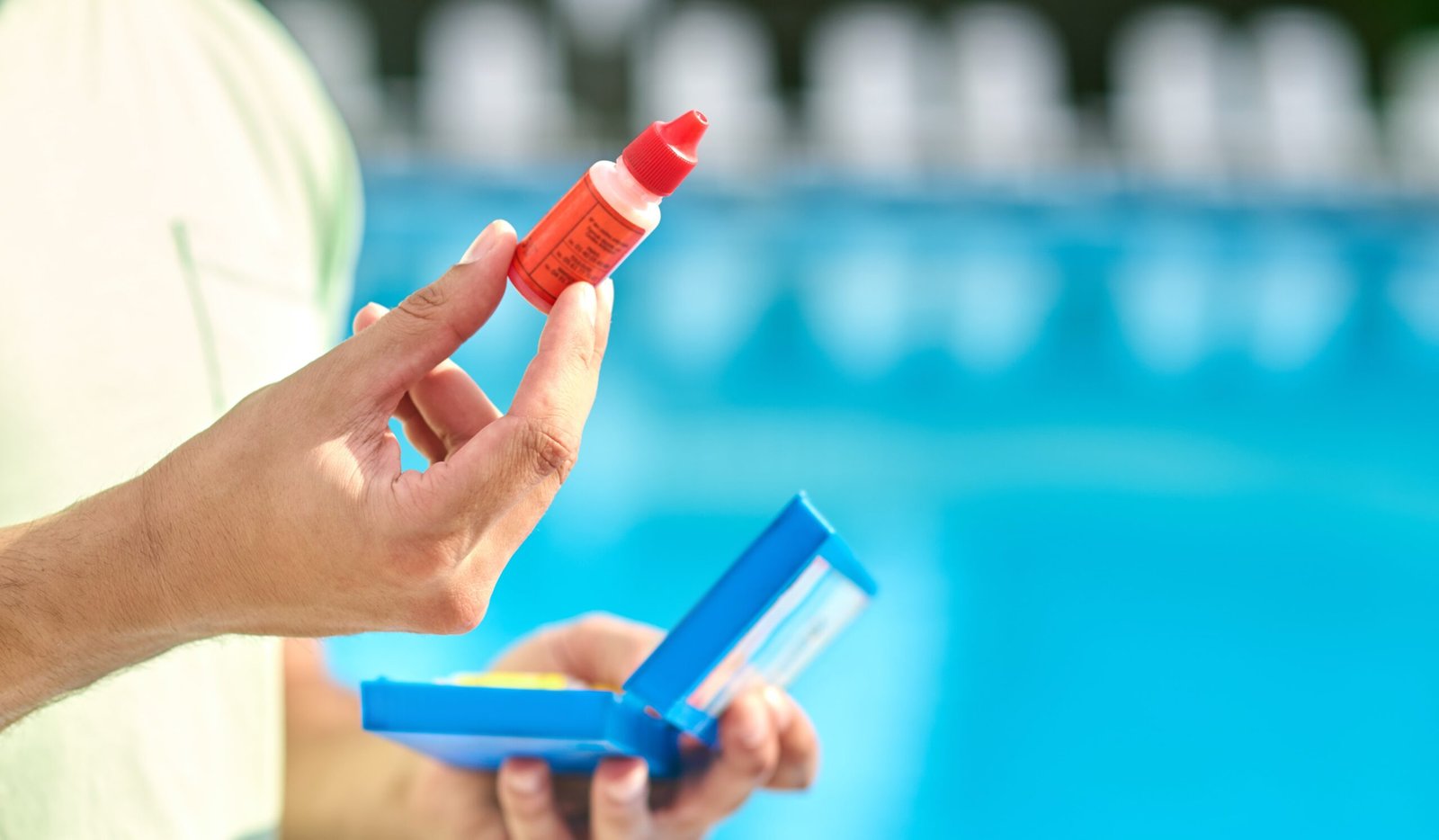
Hot Tub pH Problems: How To Maintain Balanced Water
Struggling with hot tub pH problems? Learn the ideal pH range, what causes high or low pH, how pH affects chlorine, and the safest ways to correct unbalanced water.
You test your hot tub water, adjust the pH, and think you have everything settled. Then you test again—and it has moved. If that sounds familiar, you’re in good company. Keeping pH balanced is one of the most common frustrations hot tub owners bring to me.
The challenge is understanding what’s moving that reading. Your fill water, alkalinity, water-care products, and even the air running through your jets can influence pH. Once you understand those connections, the adjustments start to make more sense.
Keeping pH within your hot tub’s recommended range helps maintain comfortable water and protect your equipment. It also belongs alongside sanitizer testing and the rest of your water-care routine.
In this report, we’ll cover how to test pH, what causes it to rise or fall, and how to make measured adjustments—so you can spend less time reaching for another bottle and more time enjoying your hot tub.
💧 What You’ll Learn in This Report
- What pH measures and how it differs from total alkalinity.
- The recommended pH range and why your water-care system’s instructions matter.
- How high or low pH can affect water comfort, equipment, and sanitizer performance.
- How to test accurately and confirm an unexpected reading.
- What causes pH to rise, fall, or keep drifting after an adjustment.
- How to raise or lower pH with measured doses and proper retesting.
- The difference between baking soda and soda ash—and when each is useful.
- What to do when your pH and alkalinity readings seem to work against each other.
⚖️ pH vs. Alkalinity: How They Work Together
pH and total alkalinity appear next to each other on many test strips, and they’re closely connected. Understanding what each reading tells you makes adjusting your water much easier.
pH measures how acidic or alkaline the water is. It tells you where the water stands at the time you test it.
Total alkalinity measures the water’s ability to resist changes in pH. In hot tub water, that buffering comes mainly from bicarbonates and carbonates.
Think of pH as your current speed and alkalinity as the resistance to changing it. With very little buffering, a small chemical addition can move pH considerably. With more buffering, it generally takes more product to make the same adjustment.
Why the relationship matters
When alkalinity is too low, pH can be harder to keep steady. When alkalinity is high, lowering pH can take more acid, and aeration from jets and air controls can encourage pH to rise.
An acceptable alkalinity reading gives you a useful starting point, but pH still needs its own test. Running the jets, adding water, and using water-care products can continue to affect it.
Which should you adjust first?
For a routine water balance adjustment, start by testing both. If alkalinity is outside the range recommended for your hot tub and water-care system, address it first, following the product instructions. Then circulate the water and retest both readings before deciding what to add next.
Products can affect both readings: acid lowers pH and alkalinity, while pH increaser can raise both. Small, measured adjustments help you avoid correcting one reading only to push the other too far.
🛁 Why pH Matters in Your Hot Tub
Keeping pH within the recommended range helps protect both the people enjoying the water and the equipment working underneath it.
Water comfort
Out-of-range pH can contribute to eye and skin irritation. Comfortable-looking, clear water still needs testing—you can’t judge pH by appearance or how the water feels.
Equipment protection
Low pH can make water more corrosive to metal components, including heater parts. High pH can encourage calcium scale, especially when calcium hardness and alkalinity are also elevated. That buildup can collect on surfaces and equipment, making maintenance more difficult.
Sanitizer performance
pH is part of the conditions your sanitizer needs to work as intended. Its effect depends on the sanitizer and the rest of the water chemistry, so keep pH and sanitizer within the ranges specified for your system.
Water clarity
High pH can contribute to cloudiness when calcium comes out of solution. Bringing the water back into balance addresses that cause more effectively than repeatedly adding a clarifier.
A good pH reading is one part of balanced water. Keep testing sanitizer, alkalinity, and calcium hardness as well so you have the full picture.
⛔️ Is It Safe to Soak With High or Low pH?
Wait until pH is back within the range recommended for your hot tub and water-care system before soaking. Check that sanitizer is within its required range as well.
Out-of-range pH can contribute to skin and eye irritation and create conditions that are harder on your equipment. An acceptable sanitizer reading doesn’t cancel out a pH problem.
If the reading looks unusually high or low
Confirm the result before adding chemicals. Follow your test instructions, check that the supplies are in good condition, and repeat the test if the color is unclear. A reading at the end of the test’s scale may mean the actual pH is beyond what it can measure.
After making an adjustment
Follow the product’s dosing, circulation, retesting, and reentry instructions. Retest pH and sanitizer before getting in, and make sure any added product has dissolved as directed.
A short delay to get the water balanced is better than spending your soak wondering whether you should be in it.
🧪 Testing pH Accurately
A useful pH adjustment starts with a reliable reading. Before reaching for a bottle of pH increaser or decreaser, take a moment to make sure the test is telling you what’s actually happening.
Choose a test you can read confidently
Test strips are convenient for routine testing. A liquid reagent kit can provide more detailed readings and help when a strip’s color falls somewhere between “maybe this one” and “possibly that one.”
Use testing supplies intended for hot tub water, and follow the instructions for your particular kit. If your water-care system requires a specific sanitizer test, keep using that alongside your pH test.
Take a representative sample
Collect water away from chemical addition points and return jets. Follow the test instructions for sampling depth and any water-temperature requirements.
For a liquid kit, rinse the sample container with hot tub water before filling it to the marked line. For strips, follow the specified dipping method and read the colors at the stated time.
Give adjustments time to circulate
Testing immediately after adding a product can give you a reading from water that hasn’t fully mixed. Follow the product’s circulation and retesting instructions before deciding whether another dose is needed.
Protect your testing supplies
Keep strips and reagents tightly closed and stored according to their labels. Heat, moisture, sunlight, and age can affect their performance. Avoid touching test-strip pads or contaminating reagent bottle tips.
Confirm unexpected results
If a reading changes dramatically or doesn’t match what you expected, repeat it before adding more chemicals. Very high sanitizer levels can interfere with some pH tests, so check your kit’s stated limits.
If the result is still unclear, have your dealer test a fresh water sample. Confirming a questionable reading can save you from making an adjustment the water never needed.
✅ Recommended Hot Tub pH Range

A common recommended pH range for hot tubs is 7.2–7.8. Some manufacturers and water-care systems specify a narrower range, such as 7.2–7.6, so use the instructions for your particular setup as your target.
Aim for consistency within that range
If your recommended range is 7.2–7.8 and the water tests at 7.5, there’s no reason to add a product just to reach 7.4. Chasing a single “perfect” number can turn a simple routine into a cycle of raising and lowering pH.
Make adjustments when a confirmed reading falls outside your recommended range. Follow the product’s dosing instructions, allow proper circulation, and retest before adding more.
Watch the pattern
A reading near the upper or lower end of the range is useful information. If pH keeps moving in the same direction, look at alkalinity, fill water, aeration, and recent chemical additions.
The goal is to keep your water consistently within its recommended range with a routine you can manage.
⚠️ Low pH vs. High pH: What Can Happen?
When pH moves outside the recommended range, it can affect water comfort, equipment, and clarity. The effects depend on how far it drifts, how long it stays there, and the rest of your water chemistry.
When pH is too low
Low pH can make water more corrosive and contribute to:
- Eye and skin irritation.
- Corrosion of metal components, including heater parts.
- Damage to seals and other materials over time.
- Dissolved metals that may later contribute to staining or discolored water.
Water can look perfectly clear while its pH is too low. Testing helps you catch the problem before visible damage develops.
When pH is too high
High pH can contribute to:
- Eye and skin irritation.
- Cloudy water as calcium comes out of solution.
- Scale buildup on the shell, jets, and heater.
- Reduced chlorine effectiveness, depending on the water’s stabilizer level and other conditions.
Scale is more likely when high pH occurs alongside elevated calcium hardness and alkalinity. Those readings need to be considered together.
Use symptoms as clues, then test
Cloudiness, irritation, or deposits can have more than one cause. Test pH, alkalinity, and sanitizer before choosing a treatment, and include calcium hardness when investigating scale or persistent cloudiness.
A confirmed reading gives you a much better starting point than guessing from the water’s appearance.
🧼 How pH Affects Chlorine and Bromine
Chlorine and bromine help keep your hot tub water sanitized. Keeping pH in the recommended range helps your water-care system work as intended.
Chlorine
High pH can make chlorine slower at killing germs. How much it affects chlorine also depends on the other chemicals in the water.
Dichlor, a common hot tub chlorine, adds a stabilizer called CYA. As that stabilizer builds up, it can slow chlorine’s action too. That’s one reason regular water changes belong in your maintenance routine.
Bromine
Bromine is less affected by pH changes than chlorine, but balanced pH still matters. Water that’s too high or too low can irritate skin and eyes and contribute to scale or equipment damage.
Keep it simple: Test both pH and sanitizer. A good chlorine or bromine reading doesn’t mean your pH is balanced, and a good pH reading doesn’t mean you have enough sanitizer.
⬆️ How to Raise Hot Tub pH

If a test confirms your pH is below the recommended range, use a pH increaser approved for your hot tub. These products are often labeled “pH Up” and commonly contain sodium carbonate, also called soda ash.
Check alkalinity first
If alkalinity is also low, follow your alkalinity increaser’s instructions to bring it into range. That adjustment may raise pH too, so retest both before adding a separate pH product.
Measure the dose
Use the amount listed on the product label for your hot tub’s water volume and current reading. Guessing—or adding an extra scoop to hurry things along—can send pH too high.
Circulate and retest
Add the product as directed with nobody in the water. Follow the label’s instructions for circulation and how long to wait before retesting. Give the first dose time to work before deciding whether you need more.
Make another small adjustment if needed
If pH is still low, repeat the process according to the label. Once it’s within the recommended range, stop adding product. There’s no need to chase one exact number.
Before soaking, confirm that pH and sanitizer are within their recommended ranges and follow the product’s reentry instructions.
⚗️Baking Soda vs. Soda Ash: Which One Do You Need?
The names sound similar, but these products have different jobs in your hot tub.
Baking soda mainly raises alkalinity
Sodium bicarbonate—the ingredient in baking soda—is commonly used in alkalinity increasers. It raises alkalinity and may raise pH a little.
If both readings are low, adjusting alkalinity first may also bring pH closer to where it belongs. Retest before deciding whether you need a separate pH increaser.
Soda ash raises pH
Sodium carbonate, or soda ash, is commonly used in pH increasers. It raises pH and also raises alkalinity, so measure carefully and follow the label.
Choose based on your test results
- Low alkalinity: Use an alkalinity increaser as directed.
- Low pH with alkalinity already in range: Use a suitable pH increaser, then retest both readings.
- High pH: Neither baking soda nor soda ash will lower it.
Use products approved for your hot tub, with dosing instructions for your water volume. The right product starts with knowing which reading needs adjusting.
⬇️ What Causes Hot Tub pH to Drop?
If your pH keeps dropping, a few common causes are worth checking.
Low alkalinity
Alkalinity helps keep pH steady. When it’s too low, pH can change more easily. Check both readings before deciding what to add.
Your fill water
The water coming from your hose may start with low pH or low alkalinity. Test it when filling or topping off so you know what you’re working with.
Too much pH decreaser
Adding too much—or adding another dose too soon—can push pH below the recommended range. Measure carefully, let the water circulate, and retest according to the product instructions.
Your water-care products
Some chlorine, bromine, and non-chlorine shock products can gradually lower pH during regular use. This doesn’t necessarily mean you’re using the wrong product; your water may simply need an occasional adjustment.
Frequent use
More people and more soaking mean more work for your water-care products. You may notice pH needs attention more often during busy weeks.
When pH repeatedly drops, start by checking alkalinity and reviewing what you’ve added. That’s more useful than reaching for pH increaser every time without looking for the cause.
⬆️ What Causes Hot Tub pH to Rise?
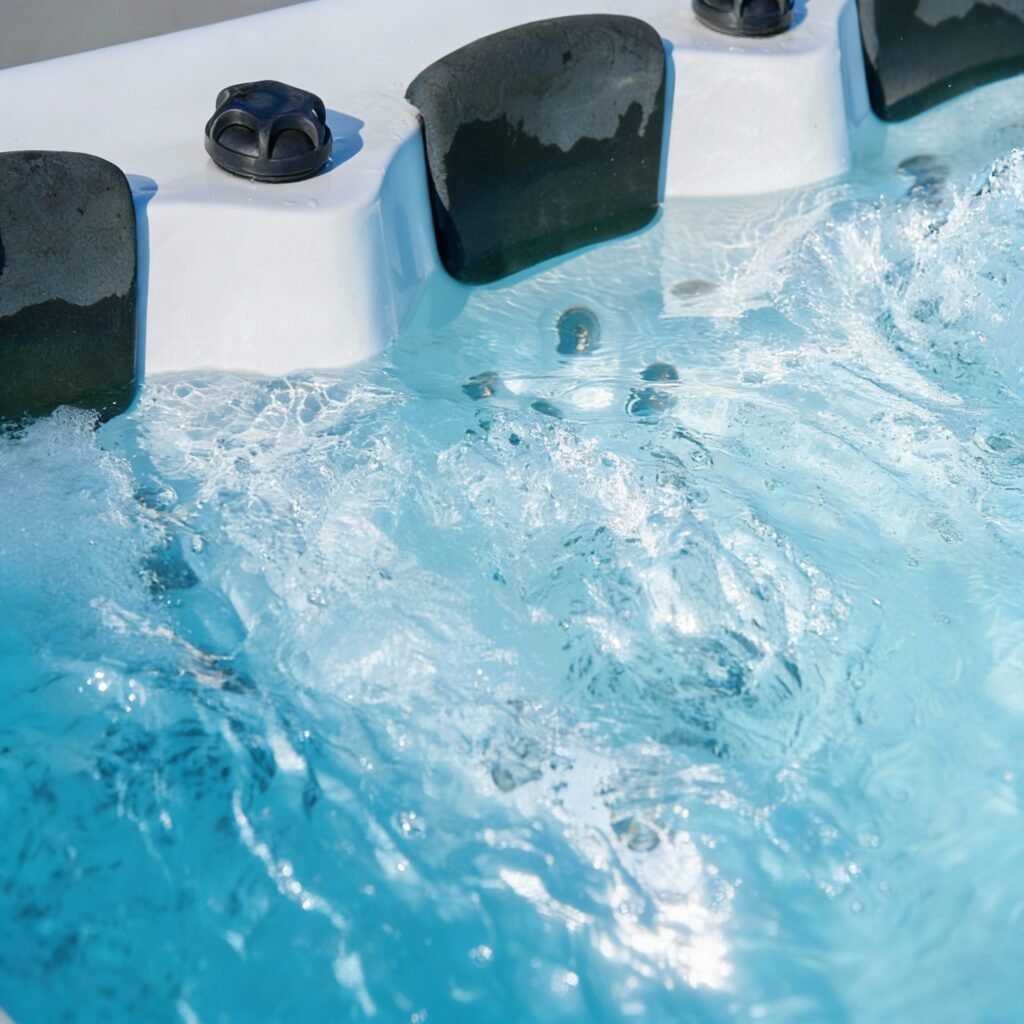
If your pH looks good after an adjustment but climbs again later, start by looking at alkalinity, your fill water, and how much air moves through the water.
Air from jets and water features
Jets, air blowers, and waterfalls help release carbon dioxide from the water. As that gas escapes, pH can rise.
That doesn’t mean you need to give up your massage. Turn adjustable air controls off after soaking when recommended by your hot tub’s instructions.
High alkalinity
High alkalinity can encourage pH to rise as the water releases carbon dioxide. It can also make lowering pH take more adjustment product.
If you keep adding pH decreaser and the reading keeps bouncing back, check alkalinity before adding another dose.
Your fill water
Water from your hose may have high pH, high alkalinity, or both. Refilling or topping off can bring those readings up, so test afterward.
Too much adjustment product
An oversized dose of pH increaser can push the reading too high. Alkalinity increaser can also raise pH, which is why it helps to retest both readings after an adjustment.
Your sanitizer system
Liquid chlorine can raise pH when first added, although that initial rise doesn’t tell the whole story as the chlorine gets used. Saltwater hot tubs can also develop rising pH during operation. Follow your system’s testing and adjustment instructions.
If pH repeatedly climbs, look for the pattern. Note whether it happens after topping off, adding a product, or running the jets. That can help explain why the same adjustment keeps appearing on your to-do list.
⬇️ How to Lower Hot Tub pH
If a test confirms your pH is above the recommended range, use a pH decreaser approved for your hot tub and water-care system. These products are often labeled “pH Down” or “pH Minus.”
Check alkalinity too
A pH decreaser also lowers alkalinity. If both readings are high, the adjustment can help bring both down. If alkalinity is already low, get guidance from your dealer before repeatedly adding more decreaser.
Measure carefully
Follow the label’s dose for your hot tub’s water volume and current readings. Use the supplied measuring tool or a dedicated chemical measure—guessing can turn high pH into low pH surprisingly quickly.
Add it as directed
Keep everyone out of the water while adding chemicals. Follow the label’s handling and circulation instructions, and never mix products together.
Give it time, then retest
Follow the product’s waiting period before testing again. Retest both pH and alkalinity, and add another measured dose only if needed.
If pH comes down but repeatedly rises again, review the causes in the previous section rather than continuing to add larger doses.
Before soaking, confirm that pH and sanitizer are within their recommended ranges and that the product’s reentry instructions have been met.
🫧 How Sanitizer Products Can Affect pH

The products you use to keep your water clean can also move your pH. Knowing what to expect helps you spot a pattern and make sensible adjustments.
Dichlor granules
Dichlor is a common, practical choice for hot tubs. Regular use can gradually lower pH and alkalinity, so keep testing both. It also adds CYA, which builds up over time and is one reason water replacement matters.
Bromine tablets
Bromine tablets can gradually lower pH and alkalinity too. If you use a tablet system and notice your readings drifting down, review your alkalinity and dosing settings.
Liquid chlorine
Liquid chlorine raises pH when added, but some of that effect is offset as the chlorine gets used. A rising pH reading doesn’t automatically mean liquid chlorine is the only cause—alkalinity and aeration still matter.
Use it only when approved for your hot tub and water-care system.
Saltwater systems
Salt systems make chlorine in the water. Owners may notice pH climbing during operation, so regular testing and occasional adjustment belong in the routine. Follow your system’s recommended ranges.
Trichlor tablets
These are acidic tablets commonly sold for pools. Many hot tub manufacturers prohibit them because they can damage equipment and surfaces. Don’t use them unless your hot tub instructions and the product label specifically allow it.
Calcium hypochlorite
This chlorine adds calcium as well as sanitizer. Repeated use can raise calcium hardness and increase the chance of scale when the water is out of balance. Use it only when your hot tub manufacturer and the product label permit it.
You don’t need to change sanitizers every time pH moves. Start with accurate testing, proper dosing, and small adjustments suited to your water-care system.
🧠 Common Hot Tub pH Problems
If the same pH problem keeps returning, look at the other readings and your recent water-care routine before adding more product.
On smaller screens, scroll sideways to view the full chart.
| What You’re Seeing | What to Look At | What to Do Next |
|---|---|---|
| pH keeps rising | High alkalinity, aeration from jets and waterfalls, or fill water. | Test alkalinity and your fill water. Turn adjustable air controls off after soaking when your manual recommends it. |
| pH keeps dropping | Low alkalinity, frequent use of acidic products, or too much pH decreaser. | Test alkalinity and review recent doses. Correct low alkalinity as directed, then retest pH. |
| Low pH with high alkalinity | A recent acid dose or water that hasn’t fully mixed. | Confirm both readings after the required circulation time. Aeration can raise pH without raising alkalinity; ask your dealer how to use this approach for your water. |
| High pH with low alkalinity | Recent adjustments or fill water with an unusual balance. | Confirm both readings. Because pH decreaser also lowers alkalinity, ask your dealer for an adjustment sequence suited to your results. |
| pH barely changes after an adjustment | High alkalinity, an incorrect dose, or a reading beyond the test’s range. | Check alkalinity, water volume, dosing instructions, and testing supplies before adding more. |
| Readings change dramatically between tests | Testing technique, deteriorated supplies, or testing too soon after adding chemicals. | Repeat the test according to its instructions. Have your dealer test a fresh sample if results remain unclear. |
Keep a short record of your readings and what you add. A few notes can reveal a pattern that’s easy to miss when you’re only looking at today’s test strip.
🧠 Final Thoughts: Take the Guesswork Out of pH
Keeping your hot tub’s pH balanced gets easier when you understand what moves it. Your fill water, alkalinity, water-care products, and even the air flowing through your jets all play a part.
Start with a reliable test, check alkalinity alongside pH, and make measured adjustments. Give each dose time to circulate before deciding whether the water needs more. If your readings are within the recommended range, put the bottle down—you’ve done the job.
When the same problem keeps returning, a few notes about your readings and chemical additions can help you find the cause. Your dealer can also test a fresh sample and help sort out readings that don’t seem to make sense.
A consistent routine means fewer surprises, less unnecessary adjusting, and more time enjoying your hot tub.
💬 Get to Know the Other Half of pH Balance
If your pH keeps moving, alkalinity deserves a closer look. Understanding how the two work together can make your next adjustment much less frustrating.
Read our Hot Tub Alkalinity Guide to learn what your reading means, how to raise or lower it, and what to do when pH and alkalinity won’t cooperate.
Looking for Another Hot Tub Answer?
Search The Hot Tub Report for more water care, troubleshooting, and buying advice.
A Little More Hot Tub Know-How, Delivered
Get practical water care tips, maintenance advice, and helpful reports delivered right to your inbox. It’s free, and it’s all about making hot tub ownership a little easier.
HOT TUB CONCIERGE SERVICE
Need a Little More Help?
Sometimes a little one-on-one guidance makes all the difference.
Whether you’re shopping for a hot tub, troubleshooting a water problem, or just looking for some expert advice, I’m here to help.
Get personalized guidance during a 30-minute Hot Tub Concierge consultation.
Recommended Reads From The Hot Tub Report
Looking for more helpful advice? Explore these related reports for additional hot tub tips, practical guidance, and answers to common ownership questions.
💬 Join the Conversation!
Have a question, a helpful tip, or a hot tub experience to share? Drop a comment below! We’re here to help each other enjoy better hot tub ownership.
Please keep comments friendly, helpful, and on topic.