Hot Tub Biofilm: Signs, Plumbing Purges & Prevention
Biofilm Cleaning the Plumbing You Can’t See
Learn what hot tub biofilm is, how to identify it, and the best way to remove it from your hot tub plumbing. Discover proven biofilm removal methods and preventative maintenance tips.
You clean the filter, adjust the water, and add sanitizer—but the same problems keep coming back. When your hot tub starts feeling like a chemistry project that never ends, it’s worth considering what may be collecting inside the plumbing.
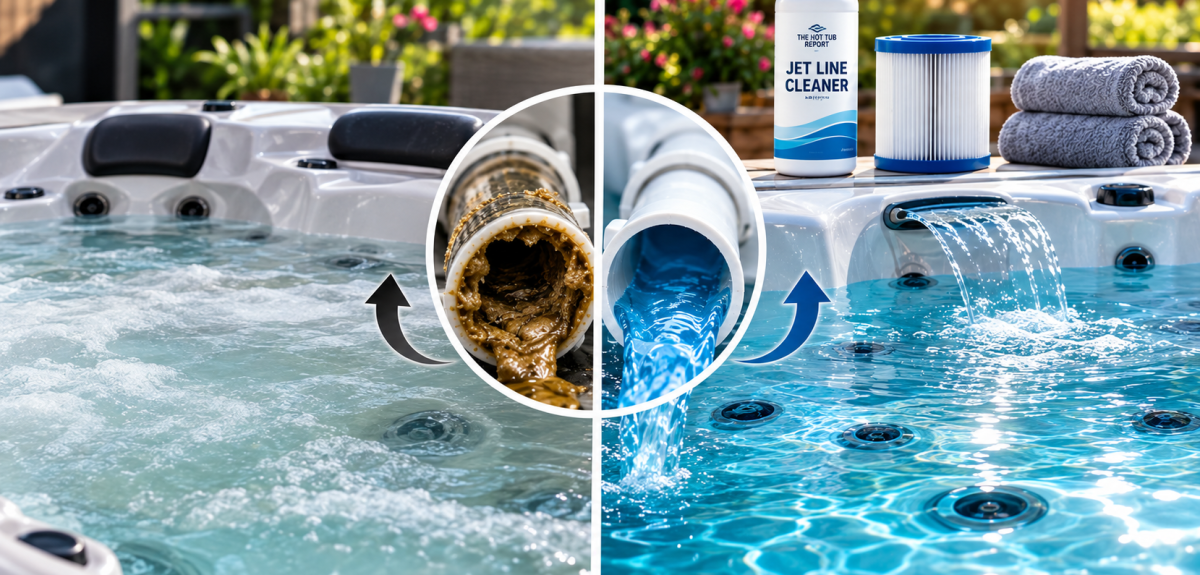
Biofilm is a buildup of microorganisms living within a protective layer on wet surfaces. Inside a hot tub, it can develop in places you can’t reach with a cloth, including pipes and equipment. That hidden buildup can make keeping the water clean more difficult.
Cloudy water, unusual odors, or sanitizer that drops faster than expected can have several causes. Biofilm is one possibility, especially when problems persist despite an otherwise consistent care routine.
That’s where plumbing cleaning comes in. A suitable hot tub purge helps loosen and flush out buildup before you drain the water, reaching areas that wiping the shell and rinsing the filters won’t address.
In this report, we’ll explain what biofilm is, which signs deserve attention, and how to make purging part of a practical water-care routine—without turning every water change into an all-day project.
💧 What You’ll Learn in This Report
- What biofilm is and where it can develop in your hot tub.
- Why buildup inside the plumbing can be difficult to remove.
- Which signs deserve attention and what else to check.
- What a plumbing purge does and when to include one in your routine.
- How to prepare, circulate the cleaner, and handle released residue.
- What foam during a purge can—and can’t—tell you.
- How to drain, rinse, refill, and restart your hot tub.
- Which everyday habits help reduce future buildup.
🧪 What is hot tub Biofilm?
Biofilm forms when microorganisms, including bacteria, attach to a wet surface and produce a sticky, protective layer around themselves. In a hot tub, that layer can develop inside pipes, around fittings, and on other surfaces that stay wet.
Think of it as a community of microorganisms holding onto a surface. Body oils, lotions, and other debris can collect in that buildup, adding to the material inside your plumbing.
Why it’s easy to overlook
You can wipe the shell and rinse the filters, but you can’t reach inside most of the plumbing. Water that looks clear doesn’t tell you whether those hidden surfaces are clean.
Biofilm may feel slippery or slimy when it develops somewhere you can touch. Inside the pipes, however, it can remain out of sight.
Why it matters
The protective layer helps microorganisms survive and makes established buildup harder to treat with routine sanitizer alone. It can contribute to recurring water problems and increased sanitizer demand.
Keeping the plumbing clean belongs alongside regular sanitation, filter cleaning, and water changes. Each handles a different part of the job.
😥 Why Biofilm Can Be Difficult to Remove
Biofilm holds onto surfaces and surrounds itself with a protective layer. That makes the microorganisms inside harder to reach and treat than those floating freely in the water.
The buildup stays behind when you drain
Draining removes the water, but material attached to the inside of pipes can remain. Fresh water then passes through those same surfaces when you restart the hot tub.
That’s why a water change may provide only temporary improvement when plumbing buildup is part of the problem.
Routine sanitizer has a different job
Chlorine or bromine helps keep your water sanitized. Maintaining the correct level is essential, but routine dosing may not remove an established layer of buildup inside the plumbing.
Simply adding more sanitizer without investigating recurring problems can leave you repeating the same treatment.
A purge helps loosen attached material
A suitable plumbing cleaner circulates through the system to loosen buildup so it can be flushed out with the old water. Cleaning accessible surfaces and handling the filters as directed help complete the process.
Purging and regular sanitation work together. Once the plumbing has been cleaned and the hot tub refilled, consistent water care helps limit the opportunity for buildup to return.
🦠 Signs That Biofilm May Be Part of the Problem
Biofilm is often hidden inside the plumbing, so you may notice water-care problems before you see any buildup.
Sanitizer keeps dropping faster than expected
If chlorine or bromine becomes difficult to maintain, something may be creating extra demand. Plumbing buildup is one possibility, but heavy use, dirty filters, and incorrect dosing can also contribute.
Confirm the reading with reliable testing supplies before deciding what to treat.
Slippery or slimy surfaces
An unusual slippery coating on the shell or around fittings deserves attention. Oils and product residue can also leave a film, so appearance and feel alone won’t tell you exactly what it is.
Water problems keep returning
Cloudiness or unpleasant odors that return after treatment can be a reason to review your plumbing-cleaning routine. Check sanitizer, water balance, filtration, and circulation as well.
Flakes or debris come through the jets
Loose material coming from the plumbing is worth investigating. It may be organic buildup, mineral deposits, or other residue. White flakes, in particular, aren’t automatically biofilm.
Look at the pattern
A single cloudy-water episode doesn’t tell you much about the inside of your pipes. Repeated problems—especially after sanitizer has been low or the hot tub has sat unused—deserve a closer look.
If the water is slimy, smells unusual, or won’t hold the required sanitizer level, pause soaking while you address the problem. Your dealer can help determine whether routine cleaning and a purge are appropriate or whether a more thorough treatment is needed.
🧽 What a Hot Tub Plumbing Purge Does
A plumbing purge sends a purpose-made cleaner through your hot tub’s pipes and equipment. It helps loosen buildup on those hidden surfaces so the released material can drain away with the old water.
It cleans where you can’t reach
Wiping the shell and cleaning the filters are important, but neither cleans the inside of the plumbing. A purge uses circulating water to carry the cleaner through those areas.
Depending on the product and what’s in the system, you may see foam, floating residue, or a dirty ring around the waterline. Follow the cleaner’s instructions for removing that material during treatment.
Plan it before a water change
Purging fits naturally into a drain-and-refill routine because the cleaning water needs to be removed afterward. Check your hot tub and cleaner instructions for the recommended schedule, and allow time to complete the treatment, drain, rinse, and refill.
If recurring water problems appear between scheduled changes, ask your dealer whether an earlier purge or another treatment is appropriate.
Choose a cleaner made for the job
Use a plumbing or jet-line cleaner intended for hot tubs and compatible with your equipment. Household detergents can create excessive foam and leave unwanted residue.
Finish with fresh water and normal water care
After purging, follow the required rinsing and refill steps, balance the water, and establish the proper sanitizer level. The purge handles plumbing buildup; your ongoing routine keeps the refilled hot tub ready to enjoy.
🍜 Prepare Your Hot Tub for a Purge
Before adding cleaner, gather what you need and read the full product instructions. A little preparation makes the drain-and-refill job much smoother.
Choose a suitable cleaner
Use a plumbing purge product intended for hot tubs and compatible with your model. Check for any special instructions involving salt systems, mineral cartridges, or other water-care equipment.
Check the water level and temperature
The water needs to be high enough for the pumps to circulate properly. Follow the cleaner’s temperature requirements—some products specify warm water, while others allow a wider range.
If a pump isn’t moving water normally, resolve that problem before starting the purge.
Follow the filter instructions
Some cleaners require filters to be removed and cleaned separately. Others allow certain cartridges to be placed in the hot tub during treatment. Follow both the cleaner’s directions and your filter manufacturer’s cleaning guidance.
Disconnect power before removing filters or accessing equipment, then restore it only when everything is ready for the instructed circulation cycle.
Have your cleanup supplies ready
Keep a soft cloth, a bucket, your draining equipment, and the refill hose nearby. Released residue can collect around the waterline, and it’s easier to remove before it dries.
Allow time to finish
Plan enough time for treatment, draining, rinsing, refilling, and startup. In freezing weather, choose a suitable window and avoid leaving the hot tub empty while you finish the job another day.
Keep everyone out during treatment. Add only the products specifically directed by the purge instructions, and never mix chemicals together in a container.
🧴Add the Cleaner and Circulate It
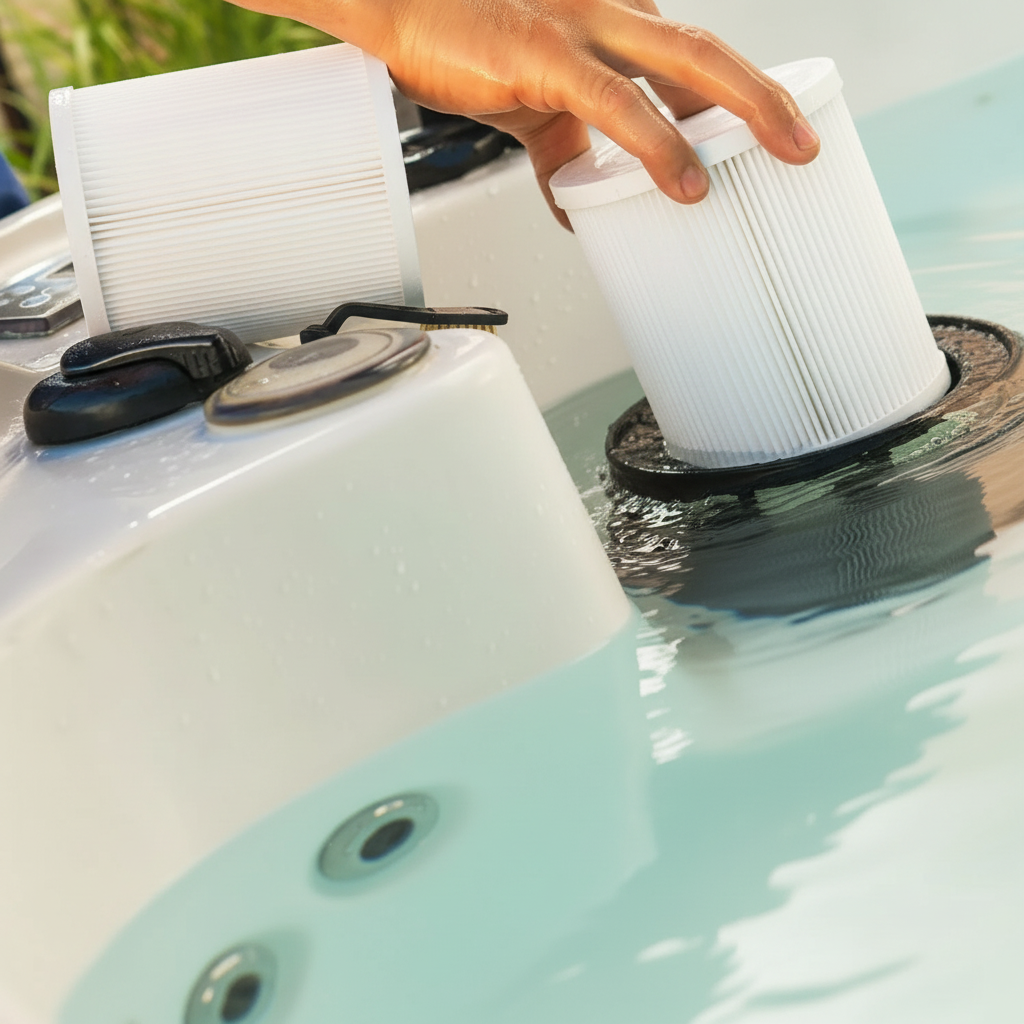
With the hot tub prepared, it’s time to send the cleaner through the plumbing.
Measure the correct amount
Use the dose listed on the label for your hot tub’s water volume. More cleaner doesn’t automatically mean better results—it can create extra foam and more rinsing work.
Add the product as directed. Don’t assume every cleaner needs to be poured straight into the water or dissolved beforehand.
Run the pumps as instructed
Follow the product’s directions for pump speed and treatment time. If your hot tub has multiple jet pumps, operate them as directed so the cleaner reaches the systems they serve.
Stay nearby during treatment so you can watch the water level, flow, and foam.
Direct water through the different jet groups
Open adjustable jets and use the diverter settings recommended for your hot tub. Some procedures call for changing diverter positions during treatment to circulate cleaner through different sections. Follow your manual when moving these controls, and never force them.
Run waterfalls or other water features only as permitted by the hot tub and cleaner instructions.
Set air controls according to the product
Some purge products call for air controls to be open; others recommend reducing air to manage foam. Use the instructions for the cleaner you’re using.
Complete the full treatment cycle
A cleaner may specify continuous circulation, a resting period, or another cycle of running the jets. Follow that sequence rather than stopping as soon as the water looks dirty.
Wipe away released waterline residue as directed while it’s still wet. If foam approaches the rim, follow the product’s foam-control instructions rather than adding another chemical to knock it down.
🫧 What Foam and Residue During a Purge Mean
A purge can produce foam, floating debris, and a dirty ring around the waterline. It may look unpleasant, but this is your opportunity to remove material that has been circulating out of the plumbing.
Foam isn’t a measure of biofilm
The cleaner itself, the amount used, and air from the jets all affect how much foam develops. A large pile of bubbles doesn’t tell you how much biofilm was present, and very little foam doesn’t prove the plumbing was clean.
Follow the treatment instructions rather than judging progress by the height of the bubbles.
Released residue can contain several things
Oils, lotions, cleaner residue, and loosened plumbing buildup can collect in the foam or along the shell. You can’t identify everything in that mixture by its color or appearance.
Wipe it away while it’s wet
Use a soft cloth to remove waterline residue as the product directs. Keep cleaning the exposed shell during draining so the material doesn’t dry onto the surface. Rinse or change the cloth as it gets dirty.
Repeat treatment only when directed
If substantial residue continues to appear, follow the cleaner’s instructions for additional treatment or ask the manufacturer for guidance. Don’t keep adding extra doses simply to chase perfectly clear foam.
The goal is to loosen, remove, and rinse away buildup—not to produce the biggest bubble show in the backyard.
🧽 Drain, Rinse, and Clean the Hot Tub
Once the purge cycle is complete, it’s time to remove the cleaning water and the material it loosened.
Disconnect power before draining
Turn off power at the hot tub’s breaker or disconnect. Switching the jets off at the control panel isn’t enough because a pump or heating cycle could start automatically.
Keep power off throughout draining and cleaning.
Drain as directed
Use the built-in drain or a suitable submersible pump, following the equipment instructions. Route the water to a location permitted by local requirements and the cleaner’s disposal directions.
Wipe away residue as the water drops
Use a soft cloth to clean the exposed waterline, seats, and shell. Released buildup is easier to remove while it’s wet, so don’t wait for it to dry into a stubborn ring.
Avoid abrasive pads and household detergents that could damage the finish or leave foaming residue.
Remove leftover water
A wet/dry vacuum rated for liquid pickup can help remove puddles from the seats and footwell. Use it according to its instructions and keep electrical connections dry.
For clearing water from plumbing lines, follow your hot tub manufacturer’s procedure rather than disconnecting fittings or blowing air into unfamiliar openings.
Rinse thoroughly
Rinse the shell and remove the rinse water. Some purge products require an additional fill-and-drain rinse cycle; follow the directions for the cleaner you used.
Finish cleaning or replacing the filters according to their manufacturer’s instructions so they’re ready for the refill.
Before adding fresh water, close the drain and secure any drain caps or fittings you opened. It’s a small step that’s easy to remember once you’ve watched fresh water head straight out the drain.
💧Refill and Restart Your Hot Tub
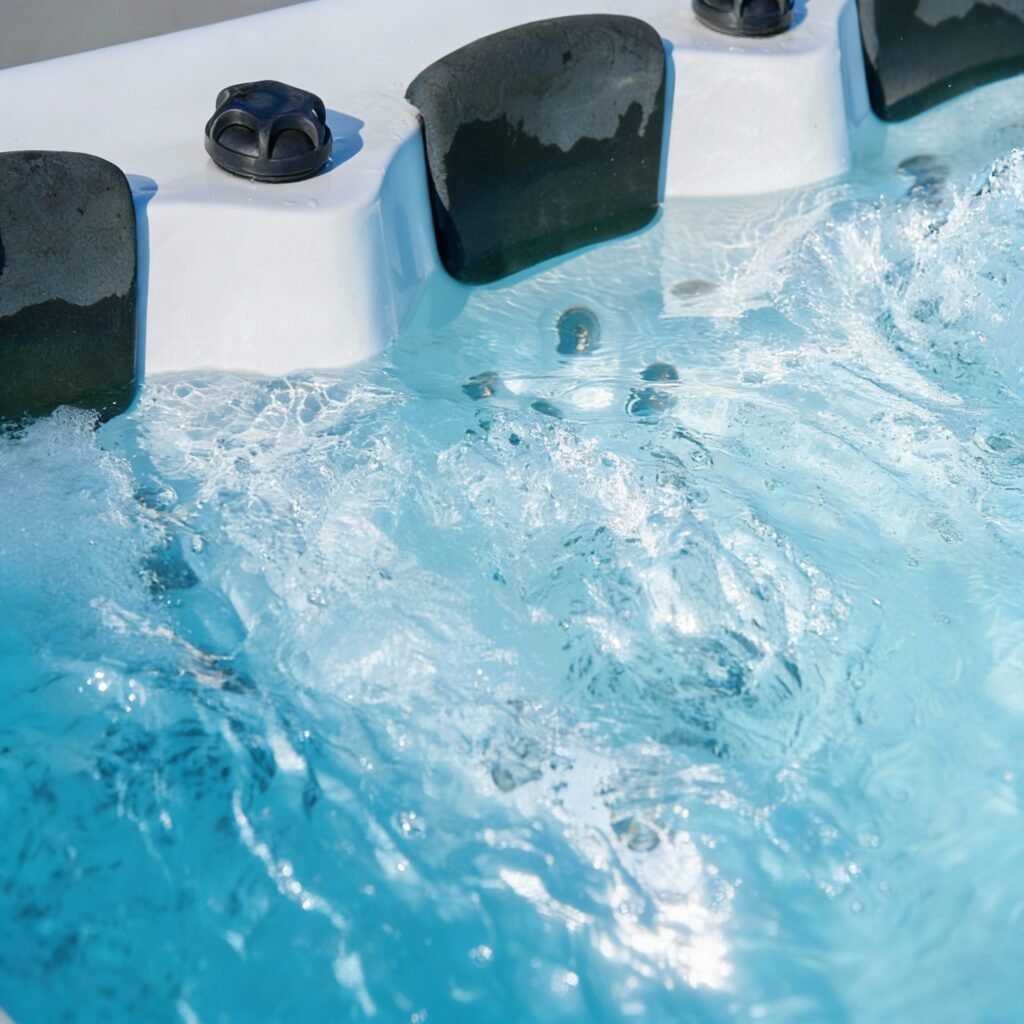
With the cleaning water and residue removed, you’re ready for a fresh fill.
Use the recommended filling point
Keep power off and follow your owner’s manual for where to place the hose. Many hot tubs fill through a designated filter opening to help reduce trapped air.
Fill to the recommended level, then reinstall clean filters and any components removed during preparation, following your model’s instructions.
Restore power and confirm flow
Follow the startup procedure and make sure each pump establishes normal water flow. If a pump runs without moving water, stop within the manual’s priming limits and address the problem before continuing.
Check for leaks or error messages, and confirm normal heating once circulation is established.
Balance the fresh water
Test the fill water and adjust alkalinity, pH, and calcium hardness to the ranges recommended for your hot tub and water-care system. Use measured doses, allow circulation, and retest as directed.
Establish the sanitizer level
Follow your system’s refill instructions to establish the required chlorine or bromine level. Salt systems, mineral systems, and cartridge systems may have specific startup steps, so don’t assume switching them back on makes the water ready immediately.
Test before soaking
Confirm that the water is clear, the temperature is comfortable, and sanitizer and water balance are within their recommended ranges. Follow all product waiting and reentry instructions.
The purge has addressed plumbing buildup. Consistent sanitation, filter care, and testing now help keep that fresh start on track.
⚠️ How to Reduce Future Biofilm Buildup
Once you’ve cleaned the plumbing and refilled, a few regular habits help keep buildup from getting another foothold.
Maintain your sanitizer level
Keep chlorine or bromine within the range required by your water-care system. Test regularly and give the water extra attention after heavy use. Long periods with too little sanitizer give microorganisms more opportunity to grow.
Keep filters clean
Rinse and deep-clean your filters according to their instructions, adjusting the schedule for how often you use the hot tub. Replace cartridges when the material or structure has deteriorated enough to affect their performance.
Reduce what goes into the water
A quick rinse before soaking helps remove sweat, lotions, and other products. Rinse swimsuits thoroughly too—leftover laundry detergent can contribute to foam and residue.
You don’t need a complicated pre-soak ritual. Bringing less into the water gives your maintenance routine less to handle.
Keep circulation working properly
Maintain the recommended water level and filtration settings. Address weak flow, recurring error messages, or pump problems promptly so water continues moving through the system as intended.
Plan plumbing cleaning with water changes
Include purging at the interval recommended for your hot tub and chosen cleaner. Keeping the product with your drain-and-refill supplies can help you remember it before the water is already halfway down the driveway.
Keep up with care when you’re away
An unused hot tub still needs water care. Arrange testing and maintenance during longer absences, or follow a complete manufacturer-approved shutdown procedure.
A purge gives the plumbing a cleaning; your everyday routine helps maintain the result.
🧠 Final Thoughts: Remember the Plumbing
The shell and filters are easy to see, so they naturally get most of the attention. The plumbing needs care too, even when the water looks clear.
A suitable purge helps loosen hidden buildup so you can remove it with the old water. Follow the cleaner’s full process, including circulation, residue removal, and rinsing. Then refill, balance the water, and establish the proper sanitizer level before soaking.
If cloudiness, slime, or unusual sanitizer demand keeps returning, have your dealer help investigate the cause. Repeating treatments without understanding the problem can turn maintenance into a frustrating cycle.
Make plumbing cleaning part of your planned water-care routine. Keeping the supplies ready for your next water change makes it easier to remember the part of the hot tub you can’t reach with a cloth.
💬 Make Your Next Water Change Count
A water change is the perfect time to give the plumbing some attention. Plan your purge before draining, have your cleaning supplies ready, and allow enough time to refill and get the water balanced.
Read When to Drain Your Hot Tub for help deciding when your water needs replacing and how to make the most of a fresh start.
The Complete Guide to Removing Hot Tub Biofilm
This downloadable guide answers the most common questions about hot tub biofilm, including how to identify it, whether a purge removes it, how to flush biofilm from plumbing, and how to eliminate its slimy buildup. You’ll also learn which cleaners work best and why hot tub biofilm can be so difficult to remove.
Looking for Another Hot Tub Answer?
Search The Hot Tub Report for more water care, troubleshooting, and buying advice.
The Hot Tub Report Trusted Links & References
Follow your hot tub manufacturer’s guidance and the cleaner’s label for compatibility, dosing, filter handling, circulation, and rinsing.
A Little More Hot Tub Know-How, Delivered
Get practical water care tips, maintenance advice, and helpful reports delivered right to your inbox. It’s free, and it’s all about making hot tub ownership a little easier.
HOT TUB CONCIERGE SERVICE
Need a Little More Help?
Sometimes a little one-on-one guidance makes all the difference.
Whether you’re shopping for a hot tub, troubleshooting a water problem, or just looking for some expert advice, I’m here to help.
Get personalized guidance during a 30-minute Hot Tub Concierge consultation.
Recommended Reads From The Hot Tub Report
Looking for more helpful advice? Explore these related reports for additional hot tub tips, practical guidance, and answers to common ownership questions.
💬 Join the Conversation!
Have a question, a helpful tip, or a hot tub experience to share? Drop a comment below! We’re here to help each other enjoy better hot tub ownership.
Please keep comments friendly, helpful, and on topic.