- John Gill
- No Comments
Hot Tub Error Code Decoder
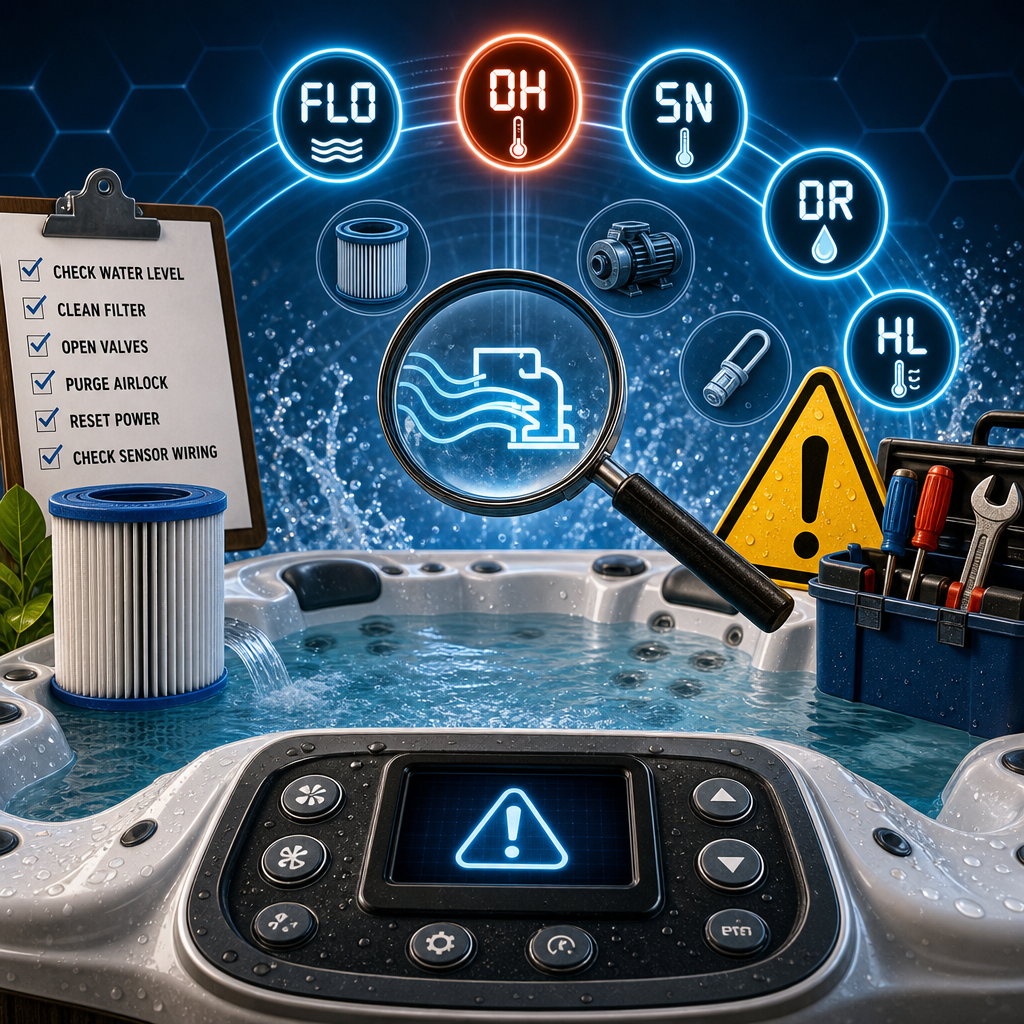
Hot Tub Error Code Decoder: FLO, OH, SN, DR, HL & More
Hot tub error codes are your spa’s built-in safety system — its way of saying, “something isn’t right, and I’m protecting your heater, pump, and control board until you fix it.” Most codes indicate a flow problem, overheating, sensor failure, or an electrical issue, and many can be resolved with a few simple checks before needing to call a technician.
What’s Explained in This Report
- What the most common hot tub error codes mean (FLO, OH, SN, DR, HL, and more)
- The quick checks that solve most flow, heat, and sensor problems
- How water chemistry and dirty filters trigger error codes
- The difference between real errors and normal modes like EC, SL, PR, and ICE
- When an error points to a simple fix — and when it signals a deeper electrical issue
- How to prevent recurring error codes with better maintenance habits
⚠️ Why Hot Tub Error Codes Matter
Modern spas constantly monitor water flow, temperature, and sensor readings.
When something falls outside the safe range, the system will:
- Shut down the heater
- Limit pump operation
- Lock out certain functions
This protects your equipment from expensive damage and helps you pinpoint the issue fast. More often than not, the fix is surprisingly simple — a dirty filter, a low water level, or an air pocket trapped in the plumbing after a refill.
📘 The Most Common Hot Tub Error Codes
Here are the codes spa owners run into most often, and what they typically mean.
💨 FLO — Water Flow Problem
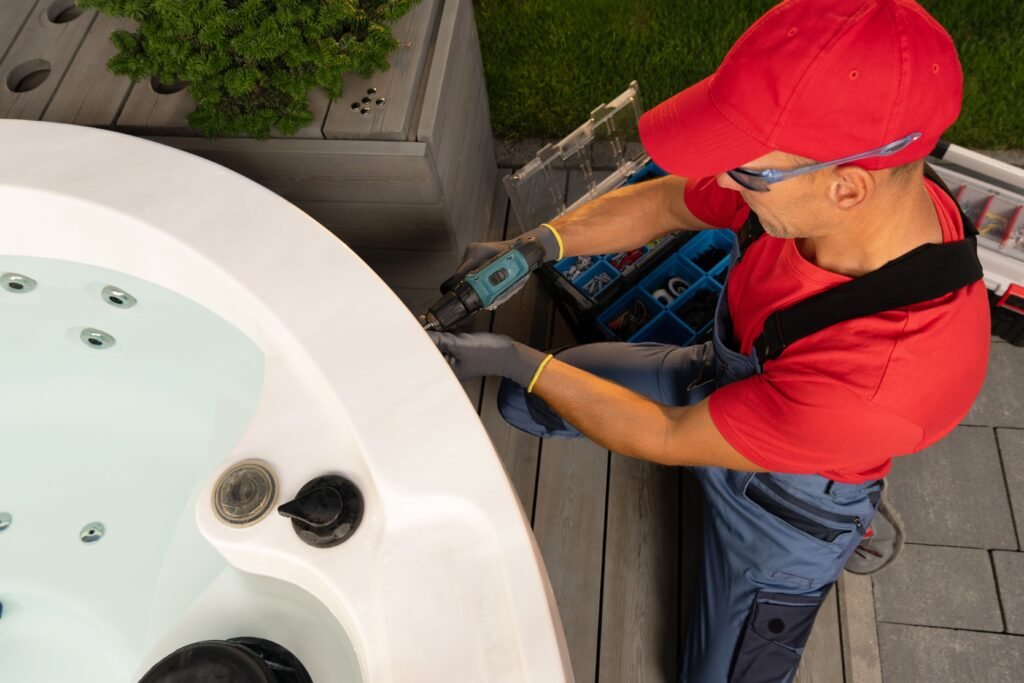
FLO means the spa isn’t detecting enough water movement through the heater or circulation system.
Start with the basics:
- Check the water level
- Clean the filter
- Make sure valves are open
- Purge any airlock after a refill
If the filter is clean, try removing it entirely. If the code disappears, it’s time for a new filter. If water is clearly moving but FLO won’t clear, the flow switch or pressure switch may be failing.
🔄 FLC — Flow Switch Stuck Closed
FLC means the flow switch is stuck in the “closed” position even when water isn’t moving.
Causes include:
- Debris in the switch
- A failed flow switch
- Wiring issues
- A control board misread
FLC pairs well with FLO for deeper flow troubleshooting.
🔥 OH — Overheat Protection
OH means the spa has overheated, or thinks it has.
Common causes include:
- Restricted flow
- A dirty filter
- Low water level
- Circulation issues
- A faulty temperature sensor
If the water is genuinely hot, let it cool down. If it isn’t, the temperature sensor is likely sending bad readings.
🎛️ SN / SN1 / SN2 / SNA / SNB — Sensor Errors
SN codes almost always point to a sensor problem.
Likely causes:
- A loose or corroded sensor connection
- Damaged wiring
- A failed temperature or high-limit sensor
If the wiring checks out and the code continues to return, the sensor itself — or the control board — may require professional diagnosis.
💧 DR / DRY — Heater Not Getting Water
DR/DRY means the heater is running without enough water flow, a serious risk for heater burnout.
Check:
- The filter
- Water level
- Circulation pump
- Flow switch
If DR keeps coming back, the heater element may be overheating due to restricted flow.
🔥 HL / HFL — High Limit Fault
HL/HFL means the high-limit sensor detected an unsafe temperature inside the heater tube.
Often caused by:
- A dirty filter
- An airlock
- A weak circulation pump
- A failing high-limit sensor
HL is especially common on Balboa control systems.
🌡️ COL / COOL — Water Temperature Dropped Too Low
The spa has sensed a sudden temperature drop.
Common causes:
- Cold weather
- An open cover
- Long filtration cycles
- A weak heater
This usually resolves on its own once the temperature stabilizes.
🔌 PF — Pump Failure or No Response
PF codes mean the system can’t start the pump or is detecting abnormal amperage.
Possible causes:
- A failed pump
- A seized impeller
- A bad capacitor
- Wiring issues
- A control board relay failure
Pump errors often require professional diagnosis.
🐶 Watchdog (— — or … …) — Critical Safety Lockout
Watchdog mode is one of the most serious spa alerts.
Causes include:
- Sensor failure
- Voltage issues
- Control board failure
- Overheat conditions
- Corrupted software
The spa won’t run until the underlying issue is resolved. This is a technician-level code.
🏷️ Brand-Specific Notes
Different manufacturers use slightly different codes:
- Balboa: FLO, OH, SN, DR, HL
- Gecko: FL1, FL2, HL, HR, AOH
- Sundance/Jacuzzi: “Watchdog” mode
- Master Spas: OHH, FLO, SNS, DRY
- Hot Spring: “Ready,” “Rest,” “Cool,” “Overheat,” “Sensor” messages
If your panel looks different from what’s described here, check your code against your brand — the underlying problems are usually the same.
📘 Common Hot Tub Codes
When filling your hot tub — or during everyday use — some system codes may look like error messages.
In reality, these are normal operating or startup codes that can easily be mistaken for faults.
Here’s a quick list of common codes you might see and what they actually mean.
⚡️EC / SL / SE / ST — Economy or Sleep Mode
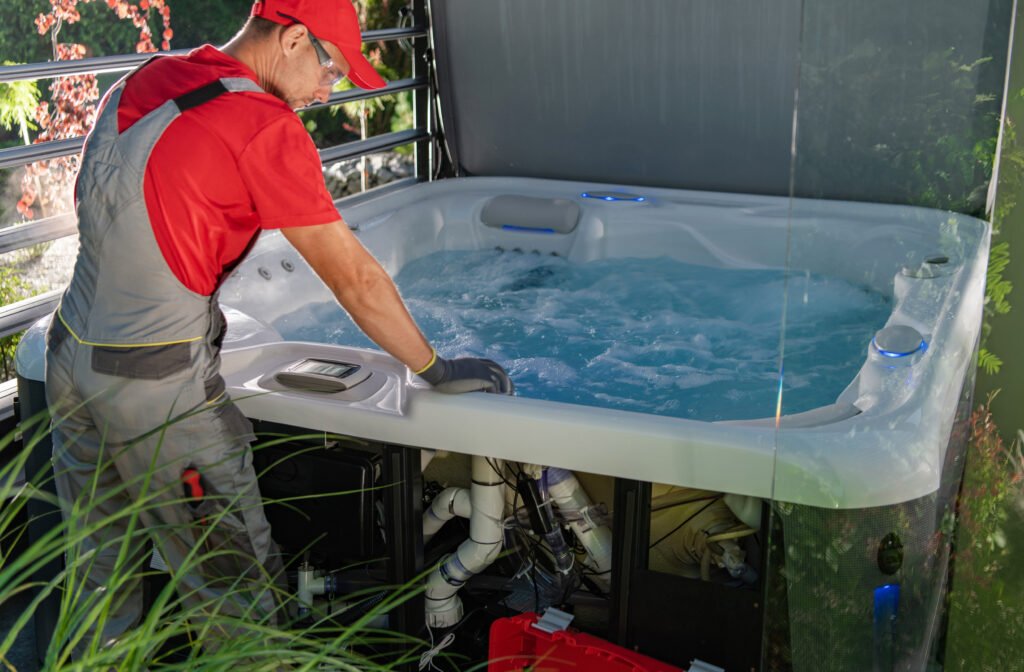
These aren’t errors — they’re heating modes.
- EC (Economy): Heats only during filtration cycles
- SL (Sleep): Maintains a lower temperature
- SE:Varies by brand, usually a reduced heat mode
- ST: Standard Operating Mode
Many owners assume their spa “won’t heat” when it’s simply running in EC or SL.
🧊 ICE / IC — Freeze Protection Active
The Hot Tub is protecting itself from freezing.
Pumps may run unexpectedly to keep water moving.
⚙️ PR / PRR — Priming Mode
This typically appears after powering up or refilling.
The spa is simply waiting for the pumps to prime — not an error, though owners often mistake it for one.
🧪 How Water Chemistry Causes Error Codes
Poor water chemistry is a frequent, overlooked trigger for flow and sensor errors:
- Low pH can damage sensors
- High calcium restricts flow and clogs heater tubes
- Dirty filters cause FLO, OH, and HL
- Biofilm increases heater cycling and sensor misreads
Water care and error prevention go hand in hand.
🔌 Electrical Issues That Mimic Error Codes
Sometimes the spa isn’t the problem — the power supply is. Common electrical culprits:
- A weak or failing breaker
- A loose neutral
- Undersized wiring
- A GFCI tripping under load
- Voltage drop from long wire runs
These issues often cause intermittent FLO, OH, or SN codes that seem to come and go for no reason.
📘 What to Do Next
🧰 First Things to Check Before Assuming a Major Repair
These simple steps solve a large percentage of error codes:
1. Verify the water level
2. Clean or remove the filter
3. Make sure valves are open
4. Purge any airlock after a refill
5. Reset power at the breaker
6. Inspect sensor wiring
Together, these checks resolve the majority of FLO, OH, HL, DR, and SN issues.
👨🔧 When to Call a Professional
Call a technician if:
- The same code returns after basic troubleshooting
- The spa won’t heat
- The pump won’t start
- OH, SN, DR, HL, or Watchdog codes keep reappearing
- You suspect a heater, control board, or wiring failure
Persistent codes usually point to a deeper electrical or component issue that’s best left to a pro.
🛡️ Prevention Tips: Stop Error Codes Before They Start
Most error codes trace back to simple maintenance gaps.
Build these habits in:
- Rinse filters weekly; deep-clean monthly
- Maintain proper water level
- Keep water chemistry balanced
- Check for leaks or partially closed valves
- Keep the cover on when the spa isn’t in use
Good upkeep dramatically cuts down on flow errors, overheating shutdowns, and false sensor alarms.
🧭 Final Takeaway
Hot tub error codes aren’t just warnings — they’re protection. Understanding what they mean helps you fix small issues quickly and avoid expensive repairs.
With this guide, you can confidently diagnose flow problems, overheating, sensor failures, heater issues, pump faults, electrical misreads, freeze protection, and watchdog lockouts.
Your spa stays safer, your equipment lasts longer, and your soaking stays stress-free.
About the Information in This Post
The details in this guide were gathered from reliable industry sources, manufacturer documentation, and real‑world troubleshooting experience.
However, your spa’s owner’s manual is always the most accurate and authoritative reference for your specific model.
While every effort has been made to ensure clarity and accuracy, The Hot Tub Report is not responsible for any unintentional errors or variations in brand‑specific code behavior.
Always defer to your manual or a qualified technician when in doubt.
The Hot Tub Report Trusted Links & References
Recommended Reads from The Hot Tub Report
💬 Join the Conversation!
Have a question, tip, or hot tub story to share? Jump in! The Hot Tub Report is all about helping each other get more enjoyment out of hot tub ownership.
Just keep it friendly, helpful, and on topic. No spam, personal attacks, or inappropriate content, please. Comments that don’t fit the spirit of the community may be removed.
Be helpful. Be respectful. And happy hot tubbing! 🛁