Hot Tub Ozone Systems: How They Work & What to Know
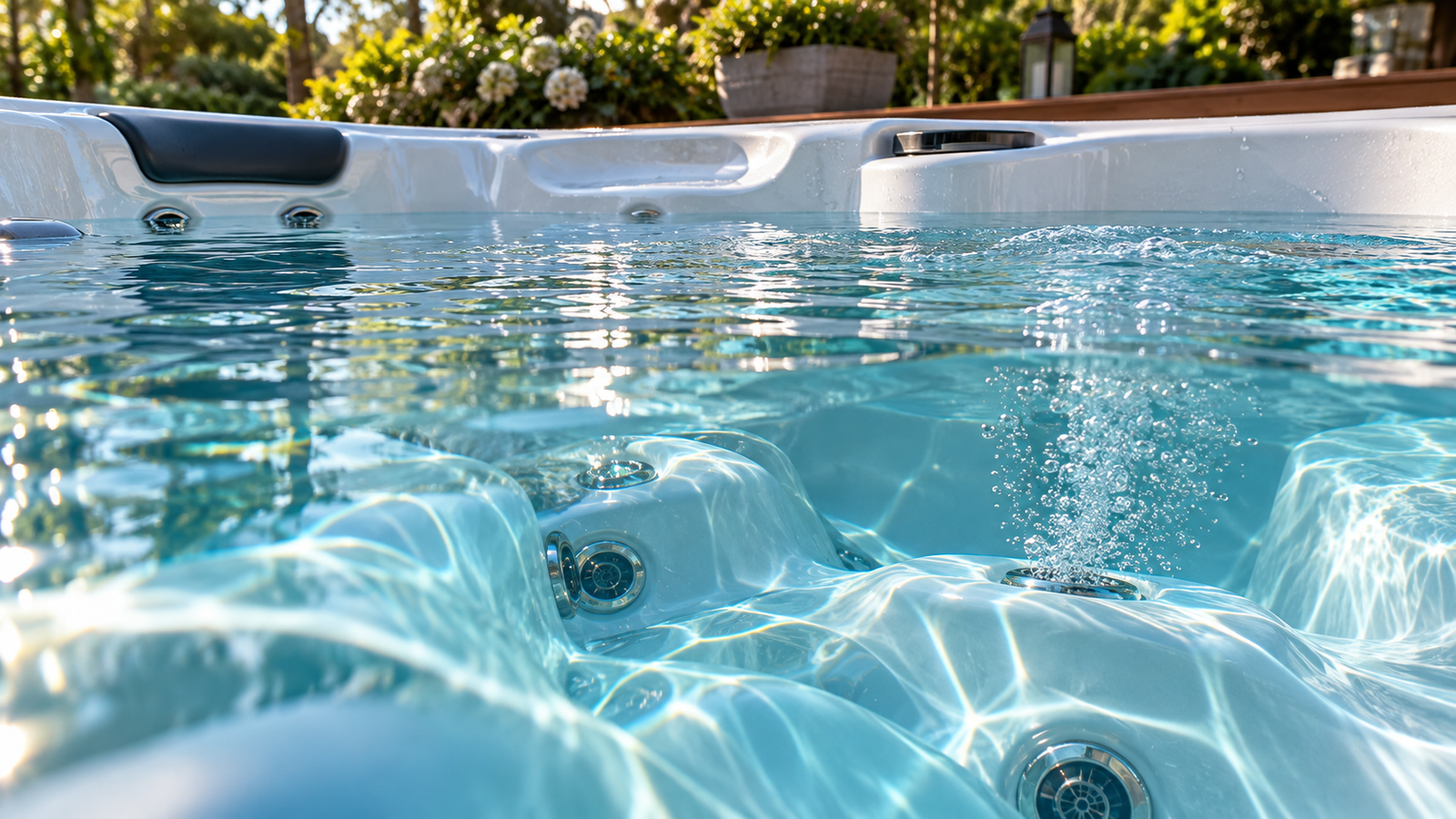
The Power of Ozone: A Smarter Way to Sanitize Your Hot Tub
An ozone system is one of those hot tub features that works quietly behind the scenes. You won’t adjust it every time you soak, and you may rarely see the generator itself. But understanding what it does can help you get more from your water-care routine.
I’ve used ozone in my own hot tub for years, and it remains one of my preferred options for supplemental water treatment. It helps oxidize contaminants as water moves through the system, supporting the work of your sanitizer. It still needs to be paired with proper filtration, balanced water, and the sanitizer routine specified for your hot tub.
In this report, we’ll look at how ozone works, how it compares with other water-care options, and what to watch for as the equipment ages. We’ll also sort through a few common misconceptions—because seeing bubbles doesn’t tell you everything about what’s happening beneath the surface.
💧 What You’ll Learn in This Report
- What ozone does and how it helps treat hot tub water.
- How corona discharge and UV-generated ozone differ.
- What to consider before adding an ozonator to your hot tub.
- How ozone works alongside chlorine, bromine, and other water-care products.
- Why sanitizer testing and a proper residual still matter.
- Whether you still need to shock your water.
- How ozone compares with saltwater systems and UV treatment.
- How to assess ozone-system performance and recognize maintenance needs.
- What to know about safe operation and equipment replacement.
🌬️ What Is Ozone?
Ozone is a form of oxygen made up of three oxygen atoms, written as O₃. The oxygen we breathe normally has two. That extra atom makes ozone highly reactive, giving it its usefulness in water treatment.
In a hot tub, a device called an ozonator, or ozone generator, produces ozone gas and introduces it into circulating water.
What does it do in the water?
Ozone acts as an oxidizer, reacting with contaminants and helping break down organic waste introduced during soaking. Sweat, body oils, and personal-care products all contribute to that workload.
With sufficient concentration and contact time, ozone can also inactivate bacteria and other microorganisms in the water being treated. Its effectiveness depends on how much ozone is produced, how well it mixes into the water, and how long that contact lasts.
Its practical value is the treatment it provides automatically during its operating cycles, working alongside filtration and your regular water-care routine to support cleaner, clearer water.
🔧 How Ozone Works in a Hot Tub
An ozone system makes ozone on-site and mixes it into moving water. Once installed and configured, it operates automatically during the cycles set by your hot tub’s controls.
The generator produces ozone
Inside the ozonator, energy converts some of the oxygen in air into ozone gas. A small tube carries that gas from the generator to the water-injection point.
Moving water draws the ozone into the plumbing
Many systems use a venturi injector. As water flows through a narrowed passage, it creates suction that draws ozone into the water stream.
The gas mixes with the water as small bubbles. Good mixing helps ozone dissolve and come into contact with contaminants. Some systems include additional tubing or a mixing chamber to provide more contact time.
Ozone reacts with contaminants
Once dissolved, ozone reacts with substances in the water, helping oxidize organic waste. Its ability to treat the water depends on ozone output, mixing, contact time, and how much contamination is present.
Circulation brings water through the treatment system
Some ozonators operate during programmed filtration cycles. Others work with a dedicated circulation pump, allowing treatment over longer periods when the controls are configured for it.
That makes circulation an important part of the setup: water needs to move through the treatment area for ozone to do its job. Clean filters and proper flow help the system operate as intended.
The benefit is automatic treatment behind the scenes. While you’re going about your day, the system treats water during its operating cycles as part of your hot tub’s overall care routine.
⚡ Two Ways Hot Tub Systems Produce Ozone
Hot tub ozone generators commonly use corona discharge (CD) or ultraviolet light (UV). Both convert oxygen into ozone, which is then introduced into the water.
Corona discharge ozone
A CD generator passes air through an electrical discharge. That energy splits some oxygen molecules, allowing the atoms to recombine as ozone.
CD technology can produce relatively concentrated ozone in a compact unit, making it well suited to hot tub installations. It’s the type I use in my own hot tub and the option I generally prefer.
When comparing units, look at the manufacturer’s rated output, compatibility with your hot tub, expected service life, and replacement requirements. The complete installation—including injection and mixing—affects how effectively that output treats the water.
UV-generated ozone
A UV ozone generator uses a lamp of a suitable wavelength to convert oxygen in the air into ozone. The gas then travels to the injection system.
These units typically produce lower ozone concentrations than CD generators. Their performance depends on lamp condition, airflow, and the system’s design. Lamps require replacement according to the manufacturer’s service schedule, even if they still appear to light up.
UV ozone generation and UV water treatment are different
The word “UV” can describe two different processes. In a UV ozone generator, the lamp acts on oxygen to make ozone. In a UV water-treatment unit, water passes through a chamber where it is exposed directly to ultraviolet light.
Some systems combine ozone and UV water treatment. When comparing features, ask which process the hot tub actually uses so you know what’s included.
🛠️ Adding Ozone to Your Hot Tub

If your hot tub didn’t come with ozone, adding it may be an option. Start by asking your dealer whether your model supports an ozone system and which equipment is approved for it.
Some hot tubs are already prepared with an electrical connection and injection plumbing. Others need additional components or may not be suitable for a retrofit.
Match the generator to the hot tub
The ozonator needs to match the hot tub’s electrical supply, control system, and treatment requirements. The correct connector matters, but so do the voltage, output, and operating schedule.
An approved replacement or retrofit kit helps take the guesswork out of choosing compatible parts.
Make sure the delivery system is complete
A typical installation includes the generator, ozone-resistant tubing, an injector, and a check valve that helps prevent water from backing into the generator. Depending on the design, it may also include a tubing loop or mixing chamber.
These components work together to produce ozone, draw it into the water, and provide contact time for treatment. Their placement and orientation should follow the installation instructions.
Confirm when the system will operate
Your hot tub’s controls determine when the generator runs. That may be during filtration cycles or alongside a dedicated circulation pump.
Have the installer explain the operating schedule and demonstrate any indicator lights. Knowing what normal operation looks like makes future troubleshooting easier.
Ask about ongoing maintenance
Before adding the system, find out how its output is checked, which parts need periodic attention, and what replacement typically involves.
A qualified hot tub technician can confirm compatibility, complete the installation, and make sure the generator and water flow operate together correctly.
🧪 What Water-Care Products Work With Ozone?
Ozone fits into several water-care routines. The right combination depends on your hot tub, the installed equipment, and the instructions for the products you use.
Chlorine
Dichlor granules are a common choice for hot tubs equipped with ozone. They dissolve readily and make it straightforward to add a measured dose.
Use your water volume, product directions, and test results to determine how much to add. Your routine may need adjusting after heavier use or when more people join you for a soak.
Bromine
Ozone can also work with an approved bromine system. It can oxidize bromide back into active bromine, helping regenerate sanitizer in the water.
Continue testing and adjusting according to your bromine system’s instructions. The amount needed will depend on use and how the system operates.
Non-chlorine shock
Non-chlorine shock, commonly called MPS, helps oxidize waste introduced by bathers. Some ozone-based care routines include it as a regular treatment or after heavier use.
Follow the product’s dosing instructions and your hot tub’s recommended routine. MPS is an oxidizer; it doesn’t add chlorine.
Enzymes
Enzyme products help break down certain organic contaminants, including oils and lotions. They can be a useful addition when those substances contribute to waterline buildup or filter fouling.
I use an enzyme product alongside dichlor and ozone in my own hot tub. Each has a role in the routine, with testing guiding the sanitizer adjustments.
Mineral cartridges
Some approved water-care systems combine minerals with ozone and a specified sanitizer routine. Follow the complete system’s instructions, including cartridge replacement and its required sanitizer range.
Keep the routine manageable. Choose compatible products with clear roles, and let your water tests and actual use guide adjustments rather than adding something from every bottle on the shelf.
🦠 Maintaining Your Sanitizer Level With Ozone

Ozone and your sanitizer work together. Ozone treats water during its operating cycles, while a measurable chlorine or bromine residual provides ongoing protection throughout the hot tub.
Use the range specified for your system
Follow the sanitizer range in your hot tub’s water-care instructions and product label. Some complete systems that combine minerals and sanitizer permit lower levels, but those ranges apply to that particular setup.
Test to see what the water needs
Sanitizer demand changes with the number of bathers, soak length, and contaminants introduced into the water. Regular testing helps you adjust the dose to those changing conditions.
Test before soaking, and confirm that sanitizer and pH are within the recommended ranges. If sanitizer is below range, add the appropriate amount, circulate as directed, and retest before getting in.
Keep a routine between soaks
Water care continues even when the hot tub hasn’t been used. Maintain the recommended circulation schedule and test the water during quiet weeks as well as busy ones.
If sanitizer repeatedly drops faster than expected, review dosing, recent use, filter condition, and water age. Your dealer can also help assess the ozone system if its performance is in question.
The goal is a consistent, appropriate sanitizer level supported by ozone—not a fixed dose regardless of what the test shows.
⚡️ Do You Still Need to Shock a Hot Tub With Ozone?
Shock treatments can still have a place in an ozone-equipped hot tub. Ozone provides oxidation during its operating cycles, while an additional treatment can help handle accumulated waste or the extra demand after heavier use.
The timing and product depend on your water-care system. Follow its recommended schedule, along with the treatment product’s directions.
Non-chlorine shock
MPS-based non-chlorine shock helps oxidize contaminants introduced during soaking. Some ozone routines include it regularly or after a busy evening in the hot tub.
MPS doesn’t add chlorine. In a bromine system, it can also help convert bromide back into active bromine.
Chlorine shock
A chlorine shock treatment raises the chlorine concentration to address contamination and sanitizer demand. Use the dose and procedure specified for your hot tub and product, then test before returning to the water.
Give the treatment time to work
Run the pumps and position the cover as directed by the manufacturer and chemical label. Re-entry depends on the product instructions and acceptable water-test results, rather than one waiting period that applies to every treatment.
MPS can interfere with some chlorine tests, so follow your test-kit instructions when interpreting readings after treatment.
Build shock treatments into your chosen routine. The right approach accounts for how often you soak, how many people use the hot tub, and what your water tests show.
😷 How Ozone Compares With Saltwater Systems and UV
Ozone, saltwater systems, and UV are often presented as competing features. Understanding what each one does makes the comparison more useful.
Ozone: treatment through oxidation
An ozonator produces ozone gas and introduces it into circulating water. It helps oxidize contaminants and can inactivate microorganisms with sufficient concentration and contact time.
For owners, its appeal is automatic supplemental treatment during its operating cycles. Maintenance includes attention to the generator and the components that deliver ozone into the water.
Saltwater systems: generating sanitizer
A saltwater system uses an electrolytic cell to generate sanitizer from dissolved salt. In a saltwater chlorine system, that sanitizer is chlorine.
Its main convenience is producing chlorine in the hot tub, reducing the need for routine manual additions when output keeps pace with demand. Owners still test the water, adjust output, and maintain or replace the cell as directed.
Whether ozone and a salt system can operate together depends on the equipment. Follow the hot tub manufacturer’s approved configuration.
UV: treating water with ultraviolet light
A UV water-treatment system exposes circulating water to ultraviolet light inside a chamber. At an adequate dose, that light inactivates microorganisms passing through it.
Performance depends on factors such as water flow, clarity, lamp output, and the cleanliness of the protective sleeve. Lamps and other components need maintenance according to the system’s instructions.
Combined ozone and UV systems
Some hot tubs use both technologies. Systems designed for advanced oxidation use ozone and UV together to produce highly reactive hydroxyl radicals that help oxidize contaminants. The equipment and treatment chamber are engineered to make that process work.
Which approach fits your routine?
Consider what you want help with. Saltwater chlorine systems focus on sanitizer generation. Ozone provides supplemental oxidation, while UV provides treatment inside its chamber.
Ask the dealer to explain the complete care routine, testing requirements, replacement parts, and ongoing costs for the specific model. Those details tell you more about everyday ownership than the technology’s name alone.
🔍 How to Tell Whether Your Ozonator Is Working

An ozonator usually operates quietly inside the equipment compartment, so its condition isn’t always obvious. A few observations can help you understand what’s happening, while an output test provides a more direct assessment.
Start with its operating schedule
Check when your hot tub is designed to produce ozone. Some systems run during filtration cycles; others operate alongside a circulation pump. Certain controls pause ozone production while the jets are being used.
Knowing that schedule helps you avoid mistaking an intentional pause for a failure.
Understand the indicator light
Check your ozonator’s instructions to see what its light means. Depending on the model, it may indicate electrical power, operating status, or a fault.
A light is useful information, but its meaning depends on the equipment. Don’t assume every illuminated indicator confirms adequate ozone output.
Observe the bubbles
If your system normally produces a visible stream of bubbles at the return, a change may indicate an issue with airflow, water flow, the injector, or the tubing.
Bubbles show that gas is entering the water. They don’t measure how much ozone the generator is producing, and bubble size alone won’t distinguish ozone from ordinary air.
Notice changes in your water-care routine
Unexpectedly cloudy water or a change in sanitizer demand can be a reason to investigate. Review water balance, recent use, dosing, and filter condition alongside the ozone system.
These symptoms can have several causes, so water appearance alone won’t identify a failing generator.
Have ozone output tested when needed
A dealer or qualified technician can use the appropriate test method to assess ozone production and inspect the delivery components. Follow the manufacturer’s procedure for any owner-approved testing rather than disconnecting or cutting tubing without instructions.
Recognize ozone’s distinctive odor
Ozone has a distinctive, sharp odor. Noticing it may indicate that ozone is present, but smell alone doesn’t confirm adequate output or proper operation. A new or unusually strong odor around the hot tub or equipment compartment deserves attention from your dealer. Never deliberately inhale gas from the ozone line.
Keep a record of the installation date and service history. If performance changes, that information gives your dealer a useful starting point for deciding whether the system needs maintenance or replacement.
🛠️ Ozone System Maintenance and Replacement
An ozone system works automatically, but its components still need occasional attention. The generator produces the ozone; tubing, a check valve, and an injector help deliver it into the water. Each part contributes to the system’s performance.
Follow the generator’s service schedule
Ozonator life varies by design, operating hours, and conditions inside the equipment compartment. Use the manufacturer’s expected service life and maintenance instructions as your starting point.
Some units have replaceable lamps or ozone-producing cells. Others are replaced as a complete generator. Keep the model number and installation date with your hot tub records so the correct replacement is easy to identify.
Inspect the delivery components
During recommended inspections, look for visible deterioration such as cracked or brittle tubing, loose connections, or moisture where it doesn’t belong. Shut off power before accessing equipment, and follow the manual’s instructions.
The check valve helps prevent water from traveling backward toward the generator. It may have its own replacement interval, so include it when reviewing the system’s maintenance needs.
Keep the injector and water flow in mind
The injector relies on moving water to draw gas into the treatment stream. Restricted water flow or an obstructed injector can affect delivery even when the generator still operates.
Maintain your filters and have persistent changes in injection or circulation assessed. Cleaning or servicing the injector should follow the equipment manufacturer’s procedure.
Confirm the cause before replacing parts
If ozone output is low, a technician can help determine whether the problem is the generator, its power supply, or the delivery system. That assessment helps avoid replacing a working generator while overlooking a worn check valve or blocked injector.
When replacement is needed, match the complete installation. Choose an approved unit with the correct voltage, connections, and output for your hot tub, and have associated tubing and valves inspected at the same time.
🛟 Using Your Ozone System Safely
A properly installed ozone system delivers treatment inside the hot tub’s water-circulation system. Correct equipment selection, secure connections, and routine maintenance help it operate as designed.
Keep the installation configured as intended
Use the generator, tubing, check valve, and injector specified for your hot tub. Their arrangement controls how ozone reaches the water and helps prevent water from backing into the generator.
Follow the manufacturer’s operating settings and have changes to the installation handled by a qualified technician.
Pay attention to unusual odors
Ozone has a distinctive, sharp smell. An odor may indicate its presence, but it doesn’t tell you whether the concentration or output is appropriate.
If you notice a new, strong, or persistent odor around the equipment compartment or breathing area, stop using the hot tub and have the system inspected. Avoid deliberately smelling the generator outlet or disconnected tubing.
Allow ventilation as directed
Follow your hot tub’s ventilation requirements, particularly for indoor or enclosed installations. After adding chemicals, follow the product label and owner’s manual for circulation and how long to keep the cover open.
Watch the condition of nearby materials
Inspect accessible tubing and connections during scheduled maintenance. If you notice unusual deterioration of the cover’s underside, pillows, or other components, ask your dealer to assess the water chemistry and treatment system.
Let the equipment handle the treatment while you maintain the routine. Proper installation, regular water testing, and timely servicing help you get the benefits of ozone with fewer surprises.
Your ozone-system checklist:
- Know the generator’s model and when it operates.
- Maintain the sanitizer range specified for your water-care system.
- Test the water and adjust treatment for actual use.
- Keep filters clean and water flowing properly.
- Follow the recommended shock-treatment routine.
- Inspect tubing, connections, and the check valve as directed.
- Investigate changes in performance or unusual odors.
- Track service dates and follow the manufacturer’s replacement guidance.
🧠 Final Thoughts: Ozone’s Place in Your Water-Care Routine
Ozone has been part of my own hot tub routine for years, and it remains a feature I appreciate. Its value is the treatment happening behind the scenes as water circulates through the system.
A properly functioning ozonator helps oxidize contaminants and works alongside your sanitizer and filtration. Getting the most from it means understanding when it operates, keeping the delivery components in good condition, and following a consistent water-care routine.
If you’re considering adding ozone, ask your dealer about compatibility, maintenance, and replacement costs. If your hot tub already has it, find out how its output can be checked.
Knowing how your ozone system works makes it easier to look after—and easier to appreciate what it contributes to every soak.
💬 Put Your Water-Care Routine Together
Ozone works alongside filtration, sanitizer, and balanced water. Understanding how those pieces fit together makes routine maintenance easier to manage.
Explore Hot Tub Water Care 101 for practical guidance on testing, balancing, and keeping your hot tub ready for the next soak.
Looking for Another Hot Tub Answer?
Search The Hot Tub Report for more water care, troubleshooting, and buying advice.
Trusted Links & References
A Little More Hot Tub Know-How, Delivered
Get practical water care tips, maintenance advice, and helpful reports delivered right to your inbox. It’s free, and it’s all about making hot tub ownership a little easier.
HOT TUB CONCIERGE SERVICE
Need a Little More Help?
Sometimes a little one-on-one guidance makes all the difference.
Whether you’re shopping for a hot tub, troubleshooting a water problem, or just looking for some expert advice, I’m here to help.
Get personalized guidance during a 30-minute Hot Tub Concierge consultation.
Recommended Reads From The Hot Tub Report
Looking for more helpful advice? Explore these related reports for additional hot tub tips, practical guidance, and answers to common ownership questions.
💬 Join the Conversation!
Have a question, a helpful tip, or a hot tub experience to share? Drop a comment below! We’re here to help each other enjoy better hot tub ownership.
Please keep comments friendly, helpful, and on topic.