Hot Tub Horsepower Explained: What the Numbers Actually Mean
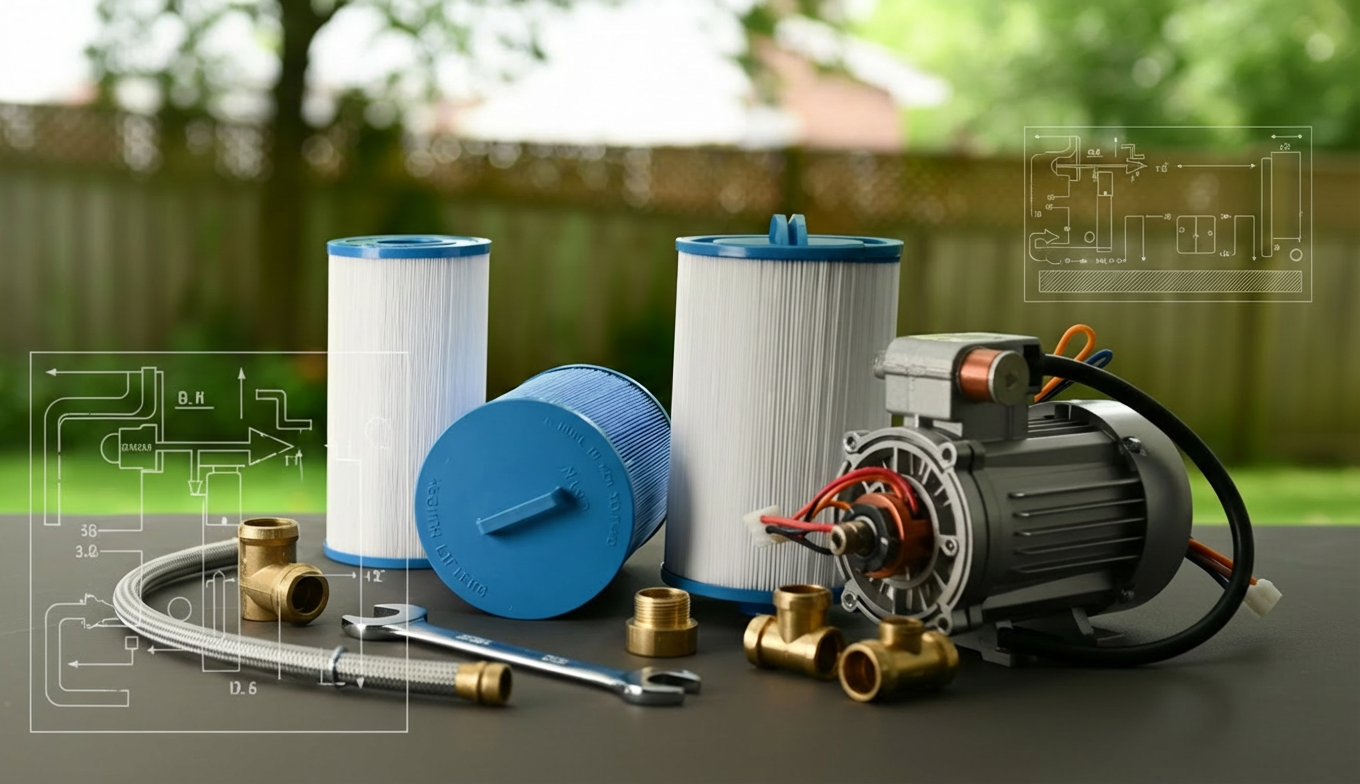
The Truth About Pump Power: Hot Tub Horsepower Explained for Buyers
Learn what hot tub horsepower, GPM, and amps mean, which pump ratings help you compare models, and why a wet test matters before buying.
Big horsepower numbers. Multiple pumps. Promises of powerful jets. When you’re shopping for a hot tub, it can be difficult to know which numbers actually matter.
Does more horsepower mean a better massage? Should you compare water flow instead? And what about the dealer who says it’s all about the amps?
The good news? You don’t need to become a pump expert to make a confident choice. Understanding a few basic ratings can help you compare hot tubs—and keep an impressive number from making the decision for you.
🔎 What You’ll Learn
What continuous, brake, and peak horsepower mean.
Which ratings are most useful when comparing hot tub pumps.
What gallons per minute and amps tell you.
Whether more pumps mean a better massage.
What to check before choosing your hot tub.
Let’s dive in.
⚙️ What Does Hot Tub Horsepower Mean?
Horsepower describes the power produced by the motor that drives your hot tub pump. The pump uses that power to move water through the plumbing and out through the jets.
That makes horsepower useful, but it doesn’t tell the whole story.
The plumbing, jet design, and way water is shared between seats all affect the massage. A larger motor doesn’t automatically make up for a system that distributes water poorly—or jets that miss the spots you want to reach.
When comparing horsepower, start with the continuous rating. When comparing the massage, look at how the whole hot tub performs.
1. Continuous Horsepower: The Best Place to Start Comparing Motor Power
Continuous horsepower describes the power a motor can maintain under its rated operating conditions.
For buyers, this is a useful starting point because it gives you a consistent type of rating to ask for. If one hot tub advertises continuous horsepower and another advertises peak horsepower, the numbers aren’t directly comparable.
Ask the dealer:
“What is the continuous horsepower rating of each jet pump?”
A motor with a higher continuous rating has more sustained power available. Whether you need that additional power depends on the hot tub’s design, including the jets and seating areas it supplies.
You may also see service factor and total horsepower listed. Service factor is a multiplier applied to the motor’s rated horsepower to calculate total horsepower. It describes a permitted loading allowance under specified operating conditions.
You don’t need to turn your showroom visit into a math lesson. Just ask which rating you’re being shown and make sure both dealers are comparing on the same basis.
The goal is a fair comparison—not simply finding the biggest number.
2. Brake and Peak Horsepower: Know What You’re Looking At
Brake horsepower, often shortened to BHP, describes mechanical power delivered through the shaft to drive the pump.
It’s a legitimate measurement, but the term alone doesn’t tell you whether an advertised figure represents sustained operation or some other test condition. Brake horsepower is not automatically the same as peak horsepower.
If a brochure lists peak horsepower, ask what the figure represents and how it relates to the motor’s continuous rating.
A simple question covers both:
“How does that number compare with the pump’s continuous horsepower?”
Until you have an explanation, give an advertised peak figure little weight. Big numbers are good at getting attention. They aren’t quite as good at telling you how your lower back will feel.
💧 3. Gallons per Minute: How Much Water Does the Pump Move?
Gallons per minute, or GPM, tells you how much water the pump moves each minute.
Since moving water is the pump’s job, this can be a useful performance measurement. In fact, comparable GPM figures tell you more directly about water flow than horsepower does.
The key word is comparable.
Water flow changes depending on the plumbing, filters, valves, and jets the pump pushes water through. A maximum GPM figure measured with very little resistance may look impressive, but it may not reflect the flow delivered inside a hot tub.
Think of a garden hose. A long, narrow hose affects the flow differently from a short, wide one. The path the water travels matters.
Ask:
“Are these GPM figures measured at the same pump speed and against the same resistance?”
You may hear that resistance discussed as head. You don’t need to study pump charts to shop for a hot tub, but you do need matching test conditions before treating one flow number as better than another.
If the dealer can’t explain the conditions, don’t let a maximum GPM claim decide your purchase.
And remember: more flow isn’t automatically more comfortable. The jets still need to deliver it where—and how—you want it.
⚡ 4. Amps: Useful Information, but Not a Massage Rating
You may hear that comparing amps is a better way to judge pumps than comparing advertised horsepower. Amp ratings can help someone knowledgeable assess the specifications, but they aren’t a simple shortcut for buyers.
For a meaningful comparison, you also need information such as voltage, motor speed, and the type of amp rating being listed.
Higher amps don’t automatically mean stronger jets, better quality, or better efficiency.
Lower amps don’t automatically mean a lower electric bill, either. Actual energy use depends on how much electrical power the equipment uses and how long it runs, along with the hot tub’s heating needs and insulation.
Treat amps as supporting information. They can help explain the equipment, but they shouldn’t choose your hot tub for you.
🛒 Which Pump Rating Matters Most to a Buyer?
Here’s where I’d focus when comparing models:
| Rating or Comparison | How to Use It When Shopping |
|---|---|
| Continuous horsepower | Start here when comparing sustained motor power. Make sure the ratings use the same basis. |
| GPM under matching conditions | Use it to compare water-moving performance when the resistance and pump speed match. |
| Brake horsepower | Ask what operating conditions the number represents before comparing it. |
| Peak horsepower | Give it little weight unless the manufacturer explains how it relates to sustained performance. |
| Amps | Treat it as supporting electrical information, not a ranking of massage quality. |
| A wet test | Give this the most weight when judging seating comfort and the massage you enjoy. |
For most buyers, continuous horsepower is the practical starting point for comparing motor ratings. When reliable, comparable flow information is available, GPM is more directly useful for understanding how much water a pump moves.
Neither measurement can tell you whether a seat fits your body. That part requires a little sitting down on the job. 🙂
🛁 What Actually Makes a Good Hot Tub Massage?
A good massage depends on the pump, plumbing, and jets working together—and seating that puts you in the right position to enjoy it.
When trying a hot tub, pay attention to these three things.
Jets That Reach the Right Places
Do the jets comfortably reach your back, shoulders, legs, or feet?
A powerful jet isn’t much help if you have to twist sideways to get it where you want it. Check whether you can relax naturally while the jets do their work.
Seat depth and body position matter here, too. What feels great to one person may miss the mark for someone taller or shorter.
Pressure You Can Adjust
Some people enjoy a strong, focused massage. Others prefer a broader, gentler flow.
Try the jet adjustments and controls. Can you find a comfortable setting? Is it easy to change the massage without getting out of your seat?
You want useful adjustment, not a choice between barely noticeable and hold-on-to-your-swimsuit.
Good Performance Across the Seats You’ll Use
Some hot tubs use diverter valves to direct more water toward one seating area.
That can be useful, but check what happens elsewhere when you turn the flow toward your favorite seat. Does another seat lose much of its massage?
Ask the dealer to demonstrate the settings you would use with your spouse, family, or friends. The important question is whether the hot tub performs well the way you plan to use it.
How Much Horsepower—and How Many Pumps—Do You Need?
There isn’t one ideal horsepower number or pump count for every hot tub.
A smaller model may work well with one jet pump. A larger hot tub may use several pumps to supply more jets or separate massage areas.
More pumps can offer additional control, but their number alone doesn’t establish a better massage. Consider which seats they supply and whether those seats can operate the way you want at the same time.
Also, ask whether the advertised total includes a dedicated circulation pump.
A circulation pump primarily moves water for filtration and, depending on the design, heating and water treatment. It serves a different purpose from a jet pump.
Two jet pumps plus a circulation pump is a different setup from three jet pumps. Knowing what’s included makes the comparison much clearer.
✅ Five Questions to Ask Before Buying
You don’t need to arrive at the showroom with a calculator and a clipboard. These five questions will help:
What is the continuous horsepower rating of each jet pump?
What does the advertised horsepower number represent?
If you list GPM, under what conditions was it measured?
How many pumps power the massage jets, and does the total include a circulation pump?
Can I wet test the hot tub with the seating areas we’ll use operating together?
Clear answers are more helpful than another impressive specification.
💦 Why a Wet Test Matters
A wet test lets you try a filled, operating hot tub before you buy it. It’s where the numbers on the brochure turn into something you can actually feel.
Start by sitting naturally in each seat. Do the jets reach the areas you want massaged, or do you have to slide down, lean forward, or twist around to find them? A strong jet doesn’t do much for your shoulders if it’s aimed halfway down your back.
Then try the controls. Turn individual jets where adjustment is available, change pump speeds, and ask the dealer to demonstrate the diverter valves. You should be able to find a massage you enjoy without spending the whole soak adjusting it.
Try the hot tub the way you’ll use it at home.
If you usually soak with someone else, bring them along when possible. Run the seating areas you’ll use together. Directing more water toward one seat may reduce the flow somewhere else, and that’s something you want to discover before delivery day.
Pay attention to:
- Seat fit: Can you sit comfortably with your feet supported?
- Jet placement: Does the massage reach the spots you care about?
- Adjustment: Can you make the massage gentler or stronger to suit you?
- Stability: Can you relax without sliding or floating out of position?
- Shared performance: Do the seats you’ll use together provide a satisfying massage at the same time?
If the exact model isn’t available for a wet test, ask how the demonstration model differs in seating, pumps, and jet layout. It can still help, but it won’t tell you exactly how another model will feel.
For comfort and massage, a wet test should carry more weight than a horsepower claim. Your shoulders don’t read the brochure. They just know what feels good.
❓ Common Questions About Hot Tub Horsepower
Does More Horsepower Mean Stronger Jets?
More motor power can support greater pumping capacity, but the pump design, plumbing, and jets determine how that power is used. A larger advertised number doesn’t guarantee stronger jets or a more enjoyable massage.
Is GPM More Useful Than Horsepower?
For comparing water flow, yes—when the figures are measured at the same resistance and pump speed. Without that context, a maximum GPM claim can be just as difficult to compare as an unexplained horsepower rating.
Can I Compare Hot Tub Pumps by Their Amps?
Amps can provide useful background, but you need other electrical and motor information to interpret them. They aren’t a reliable shortcut for choosing the best massage.
Are Two Jet Pumps Better Than One?
Two pumps may provide separate massage areas or more control. Whether that helps you depends on the hot tub’s design and how you use it. A well-matched single-pump system may be enough for your needs.
🧠 Final Thoughts
Hot tub pump ratings don’t have to be confusing once you know what to look for.
Start with continuous horsepower when comparing motor power. Use GPM to compare flow when the testing conditions match. Keep amps as supporting information, and ask for an explanation of brake or peak horsepower claims.
Then spend time checking the seats and massage.
The right pump setup is the one that supports the experience you want—comfortable seating, an adjustable massage, and satisfying performance in the areas you’ll use. That’s worth more than winning the horsepower contest. 💧
🛁 Ready to Compare More Than Horsepower?
Pump ratings are one part of choosing a hot tub. Seating, insulation, water care, installation, and dealer support all affect how much you’ll enjoy owning it.
Our buying guide helps you work through those decisions, with practical questions to ask and features to try before choosing your hot tub.
Looking for Another Hot Tub Answer?
Search The Hot Tub Report for more water care, troubleshooting, and buying advice.
Trusted Links & References
A Little More Hot Tub Know-How, Delivered
Get practical water care tips, maintenance advice, and helpful reports delivered right to your inbox. It’s free, and it’s all about making hot tub ownership a little easier.
HOT TUB CONCIERGE SERVICE
Need a Little More Help?
Sometimes a little one-on-one guidance makes all the difference.
Whether you’re shopping for a hot tub, troubleshooting a water problem, or just looking for some expert advice, I’m here to help.
Get personalized guidance during a 30-minute Hot Tub Concierge consultation.
Recommended Reads From The Hot Tub Report
Looking for more helpful advice? Explore these related reports for additional hot tub tips, practical guidance, and answers to common ownership questions.
💬 Join the Conversation!
Have a question, a helpful tip, or a hot tub experience to share? Drop a comment below! We’re here to help each other enjoy better hot tub ownership.
Please keep comments friendly, helpful, and on topic.