The Jet Count Myth: Power, Efficiency & Smart Design
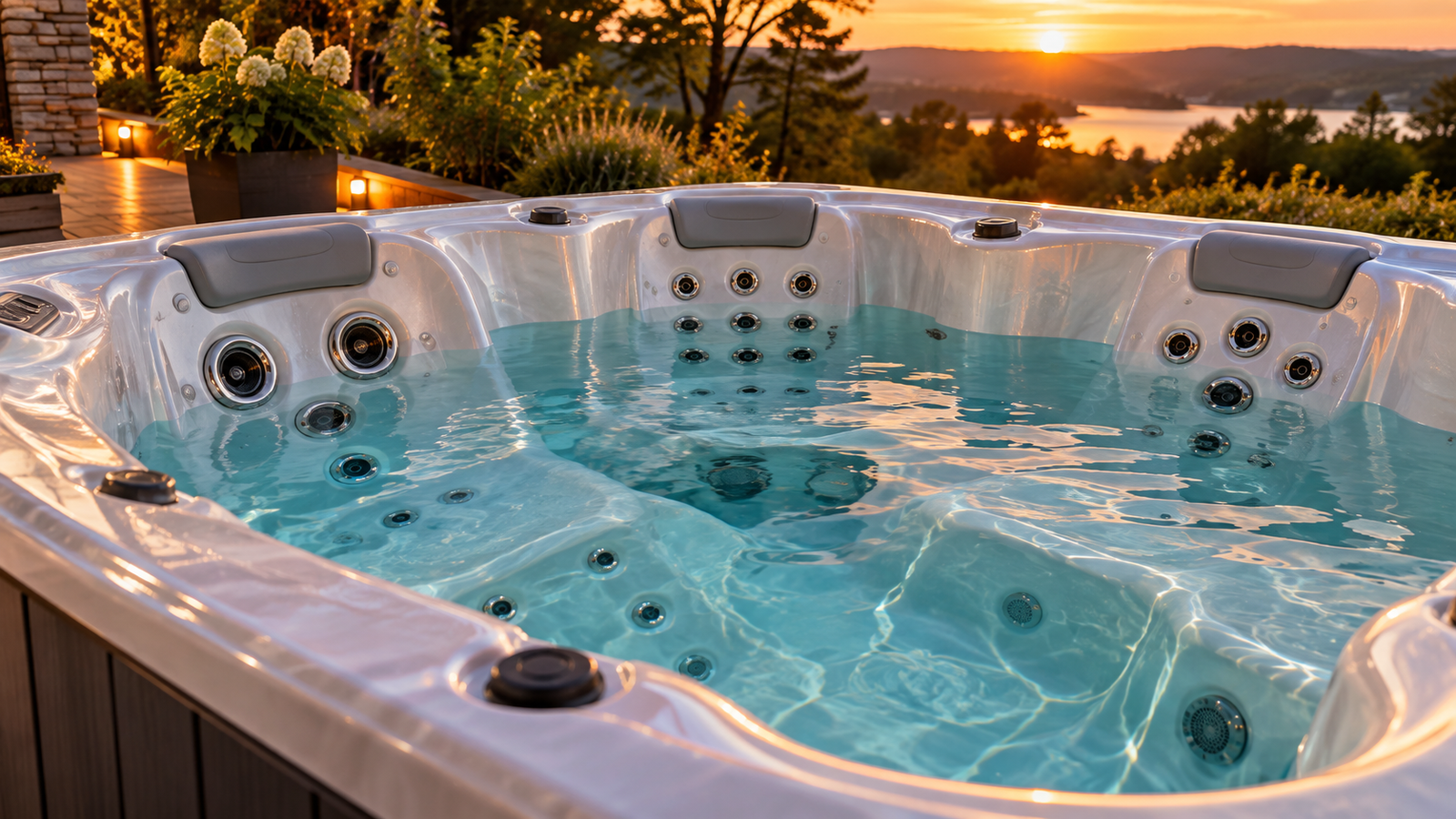
The Jet Count Myth: How Many Jets Should Your Hot Tub Have?
When you’re comparing hot tubs, jet count is an easy number to notice. One model has 30 jets, another has 60, and a third has more than 100. It’s tempting to assume the one with the most jets will give you the best massage.
But the number alone doesn’t tell you how those jets will feel—or whether they’ll reach the areas you want them to.
Massage quality depends on how the pumps, plumbing, jets, and controls work together. Seating matters just as much. A well-placed jet for one person may miss the mark for someone taller or shorter.
More jets can provide additional coverage or different massage options. Fewer jets can also deliver a satisfying experience. Neither count guarantees comfortable pressure, efficient operation, or a massage you’ll enjoy.
In this report, we’ll look at what jet count leaves out, which features deserve a closer look, and what to try during a wet test before choosing your hot tub.
What This Report Reveals
Why jet count alone doesn’t tell you how a massage will feel
How pumps, plumbing, and jets work together
What jet size, spray pattern, and placement mean for your comfort
How seating fit and massage controls affect everyday enjoyment
Why pump count alone can’t predict operating costs
What Hot Spring and Bullfrog illustrate about different massage designs
What to compare during a wet test before buying
❌ Why Jet Count Doesn’t Tell You Much
A jet count tells you how many jets are listed for the hot tub. It doesn’t tell you how they’re distributed, what kind of massage they provide, or how many you’ll use in your favorite seat.
A higher count might include clusters of small jets, foot jets, or additional seating positions. A lower count might include jets that cover a broader area or move the stream of water. Those differences matter more than the total.
Look at the Seats You’ll Actually Use
Imagine comparing two hot tubs. One has more jets overall, but most of the extras are in seats you rarely expect to use. The other has fewer jets, yet its main seat reaches your back and legs comfortably.
You may prefer the second tub. Someone who wants several distinct massage seats for family use may prefer the first. Neither choice can be settled by counting jets.
More Pressure Isn’t Always More Comfortable
A concentrated stream can feel intense, while a broader stream may feel gentler over a larger area. What feels good depends on your preferences, where the jets meet your body, and how much adjustment is available.
During a wet test, try both a stronger setting and a lighter one. Notice whether you can settle into the seat and enjoy the massage without shifting around or bracing yourself.
Use jet count to understand the layout, then let comfort and usable performance guide the comparison.
⚡ Pump Size and Number of Pumps
The pumps supply water to the jets, but their size and number don’t tell the whole story. What matters is how well they match the plumbing, jet requirements, and massage zones they serve.
Two pumps aren’t automatically better than three, and a larger pump isn’t automatically more efficient. Different hot tubs divide the work differently.
Look at What Each Pump Does
One pump may supply several seats through a diverter valve, while another design uses separate pumps for different massage zones. A dedicated circulation pump generally handles filtration and heating flow rather than powering the main massage jets.
Ask the dealer which pumps serve which seats. That helps you understand what you can adjust independently and what happens when several people want different massage settings.
Match Pump Performance to the Jet System
A pump’s water output depends partly on the resistance it works against. Plumbing layout, pipe sizes, fittings, and the jets themselves all affect that resistance.
That’s why horsepower alone can’t tell you how the massage will feel. Even water-flow figures need comparable operating conditions to make a useful comparison.
A well-matched system supplies the intended jets with appropriate flow across its operating settings. Simply adding a larger pump doesn’t establish that the design is better.
Try the Combination You’ll Use at Home
During a wet test, ask to run the seats and massage zones you expect to use together. Adjust the diverters and individual controls, then notice what changes elsewhere in the tub.
Can two people enjoy their preferred settings at the same time? Does directing more flow to your favorite seat reduce the massage in another? Can you turn the intensity down comfortably?
Those answers are more useful than choosing whichever hot tub lists the most pumps or the highest horsepower.
⭐ How Pumps Affect Operating Costs
Pump count tells you how much equipment is installed, but it doesn’t tell you how much electricity that equipment will use. Running costs depend on each pump’s electrical draw, operating speed, and how long it runs.
Three pumps used selectively won’t necessarily consume more energy than two pumps running longer or drawing more power. Compare how the complete system operates during filtration and soaking.
Separate Filtration From Massage
Some hot tubs use a dedicated circulation pump for filtration and heating flow. Others use the low-speed setting of a two-speed jet pump.
Those arrangements have different power requirements and schedules. A small circulation pump may run for many hours while drawing relatively little power; a massage pump may draw considerably more but operate for shorter periods.
Ask how the model circulates water between soaks and which pumps run during a typical massage session.
Compare Energy Use, Not Just Running Hours
Electricity consumption is measured in kilowatt-hours. A pump drawing 1 kilowatt for one hour uses 1 kilowatt-hour. To estimate its electricity cost, multiply that consumption by your electricity rate.
Horsepower ratings alone don’t provide the electrical input needed for that calculation. Ask for model-specific energy information, and remember that heating and other equipment also contribute to the bill.
Consider Noise and Future Service
Additional pumps mean additional components that may eventually need servicing. That’s worth considering, but it doesn’t prove the hot tub will be noisier, less reliable, or more expensive to own.
Listen with the pumps running at the settings you expect to use. Ask about service access, warranty coverage, and replacement costs.
Choose a pump arrangement that delivers the control and massage you want, then assess its operating costs using actual equipment information.
✈️ Jet Size and How the Massage Feels
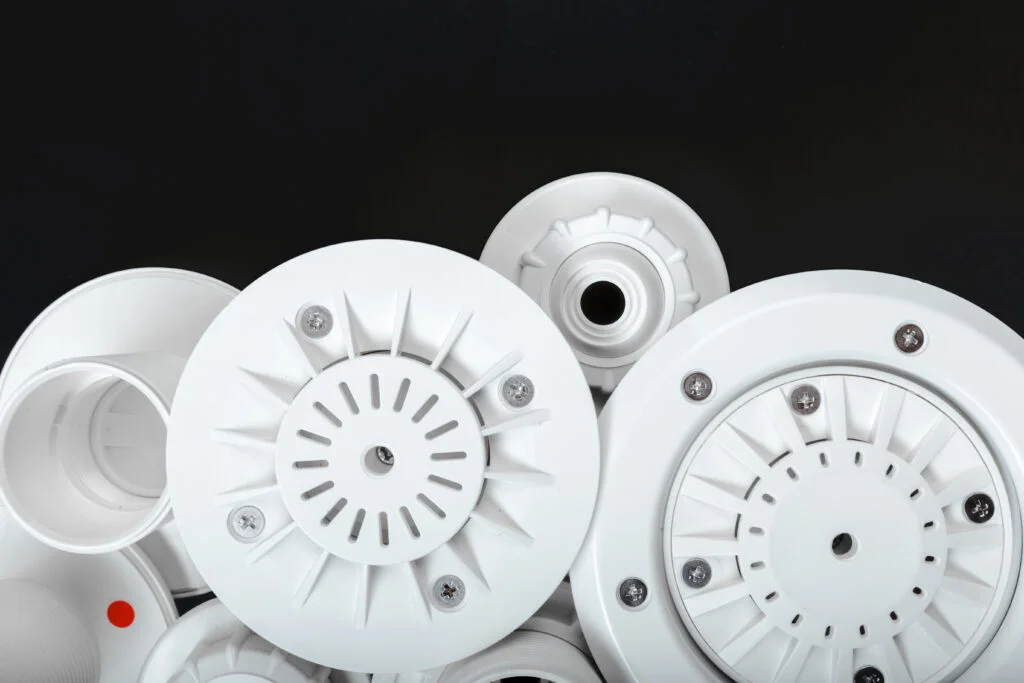
Jet size can help you understand the massage options, but the visible face of a jet doesn’t tell you exactly how much water it moves or how intense it will feel.
The nozzle, spray pattern, water flow, and distance from your body all influence the sensation. A large-looking jet isn’t automatically stronger, and a small jet isn’t necessarily weak.
Broad Coverage or a Concentrated Stream?
Some jets spread water across a wider area, while others direct a narrower stream toward a particular spot. You might enjoy broader coverage across your back and a more concentrated sensation around your feet.
Neither approach is better for everyone. A focused stream that feels satisfying to one person may feel uncomfortable to another, especially when it lands near a sensitive area.
Placement Matters as Much as Size
A jet can only provide the massage you want if it reaches the right place. Seat depth, backrest shape, and your height affect where the water meets your body.
Check whether you can sit naturally while the jets reach the areas you want to massage. If you have to slide down, twist, or hold yourself in position, a different seat may suit you better.
Check the Adjustment Range
During a wet test, try the controls and notice how much you can change the sensation. Depending on the design, you may be able to adjust direction, water flow, or air mixing.
Look for a comfortable range you’ll actually use. The goal is a massage you enjoy—not the largest jet face or the strongest stream in the showroom.
Jet Types: Different Patterns, Different Sensations
Two seats with similar jet counts can feel quite different. Some jets provide a steady stream, while others move the water or vary the sensation across an area.
The names manufacturers use aren’t always consistent, so ask the dealer to demonstrate what each design actually does.
Directional Jets
Directional jets let you aim the stream within their adjustment range. That can help you move the massage toward an area you prefer, although the seat and jet location still need to suit your body.
Try adjusting them while seated normally. Notice whether you can reach a comfortable position without twisting or sliding.
Rotating and Moving Jets
Some designs rotate the stream or move it across part of your back. This creates a changing sensation rather than keeping the water focused on one spot.
Check how the movement feels at different settings. You may enjoy a sweeping pattern, prefer a steady stream, or want different options in different seats.
Pulsating Jets
Pulsating designs vary the stream to produce a rhythmic sensation. The strength and feel depend on the particular jet and the settings supplying it.
Try them long enough to decide whether the rhythm feels relaxing. A feature that catches your attention during a quick demonstration may not be your favorite for an entire soak.
Clusters of Smaller Jets
Groups of smaller jets can provide several contact points across an area. Their spacing and alignment determine where you feel the streams.
More contact points don’t automatically mean better coverage for your body. Check whether the arrangement feels comfortable and whether you can adjust the intensity.
Choose the Patterns You Enjoy
You don’t need every jet type to get a satisfying massage. A useful mix gives you options you’ll actually use.
During a wet test, move between seats and compare the patterns at comfortable settings. Let what you feel guide the choice rather than treating a feature name as a promise of a particular therapeutic result.
⛽️ When the Pumps, Plumbing, and Jets Don’t Work Well Together
A high jet count isn’t automatically a problem. A hot tub can have plenty of jets and deliver a satisfying massage when the pumps and plumbing are designed to supply them.
The useful question is whether the system delivers the massage you want in the seats you’ll use.
Water Has to Reach the Right Places
Water flow depends on the pump’s performance and the resistance through the plumbing and jets. Adding outlets changes that relationship, but it doesn’t tell you the result without considering the rest of the design.
Some hot tubs divide flow among several seats. Others use separate pumps or diverter valves to give you more control over particular zones. Each arrangement has tradeoffs worth trying.
Check What Happens When You Share the Massage
During a wet test, ask to operate the seats you expect to use together. If directing more flow to one seat reduces it elsewhere, decide whether that matters for your household.
Someone who usually soaks alone may enjoy concentrating the massage in a favorite seat. Two people who prefer different settings may value more independent control.
Neither arrangement is automatically better. What matters is whether it works for the way you’ll use the tub.
A Gentle Jet Doesn’t Prove the Pump Is Struggling
A softer massage may reflect the jet pattern, control settings, or how flow is distributed. It doesn’t, by itself, prove that a pump is undersized, using excessive electricity, or likely to fail.
Ask the dealer to demonstrate the adjustments before judging the performance. Then compare how the massage feels with the relevant jets open and the controls set for normal use.
Choose a system that gives you comfortable, usable performance across your preferred seats. The total number of jets is only one detail in that comparison.
Two Different Approaches to Massage Design
Hot Spring and Bullfrog offer useful examples of how manufacturers approach massage design differently. Looking at their features can help you see what a jet count leaves out.
On equipped models, Hot Spring offers moving jets and controls that direct water to different jet groups. Bullfrog’s JetPak system offers interchangeable massage backrests for compatible seating stations.
These features give you different ways to personalize the massage, but neither approach guarantees a better fit or lower operating costs. Availability also varies by model and collection.
Use the examples below to decide what you’d like to try during a wet test. Pay attention to the seats, adjustments, and massage patterns you enjoy—not just the feature names.
♨️Hot Spring: Moving Jets and Massage Zones
Hot Spring offers different jet arrangements across its collections. Two features worth trying on equipped models are Moto-Massage DX and SmartJet. They illustrate why a simple jet count can miss important differences in how a massage feels.
Moto-Massage DX
Moto-Massage DX uses two moving streams of water that sweep up and down your back. That creates a different sensation from jets aimed continuously at fixed spots.
During a wet test, notice where the moving streams reach and whether the seat holds you comfortably in position. Try the available adjustments and decide whether you enjoy the movement throughout a soak.
Check the exact model’s specifications. Not every Hot Spring hot tub includes Moto-Massage DX, and the original Moto-Massage is a different version.
SmartJet Controls
On equipped models, SmartJet lets you direct water flow to different jet groups. This gives you control over where the massage is concentrated.
Ask the dealer to demonstrate each setting while you try the seats. If two people will regularly soak together, check whether both can enjoy their preferred massage at the same time. Directing flow toward one group may change what’s available elsewhere.
Judge the Features in the Water
These features offer things to compare beyond the total number of jets. They don’t establish that every Hot Spring model delivers a better massage or uses less electricity than another hot tub.
Start with seating fit and the sensations you enjoy, then assess energy use using information for the specific models on your shortlist.
🧩 Bullfrog: Customizable Massage With JetPaks
On equipped Bullfrog models, the JetPak system uses interchangeable massage backrests that fit designated seating stations. Different JetPaks offer different jet arrangements and sensations, giving you options beyond the layout of a conventional fixed backrest.
That flexibility can be useful if you want to choose a favorite massage or give regular users different options.
Check What Fits the Model
Don’t assume every Bullfrog model, seat, or JetPak supports the same interchangeability. Ask the dealer which JetPaks are compatible with the exact collection and model year you’re considering.
Confirm how many are included, where they can be installed, and what additional or replacement JetPaks cost. Have the dealer demonstrate the approved removal and installation procedure.
Understand the Plumbing Approach
The JetPak design groups the backrest jets into modules, changing how water is delivered compared with individually plumbed jets.
If reduced plumbing is part of the sales presentation, ask what the comparison covers and whether it applies to the model you’re buying. Less plumbing alone doesn’t establish how strong the massage will feel or what the complete hot tub will cost to operate.
Try More Than One JetPak
During a wet test, compare several compatible JetPaks rather than choosing by appearance or jet count. Notice the coverage, intensity, and how the streams line up with your back and shoulders.
The seat beneath the JetPak matters, too. Seat depth, body position, and foot space still affect comfort, even when the backrest can be changed.
Decide What the Flexibility Is Worth to You
Customization is most useful when the available choices include massages you enjoy. Ask to try the settings and seats you expect to use together, then compare the overall experience with other hot tubs on your shortlist.
Treat JetPak flexibility as a feature to evaluate alongside comfort, controls, service support, and total ownership costs.
❓How Many Jets Should Your Hot Tub Have?
There isn’t one ideal number. The right layout gives you comfortable coverage, useful adjustments, and seats you enjoy using. A higher count may offer more massage options, but it doesn’t tell you whether those options suit you.
Instead of setting a minimum jet count, bring these questions to a wet test.
Do the Jets Line Up With Your Body?
Sit naturally in the seats you expect to use most. Notice whether the streams reach your preferred areas without requiring you to slide down, twist, or brace yourself.
Try different seat depths and backrest shapes. A jet arrangement that fits one person may land differently for another.
Can You Adjust the Massage Comfortably?
Test stronger and gentler settings. Check which jets can be aimed or adjusted, how air controls change the sensation, and whether the controls are easy to reach.
You should be able to find settings you enjoy, rather than simply tolerate the strongest demonstration.
What Happens When Several Seats Are Running?
Ask to operate the massage zones you expect to use together. Move the diverters and notice how the flow changes between seats.
If another household member will use the hot tub regularly, test it together. Find out whether you can both get a satisfying massage at the same time.
Do You Enjoy the Different Patterns?
Compare steady, moving, rotating, or pulsating streams where available. Spend enough time in each seat to decide whether the pattern feels comfortable beyond the first few seconds.
A feature doesn’t need to be elaborate to become your favorite.
How Does the Whole Experience Feel?
Listen to the pumps and moving water at your preferred settings. Check foot space, ease of changing seats, and whether you stay comfortably in position with the jets running.
The best jet count is the one that comes with a hot tub you enjoy using. Let the wet test explain what the specification sheet can’t.
🧠 Final Thoughts
Jet count is easy to compare, but it only tells you part of the story. The pumps, plumbing, jet patterns, controls, and seating all contribute to the massage you feel.
More jets may give you coverage or options you appreciate. Fewer jets may provide everything you want. Neither is a shortcut to judging comfort, quality, or running costs.
Try the seats, adjust the massage, and run the zones you expect to use together. If the hot tub feels comfortable and gives you useful control, that tells you far more than a number in the brochure.
💬 Find the Hot Tub That Fits You
Ready to compare your shortlist? Our Hot Tub Buying Guide walks through seating, features, installation, and dealer questions to help you decide what’s worth paying for—and what matters most to your everyday enjoyment.
Looking for Another Hot Tub Answer?
Search The Hot Tub Report for more water care, troubleshooting, and buying advice.
Trusted Links & References
These manufacturer resources explain the massage features discussed in this report. Feature availability and compatibility vary by model, collection, and year.
Manufacturer descriptions help explain how features work. They don’t establish that one design will feel better to every buyer or cost less to operate. Confirm specifications for your shortlisted models and compare their performance during a wet test.
A Little More Hot Tub Know-How, Delivered
Get practical water care tips, maintenance advice, and helpful reports delivered right to your inbox. It’s free, and it’s all about making hot tub ownership a little easier.
HOT TUB CONCIERGE SERVICE
Need a Little More Help?
Sometimes a little one-on-one guidance makes all the difference.
Whether you’re shopping for a hot tub, troubleshooting a water problem, or just looking for some expert advice, I’m here to help.
Get personalized guidance during a 30-minute Hot Tub Concierge consultation.
Recommended Reads From The Hot Tub Report
Looking for more helpful advice? Explore these related reports for additional hot tub tips, practical guidance, and answers to common ownership questions.
💬 Join the Conversation!
Have a question, a helpful tip, or a hot tub experience to share? Drop a comment below! We’re here to help each other enjoy better hot tub ownership.
Please keep comments friendly, helpful, and on topic.