Hot Tub Circulation Pumps
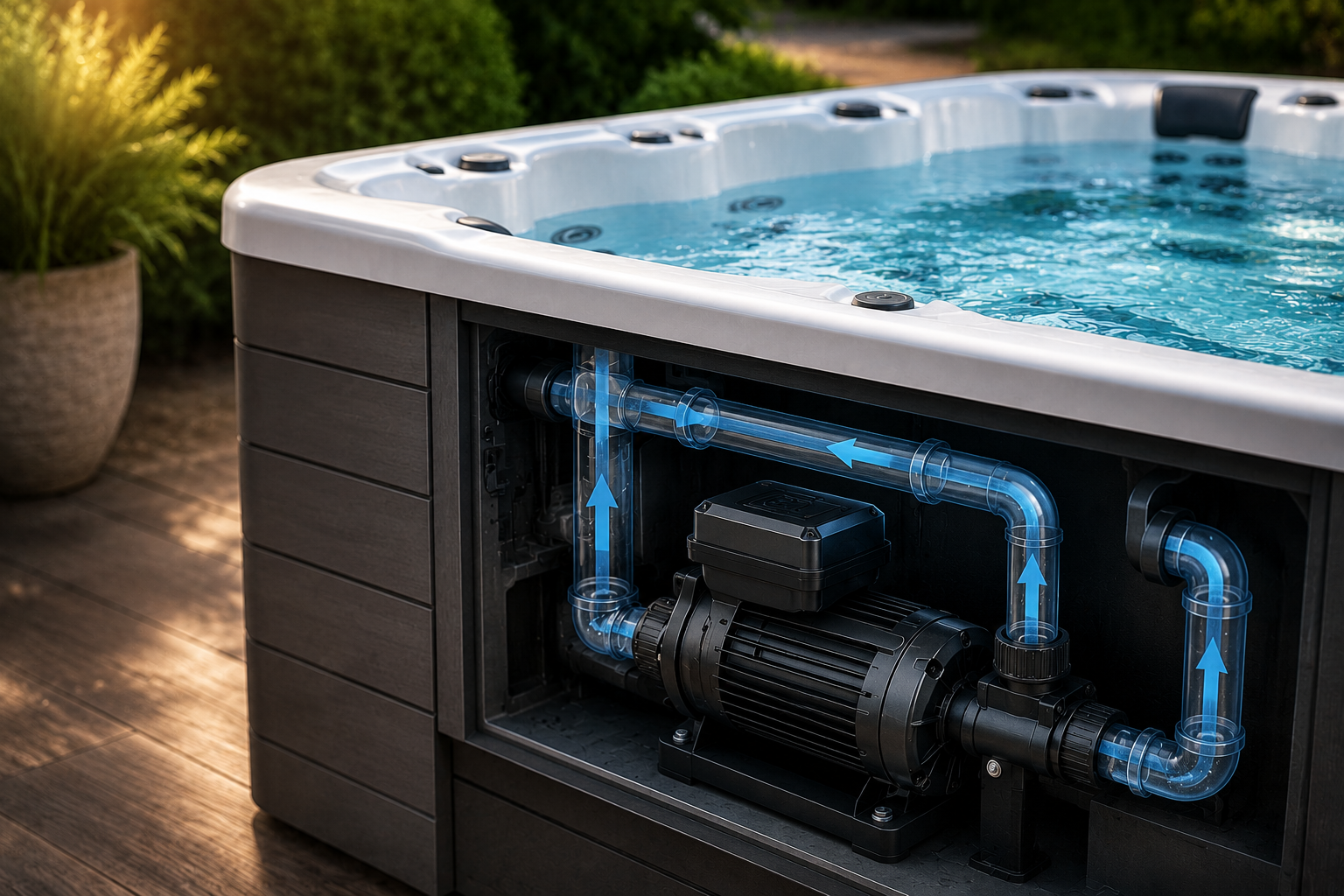
How Hot Tub Circulation Pumps Support Filtration, Heating, and Water Care.
A hot tub circulation pump—often called a circ pump—is a small, energy-efficient pump designed to move water through important parts of your hot tub, including the filtration system, heater, and, depending on the hot tub, ozone or other supplemental water-care systems.
It’s also one of my favorite hot tub features.
Why?
Because a well-designed circulation system quietly works behind the scenes to help keep your water filtered, heated, and ready to use without relying entirely on your larger jet pumps.
But do you actually need one?
Not necessarily.
Plenty of hot tubs operate very well without a dedicated circulation pump. What matters most is how the manufacturer designed the entire filtration, heating, and circulation system.
What You’ll Learn in This Report
By the end of this report, you’ll understand:
What a circulation pump does for filtration, heating, and supplemental water care.
How hot tubs with and without dedicated circulation pumps handle those jobs.
The difference between continuous and programmed circulation.
How pump wattage and operating time affect energy use.
The benefits, maintenance needs, and replacement costs to consider.
What to ask when deciding whether a circulation pump belongs on your shopping list.
💧 What Does a Hot Tub Circulation Pump Do?
Unlike a jet pump, which is designed to create powerful hydrotherapy, a circulation pump has one simpler job: keep water moving efficiently through the systems that maintain your hot tub.
Depending on the hot tub, a circ pump may:
- Move water through the filters
- Provide water flow through the heater
- Support ozone or other supplemental water-care systems
- Provide extended or continuous circulation
- Reduce reliance on the larger therapy pumps
🌀 Filtration
One of the biggest advantages is extended filtration.
Some circulation pumps operate 24 hours a day, continuously moving water through the filtration system even when you’re not using the hot tub.
For me, that’s an important part of hot tub ownership.
When I want to use my hot tub, I want it to be clean, hot, and ready to go. I don’t want to spend 20 minutes preparing for a 20-minute soak.
🔥 Heating
Your heater needs water flowing through it to transfer heat into the hot tub water.
On hot tubs with a dedicated circulation system, the circ pump provides that flow, allowing the heater to maintain your selected temperature without relying entirely on the larger therapy pump.
💦 Ozone and Supplemental Water Care
A circulation pump can also support systems such as ozone by continuously or periodically moving water through the treatment system.
Keep in mind that ozone and similar technologies are supplemental water-treatment systems. They don’t eliminate the need for an approved sanitizer and proper water chemistry.
⏱️ 24/7 vs. Programmable Circulation Pumps
Not every dedicated circulation pump follows the same schedule. Some systems are designed for continuous operation, while others run during programmed cycles or when heating is needed.
Continuous-circulation systems typically use a small pump to move water over long periods. However, “24-hour circulation” doesn’t always mean the pump runs without interruption. Depending on the controls, it may pause under certain conditions, such as when the water rises above the selected temperature.
Other systems use scheduled circulation cycles, with additional operation determined by heating needs and the manufacturer’s programming.
Both approaches can work well. When comparing hot tubs, ask when the circulation pump runs, what can cause it to stop, and how its schedule supports filtration, heating, and any supplemental water-care equipment.
🔄 How Do Hot Tubs Without Circulation Pumps Work?
Many hot tubs use the low-speed setting of a two-speed jet pump for filtration and heating. When you turn on the massage jets, that same pump switches to high speed.
The controls run the pump according to the hot tub’s filtration schedule and heating needs. This allows one pump to handle routine water movement and massage, reducing the number of separate components in the equipment compartment.
It’s a proven approach that can work well. What matters is whether the system provides effective filtration, maintains temperature, and operates efficiently for the way you use the hot tub.
Less Routine Work for the Main Pump
A dedicated circulation pump can take routine filtration and heating-flow duties off the main jet pump, reducing the hours that larger pump needs to run.
That lighter workload may mean less wear and could help the main pump last longer. It isn’t a guarantee—pump life also depends on equipment quality, water care, operating conditions, and maintenance.
For me, it’s another practical benefit worth considering. The trade-off is having a separate circulation pump that may eventually need service or replacement, so ask about replacement cost and service access when comparing models.
⚖️ Circ Pump vs. Jet Pump
A dedicated circulation pump handles routine water movement, while a jet pump provides the flow for massage. In some hot tubs, a two-speed jet pump does both jobs.
Circulation Pump
Moves water through the filtration and heating circuit.
Supports compatible supplemental water-care equipment.
Typically operates at lower flow and power than a jet pump.
May run continuously or according to the system’s programming.
Jet Pump
Provides the higher water flow needed for massage.
May also handle filtration and heating on low speed in a two-speed setup.
Operates according to the hot tub’s controls, heating needs, and filtration schedule.
Both approaches can work well. The useful comparison is how the complete system handles filtration, heating, massage, energy use, and maintenance—not simply whether it has a separate circulation pump.
⚡ Are Circulation Pumps More Energy Efficient?
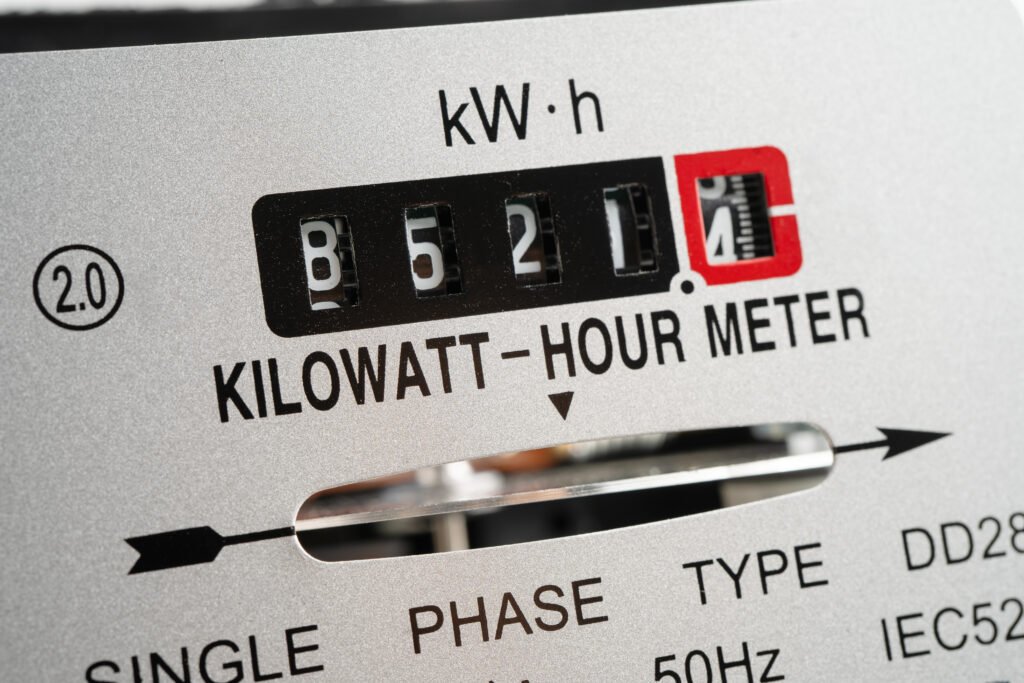
A small circulation pump can use considerably less electricity while operating than a large therapy pump running at low speed.
But don’t compare pump wattage alone.
A low-wattage circulation pump might run 24 hours a day, while a larger pump may operate only during scheduled filtration and heating cycles.
Total hot tub energy consumption also depends on:
- Insulation
- Climate
- Cover quality
- Water temperature
- Heater operation
- Filtration programming
- Plumbing design
- Hot tub usage
Instead of focusing on one pump’s wattage, look at the overall energy efficiency of the complete hot tub.
✨ Can a Circ Pump Keep Water Cleaner?
It can certainly help.
The more frequently water passes through a well-designed filtration system, the more opportunities the filters have to capture contaminants.
But a circulation pump doesn’t guarantee clean water.
You still need proper sanitizer levels, balanced water chemistry, clean filters, regular water replacement, and good maintenance habits.
Circulation is an important part of water care—but it’s still only one part.
🌡️ Does a Circulation Pump Make a Hot Tub Heat Faster?
Not necessarily. A dedicated circulation pump provides water flow through the heater, but having one doesn’t automatically mean the hot tub will heat faster.
Heating speed depends largely on heater output, water volume, starting temperature, and how much heat escapes through the cover and cabinet. Electrical configuration also matters, including whether the heater can operate while the massage jets are running.
Think of the circulation pump as supporting the heating system. Its presence alone won’t tell you how quickly the water will warm up or recover after a soak.
🔌 Do Plug-and-Play Hot Tubs Have Circ Pumps?
A hot tub’s voltage alone doesn’t tell you whether it has a dedicated circulation pump. That depends on how the manufacturer designed and equipped the model.
Many plug-and-play hot tubs use the low-speed setting of their primary pump for filtration and heating. Others include a separate circulation pump to handle those duties.
When comparing models, ask how each one circulates and filters the water—and whether the heater can operate while the massage jets are running. Those answers tell you more about everyday use than the plug-and-play label alone.
✅ Advantages of a Hot Tub Circulation Pump
A well-designed circulation system can provide:
- Extended or continuous filtration
- Dedicated water flow through the heater
- Support for compatible ozone systems
- Quiet operation
- Lower operating wattage than larger therapy pumps
- Less reliance on the primary jet pump
- Support for keeping the water filtered, heated, and ready to use.
For me, that last benefit is the biggest one. I want my hot tub ready when I am.
⚠️ Are There Any Disadvantages?
There are a few tradeoffs.
A dedicated circulation pump means:
- Another component in the equipment compartment
- Additional initial cost
- Another pump that can eventually require service or replacement
- Additional plumbing and equipment
That’s why I wouldn’t reject a hot tub simply because it doesn’t have a circulation pump.
Instead, I’d ask:
How does this hot tub accomplish the same jobs without one?
That’s a much better buying question.
👍 Is a Hot Tub Circulation Pump Worth It?
For me, absolutely.
I’ve owned a Hot Spring spa with a dedicated circulation system for many years, and
I’ve always appreciated the idea that the hot tub is constantly working behind the scenes.
The water is circulating and being filtered. The heating system has the flow it needs, and supplemental water-care equipment can operate as designed.
When I decide to use my hot tub, I want to open the cover and get in.
But that doesn’t mean everyone needs a circulation pump.
If you’re shopping at an entry-level price point, considering a plug-and-play hot tub, or looking at a hot tub with a well-engineered alternative filtration system, you may decide it’s unnecessary.
🛒 Questions to Ask When Shopping
Instead of simply asking, “Does this hot tub have a circulation pump?”, ask:
- Does it operate 24/7 or on programmed cycles?
- What is the circulation pump’s rated power draw in watts, and how many hours does it normally run each day?
- How much water is filtered each day?
- Does the circ pump provide flow through the heater?
- Does it operate the ozone or supplemental water-care system?
- What happens if the circulation pump fails?
- What does a replacement pump cost?
- If there isn’t a circ pump, how does the hot tub handle filtration and heating?
- How energy efficient is the complete hot tub?
Those questions tell you much more than checking a feature box on a brochure.
🧠 Final Thoughts
So, do you need a circulation pump?
No.
A hot tub can filter, heat, and maintain its water without one.
Would I personally want one?
Yes.
A well-designed circulation system can provide extended or continuous filtration, maintain water flow through the heater, support compatible supplemental water-care systems, and reduce reliance on larger therapy pumps.
That’s why a dedicated circ pump remains one of my favorite hot tub features.
But don’t buy a hot tub simply because the brochure says “24-hour circulation pump.”
Ask how the complete system works.
Because whether we’re talking about circulation pumps, jets, horsepower, filtration, insulation, or water care, the same rule applies:
Good hot tub engineering matters more than any single feature on the specification sheet.
🤝 Need Help Comparing Hot Tub Features?
A circulation pump is one feature worth considering, but it’s only part of choosing a hot tub you’ll enjoy owning. Seating comfort, massage, water care, operating costs, and dealer support all deserve a closer look.
Read Buying a Hot Tub: A Clear, Honest Guide for practical questions to ask, details to compare, and a checklist to help you narrow down your options before buying.
Looking for Another Hot Tub Answer?
Search The Hot Tub Report for more water care, troubleshooting, and buying advice.
A Little More Hot Tub Know-How, Delivered
Get practical water care tips, maintenance advice, and helpful reports delivered right to your inbox. It’s free, and it’s all about making hot tub ownership a little easier.
HOT TUB CONCIERGE SERVICE
Need a Little More Help?
Sometimes a little one-on-one guidance makes all the difference.
Whether you’re shopping for a hot tub, troubleshooting a water problem, or just looking for some expert advice, I’m here to help.
Get personalized guidance during a 30-minute Hot Tub Concierge consultation.
Recommended Reads From The Hot Tub Report
Looking for more helpful advice? Explore these related reports for additional hot tub tips, practical guidance, and answers to common ownership questions.
💬 Join the Conversation!
Have a question, a helpful tip, or a hot tub experience to share? Drop a comment below! We’re here to help each other enjoy better hot tub ownership.
Please keep comments friendly, helpful, and on topic.