Hot Tub Circulation Pumps
♻️ Hot Tub Circulation Pumps Explained: What They Do & Do You Need One?
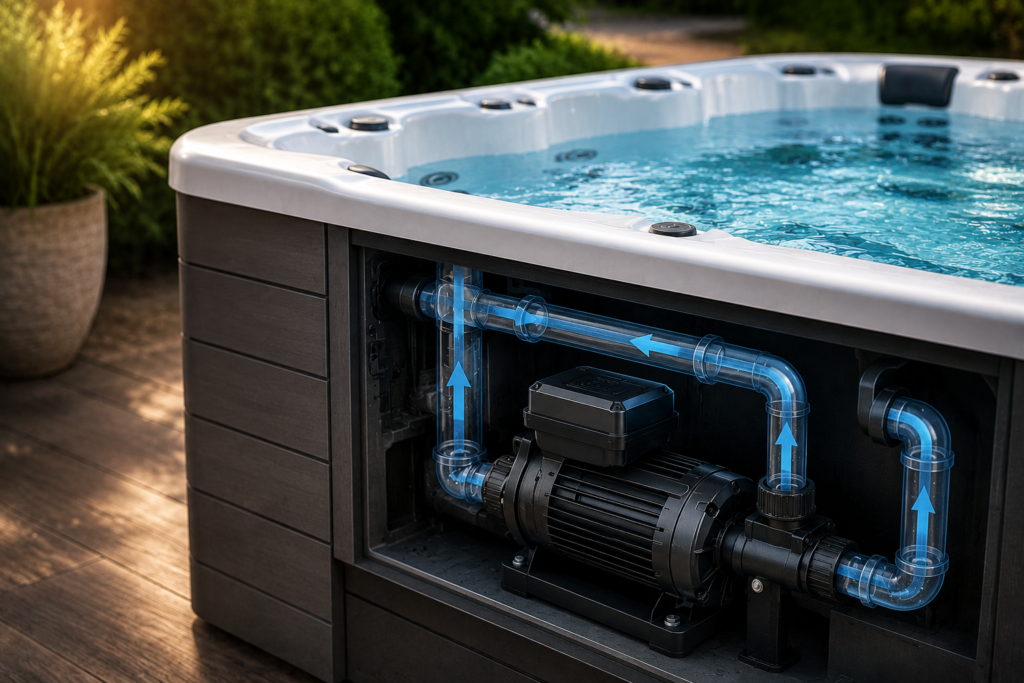
A hot tub circulation pump—often called a circ pump—is a small, energy-efficient pump designed to move water through important parts of your hot tub, including the filtration system, heater, and, depending on the hot tub, ozone or other supplemental water-care systems.
It’s also one of my favorite hot tub features.
Why?
Because a well-designed circulation system quietly works behind the scenes to help keep your water filtered, heated, and ready to use without relying entirely on your larger jet pumps.
But do you actually need one?
Not necessarily.
Plenty of hot tubs operate very well without a dedicated circulation pump. What matters most is how the manufacturer designed the entire filtration, heating, and circulation system.
What You’ll Learn in This Report
By the end of this report, you’ll understand:
- What a hot tub circulation pump does and how it keeps water moving behind the scenes
- The difference between a circulation pump and a jet pump
- How circulation pumps support filtration and help keep your water cleaner
- How a circ pump works with your heater to maintain water temperature
- Why circulation pumps pair well with ozone and other supplemental water-care systems
- Whether a dedicated circulation pump can improve energy efficiency
- The difference between 24/7 and programmable circulation systems
- How hot tubs without circulation pumps handle filtration and heating
- The pros and cons of having a dedicated circ pump
- Whether a circulation pump should be a priority when buying your next hot tub
💧 What Does a Hot Tub Circulation Pump Do?
Unlike a jet pump, which is designed to create powerful hydrotherapy, a circulation pump has one simpler job: keep water moving efficiently through the systems that maintain your hot tub.
Depending on the hot tub, a circ pump may:
- Move water through the filters
- Provide water flow through the heater
- Support ozone or other supplemental water-care systems
- Provide extended or continuous circulation
- Reduce reliance on the larger therapy pumps
🌀 Filtration
One of the biggest advantages is extended filtration.
Some circulation pumps operate 24 hours a day, continuously moving water through the filtration system even when you’re not using the hot tub.
For me, that’s an important part of hot tub ownership.
When I want to use my hot tub, I want it to be clean, hot, and ready to go. I don’t want to spend 20 minutes preparing for a 20-minute soak.
🔥 Heating
Your heater needs water flowing through it to transfer heat into the spa water.
On hot tubs with a dedicated circulation system, the circ pump provides that flow, allowing the heater to maintain your selected temperature without relying entirely on the larger therapy pump.
💦 Ozone and Supplemental Water Care
A circulation pump can also support systems such as ozone by continuously or periodically moving water through the treatment system.
Keep in mind that ozone and similar technologies are supplemental water-treatment systems. They don’t eliminate the need for an approved sanitizer and proper water chemistry.
⏱️ 24/7 vs. Programmable Circulation Pumps
Not every circulation pump operates the same way.
24-hour circulation pumps are typically small, low-flow pumps designed to operate continuously.
Think of it as:
Low flow + long operating time = continuous circulation
Other hot tubs use programmable circulation pumps that operate during scheduled filtration cycles.
Both approaches can work well. What matters is how the manufacturer has engineered the complete filtration, heating, and water-care system.
🔄 How Do Hot Tubs Without Circulation Pumps Work?
Plenty of hot tubs don’t have dedicated circ pumps.
Instead, they commonly use the low-speed setting of a two-speed jet pump for filtration and heating. When you turn on the jets for hydrotherapy, that same pump switches to high speed.
It’s a proven design that can reduce the number of components inside the hot tub.
The tradeoff is that you’re using a considerably larger pump to perform a job that may be handled by a smaller dedicated circulation pump.
⚖️ Circ Pump vs. Jet Pump
Circulation Pump
- Filtration
- Heating circulation
- Ozone or compatible water-care systems
- Low-flow operation
- Extended or continuous operation
Jet Pump
- Jet Pump
- Hydrotherapy
- High water flow
- Strong jet pressure
- Shorter periods of higher-power operation
It’s simply a matter of using the right pump for the right job.
⚡ Are Circulation Pumps More Energy Efficient?
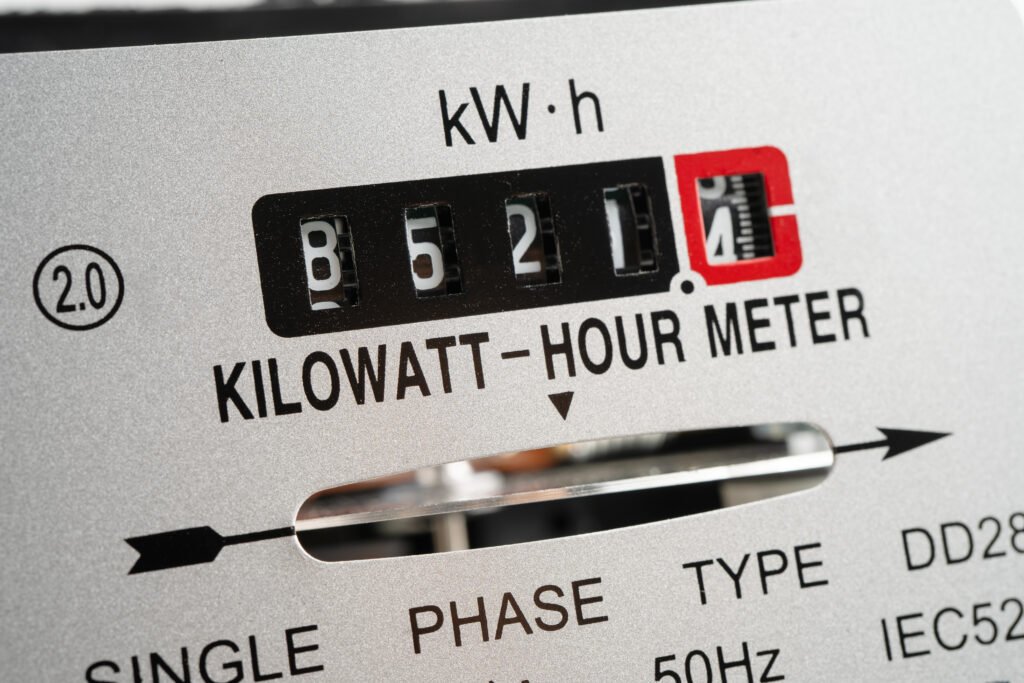
A small circulation pump can use considerably less electricity while operating than a large therapy pump running at low speed.
But don’t compare pump wattage alone.
A low-wattage circulation pump might run 24 hours a day, while a larger pump may operate only during scheduled filtration and heating cycles.
Total hot tub energy consumption also depends on:
- Insulation
- Climate
- Cover quality
- Water temperature
- Heater operation
- Filtration programming
- Plumbing design
- Hot tub usage
Instead of focusing on one pump’s wattage, look at the overall energy efficiency of the complete hot tub.
✨ Can a Circ Pump Keep Water Cleaner?
It can certainly help.
The more frequently water passes through a well-designed filtration system, the more opportunities the filters have to capture contaminants.
But a circulation pump doesn’t guarantee clean water.
You still need proper sanitizer levels, balanced water chemistry, clean filters, regular water replacement, and good maintenance habits.
Circulation is an important part of water care—but it’s still only one part.
🌡️ Does a Circulation Pump Make a Hot Tub Heat Faster?
Not necessarily.
The circulation pump doesn’t create heat—the heater does.
The pump simply moves water through the heater so heat can be transferred into the spa.
Heating speed depends more on heater output, electrical configuration, starting water temperature, ambient temperature, insulation, cover quality, and spa volume.
🔌 Do Plug-and-Play Hot Tubs Have Circ Pumps?
Many entry-level and 110-volt plug-and-play hot tubs don’t include dedicated circulation pumps. Just not enough power to go around
That’s not necessarily a negative. These spas may simply use their primary pump for filtration and heating.
✅ Advantages of a Hot Tub Circulation Pump
A well-designed circulation system can provide:
- Extended or continuous filtration
- Dedicated water flow through the heater
- Support for compatible ozone systems
- Quiet operation
- Lower operating wattage than larger therapy pumps
- Less reliance on the primary jet pump
A hot tub stay filtered, heated, and ready to use
For me, that last benefit is the biggest one.
I want my hot tub ready when I am.
⚠️ Are There Any Disadvantages?
There are a few tradeoffs.
A dedicated circulation pump means:
- Another component in the equipment compartment
- Additional initial cost
- Another pump that can eventually require service or replacement
- Additional plumbing and equipment
That’s why I wouldn’t reject a hot tub simply because it doesn’t have a circulation pump.
Instead, I’d ask:
How does this hot tub accomplish the same jobs without one?
That’s a much better buying question.
👍 Is a Hot Tub Circulation Pump Worth It?
For me, absolutely.
I’ve owned a Hot Spring spa with a dedicated circulation system for many years, and
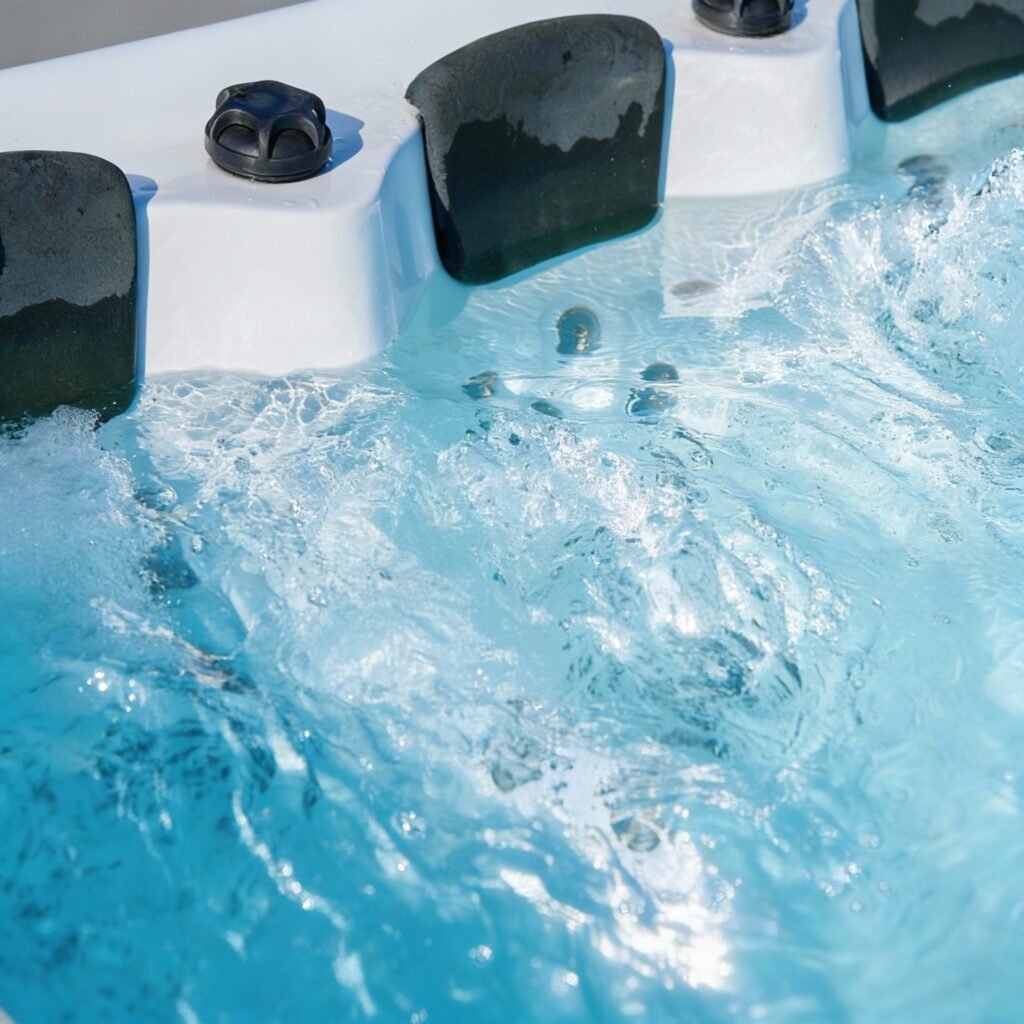
I’ve always appreciated the idea that the hot tub is constantly working behind the scenes.
The water is circulating and being filtered. The heating system has the flow it needs, and supplemental water-care equipment can operate as designed.
When I decide to use my hot tub, I want to open the cover and get in.
But that doesn’t mean everyone needs a circulation pump.
If you’re shopping at an entry-level price point, considering a plug-and-play spa, or looking at a hot tub with a well-engineered alternative filtration system, you may decide it’s unnecessary.
🛒 Questions to Ask When Shopping
Instead of simply asking, “Does this hot tub have a circulation pump?”, ask:
- Does it operate 24/7 or on programmed cycles?
- How much water is filtered each day?
- Does the circ pump provide flow through the heater?
- Does it operate the ozone or supplemental water-care system?
- What happens if the circulation pump fails?
- What does a replacement pump cost?
- If there isn’t a circ pump, how does the spa handle filtration and heating?
- How energy efficient is the complete hot tub?
Those questions tell you much more than checking a feature box on a brochure.
🤝 Need Help Comparing Hot Tub Features?
Circulation pumps are a great example of why hot tub shopping can become confusing.
One salesperson may tell you a circ pump is essential.
Another may tell you it’s completely unnecessary.
The truth is that you have to look at how the entire hot tub is designed.
If you’re comparing hot tubs and trying to make sense of circulation pumps, filtration, ozone, horsepower, jets, insulation, warranties, and water-care systems, The Hot Tub Report Concierge Service can help.
Through a one-on-one meeting, we can compare the hot tubs you’re considering, identify meaningful differences, and develop the questions you should be asking your local dealers.
The Concierge Service is also available to existing hot tub owners who need help with water care, maintenance, troubleshooting, or simply getting more out of their spa.
📋 The Hot Tub Report Takeaway
The Hot Tub Report Trusted Links & References
Recommended Reads from The Hot Tub Report
 Join the Conversation!
 Join the Conversation!
Have a question, tip, or hot tub story to share? Jump in! The Hot Tub Report is all about helping each other get more enjoyment out of hot tub ownership.
Just keep it friendly, helpful, and on topic. No spam, personal attacks, or inappropriate content, please. Comments that don’t fit the spirit of the community may be removed.
Be helpful. Be respectful. And happy hot tubbing! 