- John Gill
- No Comments
The Jet Count Myth: Power, Efficiency & Smart Design
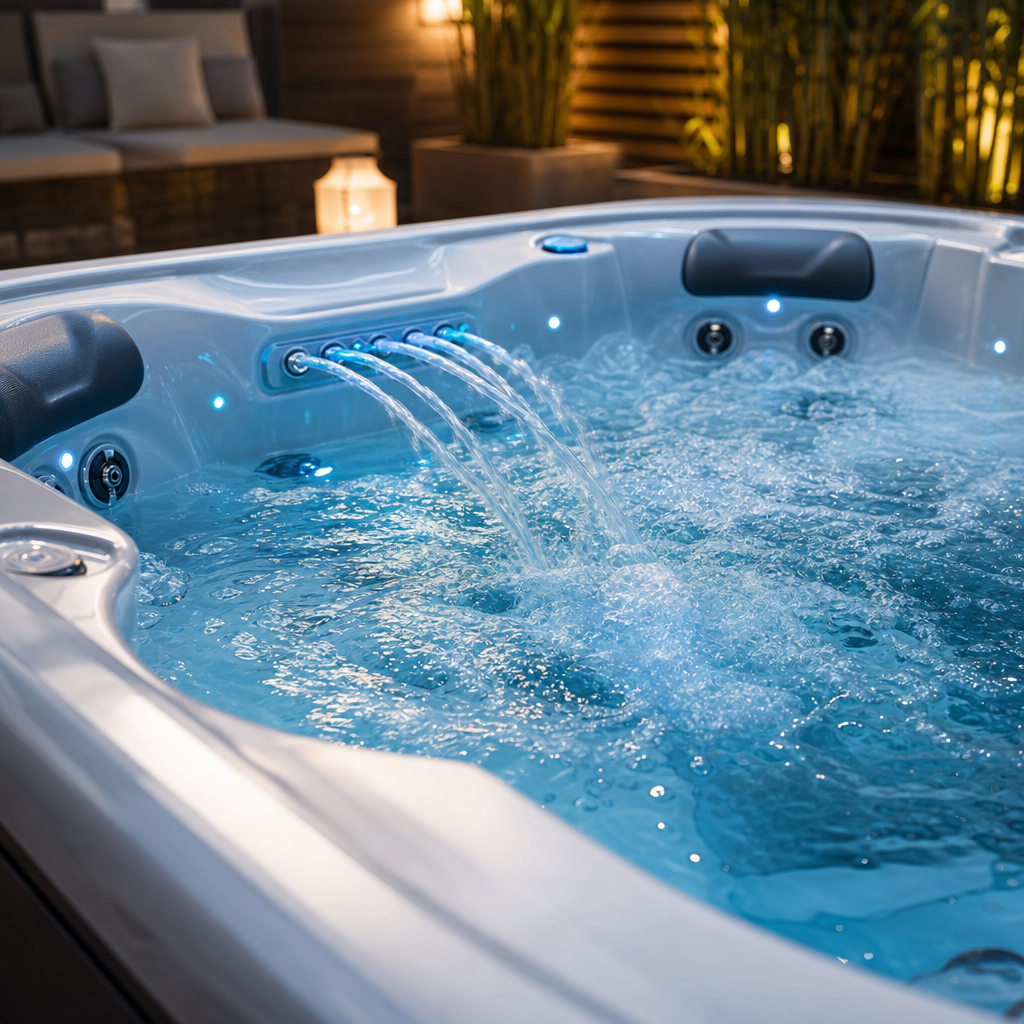
The Jet Count Myth: What Really Makes a Hot Tub Powerful
But here’s the truth the industry rarely explains: Jet count is one of the least meaningful specs in the entire hot tub world.
A truly therapeutic hot tub depends on the relationship between:
- Pump size & number of pumps
- Jet size
- Jet type
- Plumbing efficiency
- Overall engineering philosophy
And here’s the part most shoppers never hear: More pumps and more jets don’t just weaken performance — they increase energy use.
What This Report Reveals
- Why jet count is one of the least meaningful hot tub specs
- How pump size and number of pumps determine real jet power
- Why too many jets can weaken performance and increase energy use
- How jet size and jet type affect massage quality
- The difference between HotSpring and Bullfrog engineering philosophies
- How to choose a hot tub based on performance — not marketing numbers
❌ Why Jet Count Doesn’t Tell You Much
A hot tub with 100 tiny jets can feel weak and unsatisfying, while a tub with 30–50 well‑designed jets can feel powerful, deep, and therapeutic.
Why? Because jets are only as strong as the water being pushed through them.
If the pumps can’t supply enough water, the jets simply trickle — no matter how many there are.
⚡ 1. Pump Size & Number of Pumps
The Real Source of Jet Power (and Energy Use)
Think of pumps as the engine behind your massage. Bigger, more efficient pumps move more water with less strain — and often with less electricity.
A perfect example:
A hot tub with two strong pumps and 35 jets will outperform a tub with three small pumps and 70 jets every time.
This comparison highlights two critical truths:
1. Performance drops when pumps are undersized. Some manufacturers add more jets without increasing pump power. The result is weak pressure spread across too many outlets.
2. More pumps = more energy consumption. Every pump you add increases:
- Monthly operating cost
- Heat loss (more plumbing = more surface area)
- Wear and tear
- Noise
A well‑engineered hot tub uses fewer, stronger pumps to deliver better pressure and lower energy use. This is why, in hot tub design, less is more.
💦 2. Jet Size: Bigger Jets Move More Water
Jet size dramatically affects how the massage feels:
🔸 Large jets — deep‑tissue pressure for major muscle groups
🔸 Medium jets — balanced pressure for mid‑back and legs
🔸 Small jets — pinpoint relief for neck, wrists, and feet
A tub with 60 tiny jets will never outperform a tub with 30–40 properly sized therapy jets — and it will require more pump power to even attempt it.
🌀 3. Jet Type: Not All Jets Do the Same Job
A great hot tub uses a mix of jet types to mimic real massage techniques:
🔄 Rotational jets – kneading motion
🎯 Directional jets – adjustable, targeted relief
💥 Pulsating jets – rhythmic pressure
🔹 Cluster jets – trigger‑point therapy
The goal isn’t to have more jets — it’s to have the right jets in the right places, powered by pumps that can actually support them.
🚫 4. Why Too Many Jets Is Actually a Problem
More jets = more places for water to go. If the pumps can’t keep up, you get:
- Weak pressure
- “Spitty” jets
- Overworked pumps
- Higher energy use
- Shorter equipment lifespan
Manufacturers who chase high jet numbers often rely on:
- Undersized pumps
- Tiny jets
- Thin plumbing
- Inefficient water paths
It looks impressive on paper but feels disappointing in real life — and costs more to run.
🧠 Two Smart Approaches to Jet Design
Premium brands don’t chase jet count — they chase performance and efficiency.
HotSpring and Bullfrog are perfect examples of two very different philosophies that both work beautifully.
♨️ HotSpring® Philosophy:
Fewer Jets, More Power, Lower Energy Use
HotSpring focuses on
- Strong, efficient pumps
- Strategic jet placement
- A mix of jet sizes and types
- Moto‑Massage® DX for full‑back therapy
- SmartJet® zones that concentrate power where you want it
- Energy‑efficient plumbing and insulation
Hotsrpings philosophy: A smaller number of high‑performance jets delivers a better massage and uses less energy than a large number of weak ones.
🧩 Bullfrog® Philosophy:
Customizable Therapy With Minimal Plumbing
Bullfrog takes a different approach with their JetPak® Therapy System:
- Modular, interchangeable JetPaks
- Up to 90% less plumbing behind the seats
- Stronger, more efficient water flow
- Customizable therapy for each seat
- Reduced heat loss and lower energy use
Bullfrog philosophy: Let the customer choose the exact massage they want — and deliver it with maximum efficiency.
✅ So… How Many Jets Should Your Hot Tub Have?
Here’s the honest answer:
⭐ Most high‑quality hot tubs perform best with 30–50 jets.
But the number isn’t the point.
What matters is:
- Pump strength
- Number of pumps
- Jet size
- Jet type
- Plumbing efficiency
- Energy use
- Engineering philosophy
HotSpring and Bullfrog prove that two very different designs can both deliver exceptional therapy — because both prioritize performance and efficiency over jet count.
🌟 The Hot Tub Report Takeaway
The Hot Tub Report Trusted Links & References
Recommended Reads from The Hot Tub Report
💬 Join the Conversation!
Have a question, tip, or hot tub story to share? Jump in! The Hot Tub Report is all about helping each other get more enjoyment out of hot tub ownership.
Just keep it friendly, helpful, and on topic. No spam, personal attacks, or inappropriate content, please. Comments that don’t fit the spirit of the community may be removed.
Be helpful. Be respectful. And happy hot tubbing! 🛁