110V vs 220V Hot Tubs: Which Delivers the Better Experience
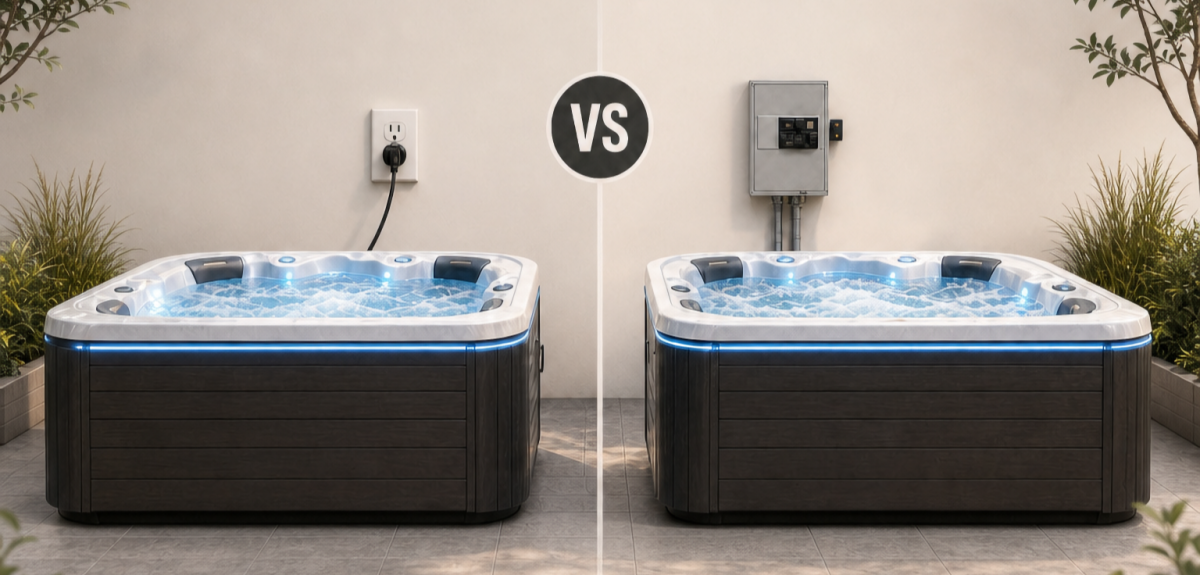
110V vs. 220V Hot Tubs: Pros, Cons, Costs, and Cold-Weather Performance
Compare plug-and-play and hardwired hot tubs, including installation requirements, heating performance, running costs, and what to consider for cold-weather soaking.
Choosing between a plug-and-play hot tub and a hardwired model starts with two practical questions: what electrical setup does your home have, and how do you plan to use the tub?
A plug-and-play model can simplify installation if you already have a suitable dedicated circuit. A hardwired model often provides more heating capacity and, with the right configuration, can keep heating while the massage pumps are running. That can matter during longer soaks or cold weather.
But voltage alone won’t tell you how good the massage feels or what your monthly bill will be. Jet design, seating, insulation, cover quality, and the equipment installed all deserve attention.
A Quick Note About Voltage Names
You’ll often see hot tubs described as 110V or 220V, although nominal household supplies in the United States are 120V and 240V. Manufacturers may also use 115V or 230V in their specifications.
For this comparison, we’ll use the familiar 110V and 220V terms. When planning installation, follow the exact voltage, amperage, and connection requirements listed for the model you’re buying.
The useful comparison is between complete hot tubs: how they heat, which functions can run together, how comfortable they feel, and what it will cost to get them installed.
What This Report Makes Simple
How plug-and-play and hardwired hot tubs differ in everyday use
Why heater size and electrical configuration affect heating and temperature recovery
What determines massage quality beyond the voltage rating
Which factors influence electricity use and monthly running costs
What to consider for longer soaks and cold-weather use
What to confirm about circuits, installation requirements, and electrical costs
When a convertible model may be worth considering
🔌What’s the Difference Between 110V and 220V Hot Tubs?
The main difference is the electrical supply each hot tub is designed to use. A plug-and-play model connects through its supplied cord to a suitable dedicated outlet. A hardwired model connects to a dedicated electrical supply installed for that hot tub.
But voltage is only part of the picture. The circuit’s amperage, the installed equipment, and the control settings determine how much power the hot tub can use—and which functions can run together.
What That Means During a Soak
Many plug-and-play models pause heating while the jet pump runs on high speed. The available electrical capacity is shared, so the controls give priority to the massage pump.
A properly configured hardwired model may have enough capacity to run its heater and jet pumps together. That can help maintain temperature while you’re soaking, particularly with the cover open in cold weather.
Don’t assume every 220V installation allows this, though. Some models support different amperage configurations, and the lower-capacity option may still limit heating during high-speed jet use.
Compare the Equipment, Not Just the Voltage
Ask the dealer three questions about the exact model and installation being quoted:
What is the heater’s output in kilowatts?
Can the heater run while the jet pumps operate on high speed?
Does the quoted electrical configuration support that simultaneous operation?
Those answers tell you more about heating performance than the voltage label alone. Massage quality still depends on the pumps, plumbing, jets, controls, and how comfortably you fit the seats.
⚡️110V vs. 220V: A Side-by-Side Comparison
Both types need an electrical setup that meets the hot tub’s specifications. The difference is how they connect and what their equipment can do with the available power.
| What to Compare | 110V Plug-and-Play | 220V Hardwired |
|---|---|---|
| Electrical connection | Uses the supplied cord and plug with a suitable dedicated outlet | Connects to a dedicated supply installed for the model |
| Installation work | May be straightforward if a compliant circuit already exists; electrical work may still be needed | Requires a qualified electrician to install or verify the required supply |
| GFCI protection | Must have the protection specified for the model and installation | Must have the protection specified for the model and installation |
| Heating capacity | Often has a lower-output heater | Often supports a higher-output heater |
| Heating during jet use | Many models pause heating when the jet pump runs on high speed | Depends on the model, circuit amperage, and control configuration |
| Massage performance | Depends on the pumps, plumbing, jets, and seating—not voltage alone | Depends on the pumps, plumbing, jets, and seating—not voltage alone |
| Installation cost | Can be lower when a suitable circuit is already available | Depends on wiring distance, panel capacity, access, and required work |
| Future conversion | Some models support an approved conversion to a hardwired supply | Conversion options and equipment requirements are model-specific |
Plug-and-Play Still Needs the Right Outlet
An outlet that accepts the plug isn’t necessarily suitable for the hot tub. Confirm the required circuit amperage, grounding, GFCI protection, and outlet location before delivery.
A dedicated circuit supplies the hot tub without sharing its capacity with other appliances. If you’re unsure whether your existing outlet meets the requirements, have a qualified electrician check it.
Use the supplied cord as directed. Don’t use an extension cord or adapter to make an unsuitable connection work.
Check the Complete Installation
For either option, follow the manufacturer’s pre-delivery instructions and confirm applicable local requirements. A plug-and-play connection doesn’t automatically remove the need for permits or other site preparation.
Get any required electrical work priced before buying. That gives you a clearer comparison of what each hot tub will cost to have ready for your first soak.
✈️ Jet Power and Massage Experience
Voltage isn’t a massage rating. A comfortable, effective massage depends on how the pumps, plumbing, jets, and seats work together—and how well that arrangement fits you.
A 110V model can deliver a massage you enjoy. A 220V model may support more pump capacity or additional massage zones, but the electrical connection alone doesn’t guarantee better results.
Compare What You Feel in the Seat
Jet placement, water flow, and adjustment range matter more than a voltage label. During a wet test, ask yourself:
Do the jets reach the areas I want to massage?
Can I adjust the intensity comfortably?
Do I stay in position without bracing myself?
What happens when other massage zones are operating?
More people getting into the hot tub doesn’t automatically weaken the jets. Opening additional jets or changing a diverter can redistribute flow, depending on the plumbing layout. Ask the dealer to demonstrate how the seats share pump capacity.
Heating During Massage Is a Separate Question
Many plug-and-play models pause heating while the jet pump runs on high speed. That affects temperature maintenance during the soak, rather than proving the massage itself is weaker.
Some hardwired configurations allow the heater and jet pumps to operate together. Confirm that capability for the exact model and electrical setup you’re considering.
Conversion Doesn’t Automatically Increase Jet Power
On some convertible hot tubs, moving to a higher-voltage supply improves heating capacity or allows simultaneous heating and jet operation while leaving the massage pump unchanged.
Ask what the conversion actually changes. If your main goal is a different massage, compare the seats and jets in the water before paying for an electrical upgrade.
🏎️ Heating Speed and Temperature Recovery
Heating performance is one of the more noticeable differences between many plug-and-play and hardwired hot tubs. A higher-output heater can warm the same amount of water faster, but voltage alone doesn’t tell you how long the job will take.
Check the heater’s output in kilowatts, the water volume, and whether heating can continue while the jets are running.
Heating After a Refill
A small heater warming a large volume of cold water needs time. A higher-output heater can shorten that wait, but the starting water temperature, outdoor conditions, insulation, and cover position all affect the result.
Treat a dealer’s heating-rate estimate as an estimate for that model under stated conditions. Ask whether the rate is in degrees Fahrenheit or Celsius and whether it assumes the cover is closed.
Avoid applying one temperature-rise figure to every 110V or 220V hot tub.
Holding Temperature During a Soak
Once the cover comes off, the hot tub starts losing heat more quickly. Wind, cold air, jet aeration, and the length of your soak all influence that loss.
Many plug-and-play models pause heating while the jet pump runs on high speed. During a longer session, the water may cool because the heater isn’t replacing the heat being lost.
A hardwired model with enough electrical capacity may keep heating during jet use. That helps it maintain temperature, but it doesn’t guarantee that the water will hold its setting in every condition.
Confirm What Can Run Together
Not every 220V configuration allows simultaneous heating and high-speed jet operation. Some models support different circuit amperages, with different operating limits.
Ask the dealer to confirm:
The heater output in the configuration being quoted
Whether heating continues with the jet pumps on high speed
Whether running all pumps changes that behavior
The expected warm-up time after a refill
Match Heating Performance to Your Routine
If you keep the hot tub at soaking temperature, the initial warm-up after a refill may matter less than its ability to stay comfortable while you use it.
For longer winter soaks, simultaneous heating can be a worthwhile advantage. For shorter sessions in milder weather, a suitable plug-and-play model may meet your needs. Compare the actual equipment and your usual soaking habits before deciding.
🔋Energy Usage: Which Costs More to Run?
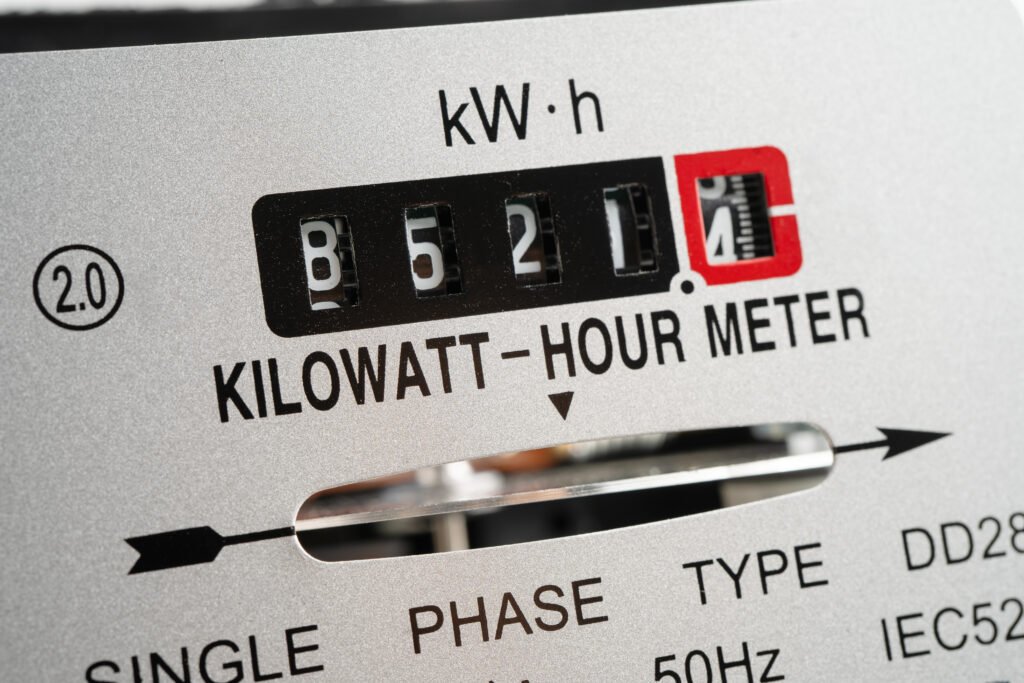
A 220V hot tub doesn’t automatically cost less to operate, and a 110V model isn’t necessarily cheaper because its heater draws less power. Your electricity bill reflects how much energy the whole hot tub uses over time.
Faster Heating Doesn’t Automatically Mean Lower Cost
Think of heater output as how quickly heat can be added. Energy consumption depends on that output and how long the heater runs.
For example:
A 1 kW heater running for four hours uses 4 kWh.
A 4 kW heater running for one hour also uses 4 kWh.
That’s a simplified illustration, not a prediction for two different hot tubs. Actual heating times include heat loss, and pumps and other equipment also use electricity. It shows why fewer running hours alone don’t prove lower operating costs.
Look at What Affects Everyday Consumption
Once the water reaches your selected temperature, much of the heating demand comes from replacing heat that escapes. Your costs will depend on:
Insulation and overall heat retention
Cover quality, fit, and condition
Outdoor temperature and wind exposure
Water-temperature settings
How often and how long you soak
Pump operation and filtration schedules
Your electricity rate
A larger hardwired hot tub with several pumps may use more electricity than a well-insulated compact plug-and-play model. Comparing voltage labels won’t tell you which will cost less at your home.
Put Operating-Cost Estimates in Context
Ask for model-specific energy information and find out what any monthly estimate assumes. An estimate based on mild weather, short soaks, and a low electricity rate may not reflect your situation.
Compare models using similar conditions, and distinguish covered standby consumption from the additional energy used during soaking.
Choose the heating capacity that suits your routine, then assess running costs separately. Faster recovery and heating during jet use can be worthwhile benefits without promising a lower electricity bill.
🔨 Installation Cost vs. Long-Term Cost
A plug-and-play hot tub can cost less to get connected if you already have a suitable dedicated circuit. If you need a new circuit or an outlet installed in the right location, include that work in your budget.
A hardwired model requires an electrical supply that matches its specifications. The cost depends on your property and the work involved, so get a written quote before choosing the hot tub.
What Should the Electrical Quote Include?
Give your electrician the model’s pre-delivery instructions and confirm:
The required voltage, circuit amperage, and electrical configuration
Whether your existing panel has sufficient capacity
The wiring route and distance to the hot tub
Any trenching or difficult access
Required GFCI protection, disconnect equipment, and other installation provisions
Applicable permits and inspections
Which materials, labor, and finishing work are included
Ask the dealer and electrician to coordinate if the model supports several configurations. You should know whether the quoted installation allows heating while the jet pumps run on high speed.
Plug-and-Play Doesn’t Mean No Preparation
A cord-connected hot tub still needs a suitable supporting base, delivery access, and an electrical connection that meets the manufacturer’s instructions and local requirements.
If you rent, confirm permission for the hot tub and any required work before ordering. A model described as portable still needs to be drained and moved safely, so consider what relocating it would involve.
Compare the Total Installed Price
Put the hot tub, delivery, base preparation, electrical work, cover lifter, steps, and other selected accessories into the same comparison.
A lower advertised price may leave out work or equipment included in another quote. Knowing the complete cost helps you decide whether an upgrade fits your budget.
Evaluate Running Costs Separately
Paying more for a hardwired installation may give you faster heating or simultaneous heating and massage. It doesn’t guarantee that the electrical work will pay for itself through lower monthly bills.
Assess energy use, maintenance supplies, and service support for the actual models you’re considering. The worthwhile upgrade is the one whose benefits you understand and expect to use.
⛄️ Cold-Weather Performance

A winter soak can be one of the best reasons to own a hot tub. The question is whether the model you choose can keep the water comfortable for the way you use it.
Compare heating capacity, insulation, cover fit, and whether the heater operates while the jets are running. Voltage alone doesn’t answer that question.
Holding Heat With the Cover Closed
A well-insulated hot tub with a properly fitted cover loses less heat between soaks. That matters for both plug-and-play and hardwired models.
A 110V hot tub isn’t automatically unsuitable for winter. Ask whether the specific model is intended for year-round use in your climate and what operating instructions apply during freezing weather.
Keeping Comfortable During a Soak
Opening the cover changes the heating demand. Cold air, wind, and jet aeration increase heat loss, particularly during longer sessions.
If a plug-and-play model pauses heating during high-speed jet use, the water may gradually cool. How noticeable that becomes depends on the conditions, water volume, and length of your soak.
A higher-output heater that can run alongside the massage pumps gives the hot tub more capacity to replace that lost heat. That can be a useful advantage for frequent or extended winter use.
Ask About Your Actual Conditions
Tell the dealer how you expect to use the hot tub. A sheltered twenty-minute soak is different from an hour with the jets running on an exposed deck.
Ask:
Can this configuration heat while the jet pumps run on high speed?
What temperature loss might I notice during a typical winter soak?
How does the insulation and included cover suit this climate?
What should I do if heating or circulation stops during freezing weather?
Treat performance estimates as model-specific guidance, not a guarantee for every winter day.
Heating Capacity Isn’t the Same as Reliability
A larger heater can improve recovery, but it doesn’t guarantee fewer breakdowns. Either type of hot tub needs functioning equipment and an uninterrupted power supply to provide its intended freeze protection.
Choose for the conditions you expect to use it in, and have a plan for outages or equipment faults. If heating or circulation stops in freezing weather, contact your dealer promptly for instructions.
😀 Which Option Fits the Way You’ll Use Your Hot Tub?
Start with your space, electrical setup, and soaking habits. Then compare models that fit those needs. The best choice is the hot tub you’ll enjoy using at an installed price you’re comfortable with.
When Plug-and-Play May Make Sense
A plug-and-play model is worth considering if a suitable dedicated circuit is already available and its heating performance fits your routine.
It may be a good fit when:
You want to keep installation work and upfront costs manageable.
You’ve found a comfortable model with a massage you enjoy.
Your usual soak length and climate suit its heating capabilities.
You understand any limits on heating during high-speed jet use.
You don’t have to be an occasional user to enjoy a plug-and-play hot tub. What matters is whether the particular model meets your everyday expectations.
When a Hardwired Model May Be Worthwhile
A hardwired model may offer advantages if you want more heating capacity, longer cold-weather soaks, or equipment that needs a larger electrical supply.
Consider it when:
Faster heating after refills or temperature setbacks matters to you.
You want heating to continue during massage, and the quoted configuration supports it.
Your preferred seating layout and pump arrangement are offered in a hardwired model.
The complete installation cost fits your budget.
Make sure the added cost buys a benefit you’ll use. Stronger massage and lower bills still need to be assessed separately.
Could a Convertible Model Give You More Flexibility?
Some hot tubs can start on an approved plug-and-play connection and later be converted to a hardwired supply. That may suit someone who wants to spread out installation work or expects their needs to change.
Before relying on that option, ask the dealer:
Is this exact model and model year convertible?
What changes after conversion—heater output, simultaneous operation, or something else?
What electrical work, parts, and authorized service are required?
What would conversion cost now compared with arranging it later?
Conversion doesn’t automatically increase jet power, and not every plug-and-play hot tub supports it. Have the approved work completed by qualified professionals following the manufacturer’s instructions.
Try the Hot Tub Before Choosing the Connection
Once you’ve narrowed the electrical options, spend time checking seating fit and massage comfort. A wet test can tell you things a specification sheet can’t.
Choose a model that feels right, then confirm that its heating performance and installation requirements suit your home and routine.
🧠 Final Thoughts
Choosing between a plug-and-play and hardwired hot tub comes down to how the complete setup fits your home and the way you like to soak.
A plug-and-play model can be a practical choice when a suitable circuit is available and its heating capabilities meet your needs. A hardwired model may offer faster heating and the ability to heat while the massage pumps run, provided the electrical configuration supports it.
Neither voltage label tells you how comfortable the seats will feel, how much you’ll enjoy the massage, or what your monthly bill will be. Try the hot tub, confirm what can operate together, and compare complete installation quotes before deciding.
💬 Know What to Compare Before You Buy
Electrical requirements are one part of choosing a hot tub. Read our Hot Tub Buying Guide for help comparing seating, features, installation needs, and dealer support—so you can choose with a clearer picture of what ownership will involve.
Looking for Another Hot Tub Answer?
Search The Hot Tub Report for more water care, troubleshooting, and buying advice.
Trusted Links & References
Electrical requirements and operating limits vary by model, year, and configuration. Use the owner’s manual and pre-delivery instructions for the exact hot tub you’re considering.
A Little More Hot Tub Know-How, Delivered
Get practical water care tips, maintenance advice, and helpful reports delivered right to your inbox. It’s free, and it’s all about making hot tub ownership a little easier.
HOT TUB CONCIERGE SERVICE
Need a Little More Help?
Sometimes a little one-on-one guidance makes all the difference.
Whether you’re shopping for a hot tub, troubleshooting a water problem, or just looking for some expert advice, I’m here to help.
Get personalized guidance during a 30-minute Hot Tub Concierge consultation.
Recommended Reads From The Hot Tub Report
💬 Join the Conversation!
Have a question, a helpful tip, or a hot tub experience to share? Drop a comment below! We’re here to help each other enjoy better hot tub ownership.
Please keep comments friendly, helpful, and on topic.