- John Gill
- No Comments
Hot Tub Phosphates: What They Are and Why They Matter

Hot Tub Phosphates: The Hidden Contaminant Behind Water Problems
Phosphates are one of the most overlooked factors in hot tub water care — and they can quietly make everything from clarity to sanitizer efficiency harder than it needs to be.
What This Report Breaks Down
- What phosphates are and how they behave in hot tub water
- Why phosphates make water care harder even though they’re not harmful to bathers
- The main sources of phosphates — from tap water to everyday household products
- How phosphates feed algae and biofilm, increasing sanitizer demand
- How to test for phosphates and interpret your results
- When and how to use a phosphate remover effectively
- How phosphate control fits into your overall water‑care routine for clearer, easier maintenance
🧪 What Exactly Are Phosphates — And Why Are They in Your Water?
Phosphates are phosphorus‑based compounds that show up in nearly every modern water system. They’re not harmful to people, but they do interfere with hot tub water care by feeding the things you’re constantly trying to control: algae, biofilm, and organic growth.
Think of phosphates as microscopic fertilizer.
They don’t cause water problems directly — but they supercharge the things that do.
Understanding where phosphates come from and how they behave is one of the most overlooked keys to maintaining consistently clear, low‑maintenance spa water.
🛁 Why Phosphates Matter for Hot Tub Owners
Phosphates are a food source for algae and biofilm. In a warm, aerated environment like a hot tub, even small amounts can:
- Increase chlorine or bromine demand
- Make water cloudy or dull
- Encourage slimy surfaces
- Shorten the lifespan of shock treatments
- Reduce overall water clarity and stability
When phosphates are high, your sanitizer has to work harder — and you end up using more chemicals, more time, and more effort to get the same results.
Keeping phosphates low helps your sanitizer stay efficient, predictable, and effective.
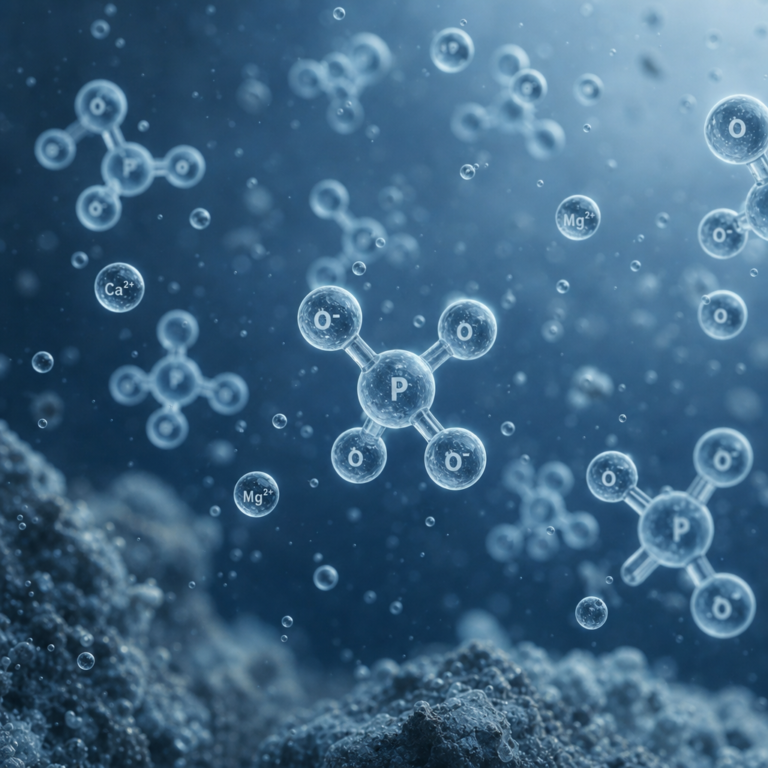
🧬 A Closer Look: The Different Types of Phosphates
Phosphates appear in water in several forms, each with its own behavior and impact on water care.
Polyphosphates
Long chains of phosphate molecules are intentionally added to municipal water to prevent pipe corrosion and control metals like iron and manganese. Over time, they break down into orthophosphate.
Organic Phosphates
Found in living or decaying plants, animals, and microorganisms. As they decompose, they eventually convert into inorganic phosphate.
Inorganic Phosphates (Orthophosphate)
The simplest, most reactive form, and the one that directly feeds algae. This is the type most commonly detected in water tests.
Because phosphorus is essential for all living organisms, even trace amounts can dramatically influence biological activity in a hot tub’s warm, oxygen‑rich environment.
🌍 Where Phosphates Come From
Phosphates enter water through both natural processes and human activity. Most hot tub owners don’t realize that their tap water often contains phosphates before it ever reaches the spa.
🌱 Natural Sources
- Soil and rock erosion: Minerals break down and release phosphates into water.
- Decomposing plants and animals: Organic matter releases phosphorus as it decays.
- Aquatic ecosystems: Fish, algae, and microorganisms naturally release phosphorus.
These natural sources create a baseline level of phosphates in many water supplies.
🏙️ Human‑Related Sources
Modern life adds far more phosphates to water than nature ever did.
Sewage, Septic Systems & Wastewater
- Human waste (naturally high in phosphorus)
- Leaking or aging septic systems
- Food residues from dish washing
- Industrial wastewater from food processing and manufacturing
Construction & Infrastructure
- Certain concretes and building materials
- Stormwater systems that funnel runoff directly into waterways
Agricultural Runoff
- Fertilizers rich in phosphorus
- Livestock manure
- Soil erosion from tilled fields
Urban & Residential Runoff
- Lawn and garden fertilizers
- Certain detergents and industrial cleaners
- Pet waste
- Decaying leaves, grass clippings, and mulch
Household Products
- Shampoos, soaps, and cosmetics
- Trace phosphorus in “phosphate‑free” detergents
- Food waste rinsed down the drain
Municipal Water Treatment
This is the source most hot tub owners never expect. Cities often add phosphates intentionally to:
- Prevent lead and copper from leaching out of pipes
- Control iron, manganese, and scale
- Stabilize water chemistry
Seasonal adjustments can cause phosphate levels in tap water to fluctuate dramatically.
🧪 Should You Remove Phosphates?
If your water test shows phosphate levels above 500 ppb, it’s worth using a phosphate remover — especially if you’re dealing with recurring cloudiness, algae, or sanitizer inefficiency.
But phosphate removal is only one part of a complete water‑care routine. You’ll still want to:
- Test sanitizer, pH, and alkalinity regularly
- Keep filters clean and circulation strong
- Shock your spa when needed
- Manage bather load and organic debris
Phosphate control makes all of these steps easier and more effective.
✅ Conclusion: Why Phosphates Deserve Your Attention
Phosphates may be invisible, but their impact on hot tub water is anything but. They quietly fuel algae growth, weaken your sanitizer, and make water harder to balance. When phosphates rise, everything else becomes more difficult — from maintaining clarity to keeping your spa safe and inviting.
By understanding what phosphates are, where they come from, and how they behave, you’re taking a major step toward predictable, low‑maintenance hot tub care. Clear water becomes easier, sanitizer lasts longer, and your entire system runs more efficiently.
👉 Next Steps: What to Do Now
Here’s how to put this knowledge into action:
1. Test Your Water for Phosphates
Use a phosphate test strip or digital tester to get a baseline reading.
2. Treat High Levels Promptly
If levels exceed 500 ppb, use a phosphate remover to bring them down.
3. Strengthen Your Weekly Routine
Maintain sanitizer, pH, and alkalinity; rinse filters; and keep circulation strong.
4. Reduce Phosphate Sources
Shower before soaking, manage debris, and avoid introducing soaps or detergents.
5. Build a Long‑Term Water Care Plan
Combine phosphate control with regular shocks, filter maintenance, and quarterly drains.
The Hot Tub Report Trusted Links & References
Recommended Reads from The Hot Tub Report
💬 Join the Conversation!
Have a question, tip, or hot tub story to share? Jump in! The Hot Tub Report is all about helping each other get more enjoyment out of hot tub ownership.
Just keep it friendly, helpful, and on topic. No spam, personal attacks, or inappropriate content, please. Comments that don’t fit the spirit of the community may be removed.
Be helpful. Be respectful. And happy hot tubbing! 🛁