- John Gill
- No Comments
Why Winter Is the Best Time for Hot Tub Relaxation & Recovery
Why Winter Is the Best Time to Turn Your Backyard Into a Retreat
If you think hot tubs are only meant for warm weather, you’re missing out on one of the most rewarding times of the year to soak. Winter hot tubbing delivers physical, mental, and lifestyle benefits that simply don’t compare to summer use — and with the right preparation, your spa becomes a cozy, stress‑melting retreat all season long.
✅ What You’ll Discover in This Report
- Can you use your hot tub in the winter?
- Does it cost more to run a hot tub in the winter?
- How do I add water to my hot tub in the winter?
- What temperature is too cold for a hot tub?
- Is it cheaper to leave a hot tub on all the time?
- Should I turn my hot tub down in the winter?
This guide breaks down why winter is actually prime hot tub season, how to prepare your spa for cold weather, and what you need to know to keep it running safely and efficiently when temperatures drop.
🛁 Can You Use a Hot Tub in the Winter?
Absolutely — and in many ways, winter is the best time to enjoy your hot tub. Cold air paired with warm water creates a therapeutic contrast that relaxes muscles, boosts circulation, and helps your body recover from winter activities.
🔥 Your Winter Backyard Playground
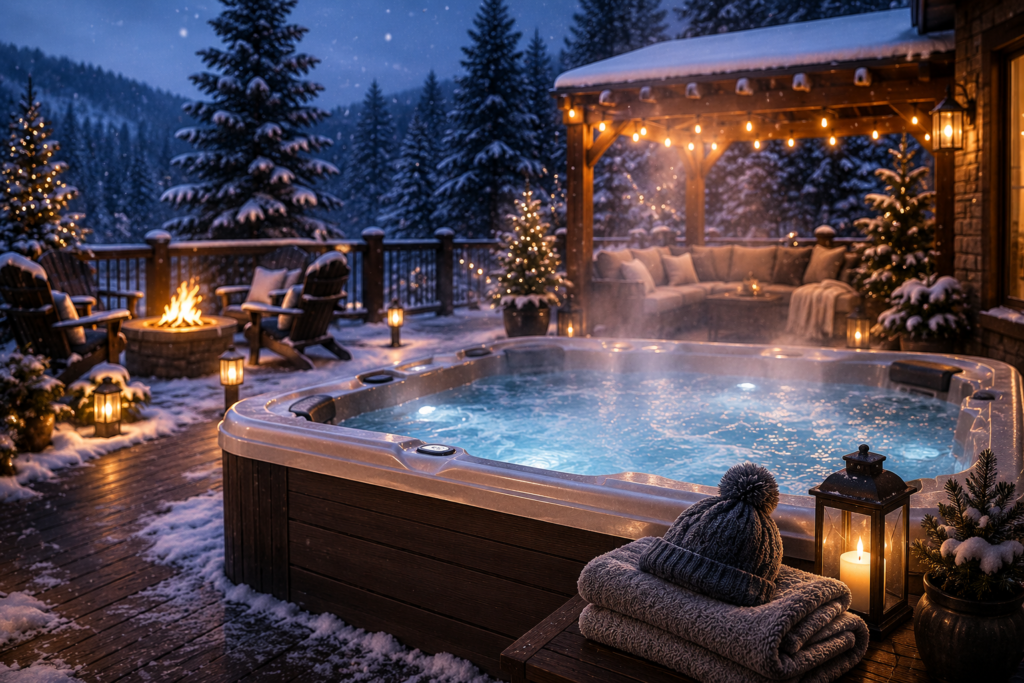
A hot tub can transform your backyard into a cozy winter retreat.
Consider adding:
- Fire pits or freestanding heaters
- Gazebos or pergolas
- String lights or pathway lighting
- Evergreens or seasonal décor
With the right setup, your hot tub becomes a natural gathering place for friends and family — even on snowy evenings.
🌨️ Wellness Benefits of Winter Hot Tubbing
Whether you’re an outdoor enthusiast or someone who prefers to stay warm inside, your hot tub becomes even more valuable during the colder months.
🔥Warm Up Before Winter Activities
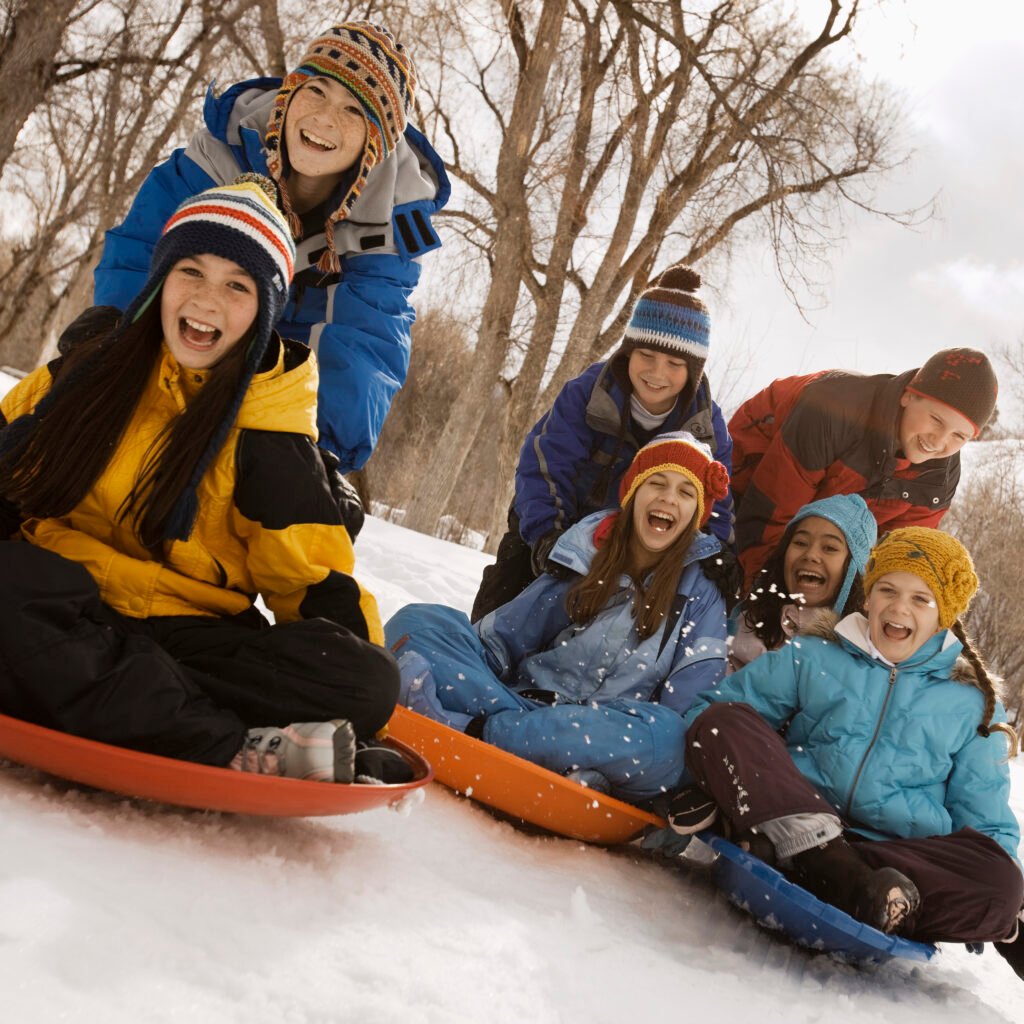
- A short soak before skiing, snowboarding, or shoveling helps warm your muscles and reduce the risk of strains or pulls.
🦴 Support for Joint Pain and Arthritis
- Cold, damp weather often worsens joint stiffness. Warm water increases circulation, reduces inflammation, and provides natural pain relief.
🧊Recover Faster After Cold‑Weather Work
- After clearing snow or spending time outdoors, a hot tub session helps thaw frozen hands and feet, relax tight joints, and ease muscle tension.
💗 Boost Circulation and Immune Support
- Regular soaking promotes relaxation and improves blood flow — two factors that help your body function more efficiently during cold and flu season.
😌 Reduce Stress and Improve Mental Well‑Being
- The combination of heat, buoyancy, and massage encourages the release of feel‑good hormones, helping you unwind and reset after long winter days.
🧤 Preparing Your Hot Tub for Winter Use
🚶♂️ Keep a Clear Path
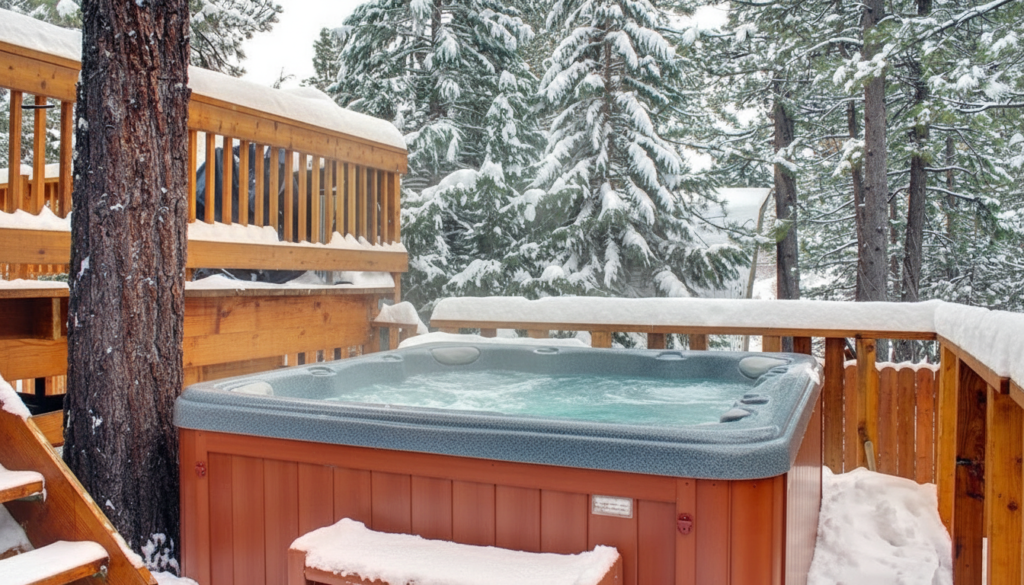
- Shovel regularly and consider heated mats for high‑traffic areas. When removing snow from your cover, use a push broom — never a shovel.
🧥 Dress for the Dash
- Choose warm, easy‑to‑slip‑on footwear and keep a heavy robe nearby. Many owners store towels and robes in a weatherproof tote or use a freestanding heater or towel warmer.
🎩 Wear a Hat While Soaking
- A warm hat helps regulate body temperature and prevents heat loss, especially around the ears.
💨 Be Smart With Jets and Water Features
- Air blowers and air‑mix systems introduce cold air into the water, causing heat loss. Use them sparingly. Run waterfalls periodically to keep water moving through those lines.
💧 Stay Hydrated
- Room‑temperature beverages help maintain hydration without cooling your body. Limit alcohol, which increases dehydration risk.
⏱️ Limit Soak Time
- Aim for about 20 minutes to avoid stressing your body when transitioning back into cold air.
🏠 Plan Your Exit
- Keep towels, slippers, and robes within reach and head indoors promptly after your soak.
🧼 Maintaining Your Hot Tub During Winter
Winter maintenance requires a bit more attention, but it’s completely manageable with the right routine.
🧽 Do a Full Water Change Before Freezing Temps
- Starting winter with fresh water reduces the risk of issues that are harder to fix in cold weather.
🛡️ Use a High‑Quality, Well‑Fitted Cover
- Look for high‑density foam, secure locking straps, and a tight seal. In windy areas, extra straps may be worth adding.
🌡️ Should You Lower the Temperature?
- In most cases, no. Constant reheating uses more energy than maintaining a steady temperature.
🧪 Check Water Chemistry Regularly
- Cold air increases evaporation. Keep a hose stored in a warm place — and never use snow to refill your spa.
⚡ Prepare for Power Outages
- If outages are common in your area, take simple precautions to help your spa withstand temporary loss of power.
❄️ Keep Snow Cleared ❄️
Even the best preparation won’t help if you can’t safely reach your hot tub.
✨ Conclusion: Embrace Winter Soaking
Winter hot tubbing isn’t just a seasonal novelty — it’s one of the most enjoyable and beneficial ways to use your spa. From easing sore muscles and joint pain to reducing stress and improving circulation, the benefits are amplified in cold weather.
With proper preparation, thoughtful use, and consistent maintenance, your hot tub can remain a reliable source of comfort, health, and relaxation all winter long.
👉 Make Every Soak Smarter and Better
Winter Accessories: Insulated covers, thermal blankets, and enclosures.
Aromatherapy: Spa‑safe scents like eucalyptus or lavender.
Entertainment: Weather‑resistant speakers and waterproof lighting.
Maintenance Routine: Test water regularly and clean filters.
Winter Landscaping: Evergreens, lighting, and décor.
Winter Gatherings: Warm beverages, fire features, and cozy seating.
The Hot Tub Report Trusted Links & References
💬 Join the Conversation!
Have a question, tip, or hot tub story to share? Jump in! The Hot Tub Report is all about helping each other get more enjoyment out of hot tub ownership.
Just keep it friendly, helpful, and on topic. No spam, personal attacks, or inappropriate content, please. Comments that don’t fit the spirit of the community may be removed.
Be helpful. Be respectful. And happy hot tubbing! 🛁