- John Gill
- No Comments
Hot Tub Biofilm: What It Is and How to Eliminate It
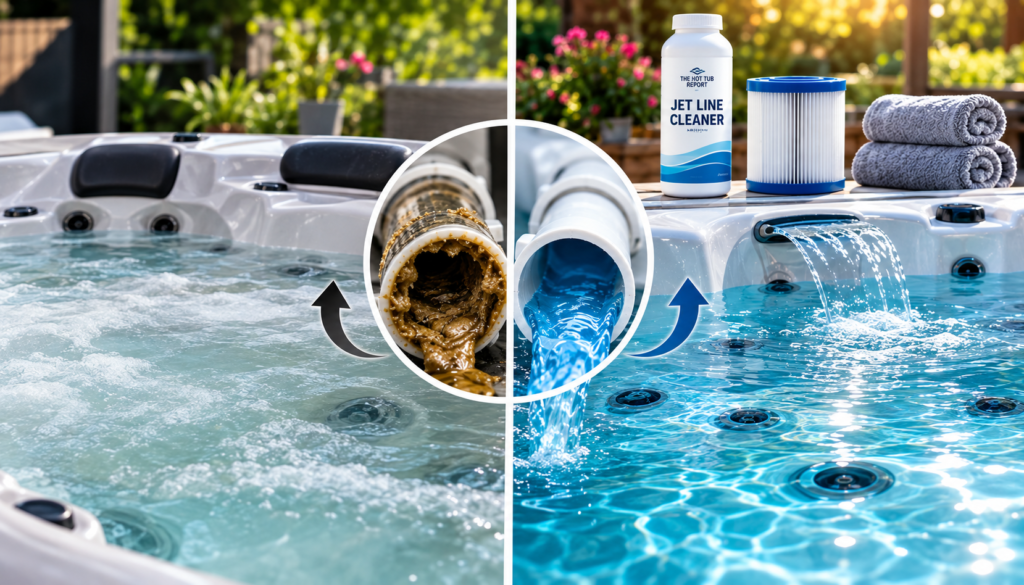
Hot Tub Biofilm Treatment for Clear, Healthy Water
Cloudy Hot Tub Water. Vanishing sanitizer. Strange odors. If your hot tub seems impossible to keep clean, there’s a good chance you’re dealing with biofilm—a stubborn layer of microorganisms hiding deep inside your plumbing.
The good news? You can get rid of it. And once you do, your water will stay cleaner, clearer, and easier to maintain.
In this report, we’ll answer the most common questions about hot tub biofilm, including:
- Does a spa purge remove hot tub biofilm
- How to get rid of hot tub bio film slime
- How to flush hot tub bio film from plumbing
- How to know if your hot tub has biofilm
- The best cleaners for biofilm
- Why hot tub bio film is so difficult to remove
Let’s dive in.
🧪 What is hot tub Biofilm?
Biofilm is a slimy layer of microorganisms that forms inside your hot tub’s plumbing. It’s made up of:
- Bacteria
- Body oils
- Soap, shampoo, and makeup residue
- Dirt and organic debris
Anything that thrives in warm, wet environments. Once biofilm develops, it creates a protective shield that sanitizers like chlorine and bromine can’t penetrate.
That’s why your sanitizer levels may drop to zero immediately after adding them—even though the water still looks dirty.
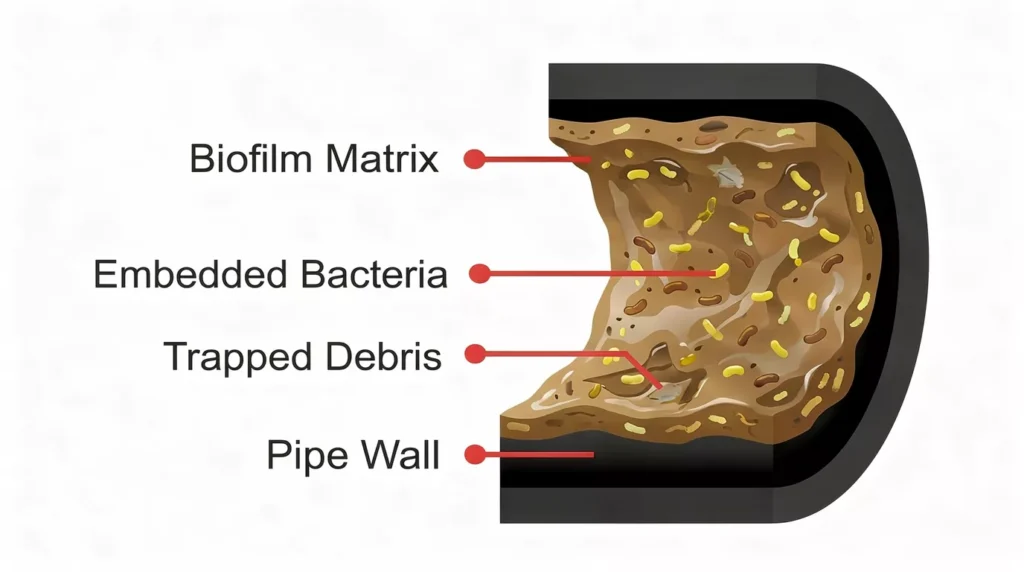
Left untreated, biofilm can:
- Throw off your water chemistry
- Reduce circulation and filtration
- Stress your pump and heater
- Shorten equipment lifespan
- Create a breeding ground for harmful bacteria
Even well-maintained hot tubs develop some biofilm over time. The key is preventing it from building up.
💧 The Solution: Purging Your Hot Tub
The most effective way to remove biofilm is by performing a spa purge before every water change. A purge sends a specialized cleaner through your plumbing to break down and flush out biofilm.
Regular purging leads to:
- Clearer water
- Better filtration
- Longer equipment life
- Easier water balancing
- Fewer contaminants
It’s one of the simplest ways to keep your hot tub running at its best.
🛠️ How to Purge Your Hot Tub (Step-by-Step)
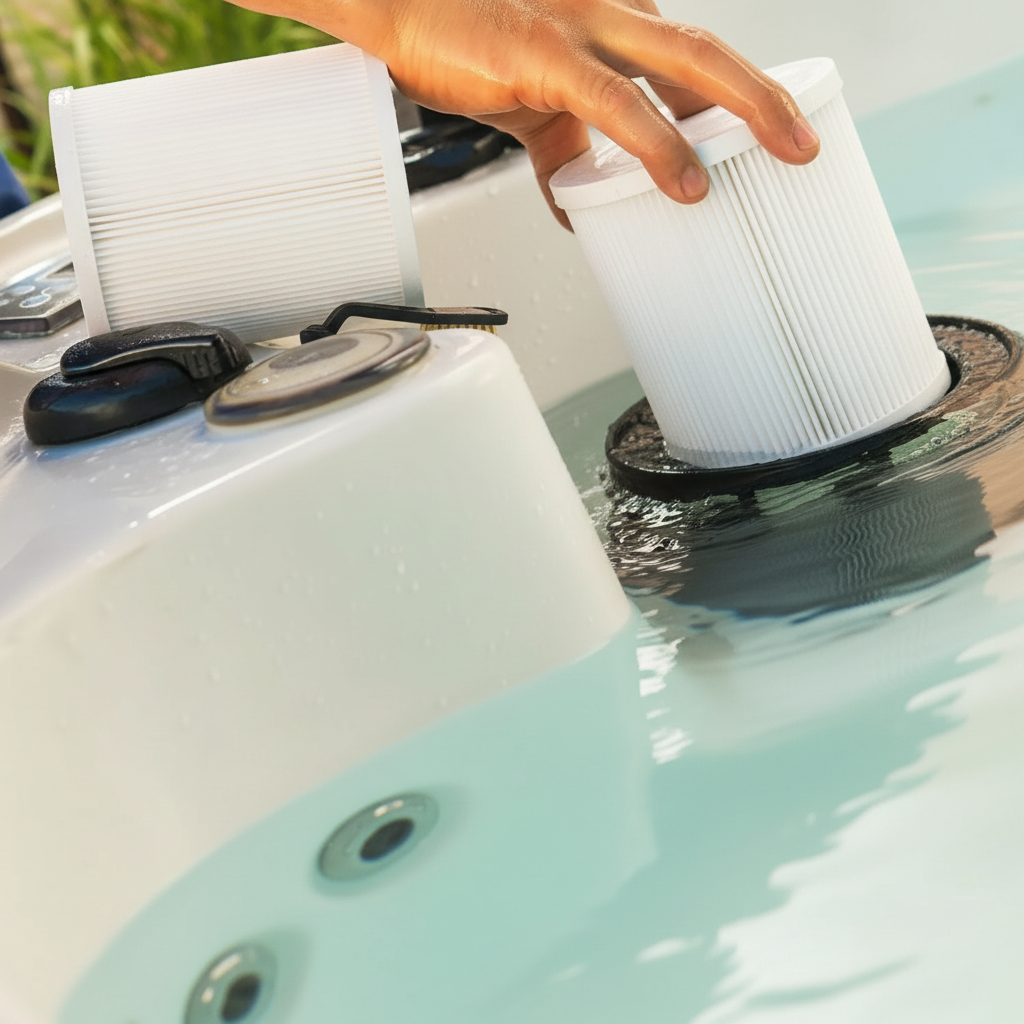
1. Remove Your Filters
Take out your filters before adding any purge product. This is also the perfect time to deep-clean them or replace them if needed.
2. Add a Quality Jet Line Cleaner
Use a reputable purge or jet cleaner designed specifically for hot tubs.
3. Run the Jets
Pour the cleaner into the water and run your jets according to the product instructions.
Tips for better results:
- Set diverter valves to the middle position
- Turn on waterfalls or water features
- Ensure water flows through every plumbing line
4. Turn Off Air Controls
Air mixing increases foam—especially when heavy biofilm is present. Keep air valves closed during the purge.
5. Let the Cleaner Work
After running the jets, allow the cleaner to sit for the recommended time. More foam = more biofilm. Don’t be alarmed—this is normal.
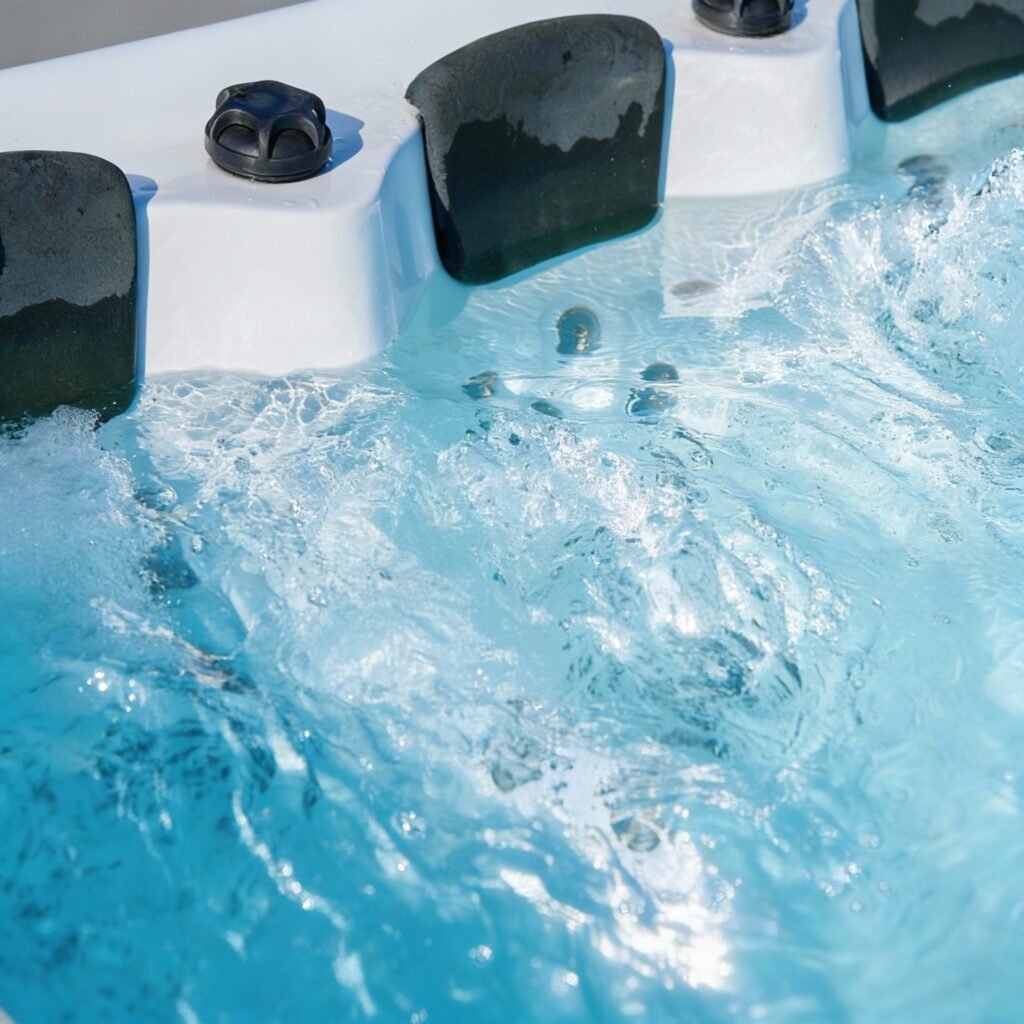
6. Run the Jets Again
Turn the pumps back on for a few minutes to release any remaining debris. Move diverters between positions to flush every line.
7. Turn Off Power
Before draining, shut off power at your sub‑panel or main panel.
8. Drain the Hot Tub
Use your built‑in drain or a submersible pump for faster draining.
9. Remove Remaining Water
Use a shop vac or a scoop to remove any water left in the seats or the foot well.
10. Wipe Down the Shell
Use a bucket of clean water and a soft cloth to remove any residue left behind by the purge.
Pro Tip:
If you’re draining in cold weather, keep your garden hose indoors so it doesn’t freeze.
11. Refill Through the Filter Compartment
This helps prevent airlocks in your pump. If your spa has a standpipe, place the hose inside it. If not, simply fill through the filter area.
12. Reinstall Filters and Heat
Once full, reinstall your filters and allow the water to heat. You’re now biofilm‑free until your next water change.
🧼 In Conclusion
Hot Tub Biofilm is one of the most common—and most overlooked—causes of cloudy water, disappearing sanitizer, and poor hot tub performance. Purging your spa regularly removes this buildup, protects your equipment, and keeps your water clean and safe.
A simple purge every few months can dramatically improve:
- Water clarity
- Sanitizer efficiency
- Filtration
- Overall hot tub health
It’s one of the smartest maintenance habits you can adopt.
🧼 Final Thoughts
Hot Tub Biofilm is one of the most persistent issues hot tub owners face, but it doesn’t have to be a mystery. With regular purging, clean filters, and consistent water care, you can keep your spa running smoothly and your water crystal‑clear. A few simple habits go a long way toward protecting your equipment, improving sanitation, and making every soak feel as good as it should.
👉 Make Every Soak Smarter and Better
- Purge your hot tub before your next water change
- Deep‑clean or replace your filters
- Refill through the filter compartment to prevent airlocks
- Set a reminder to purge every 3–4 months
Staying ahead of biofilm means fewer headaches, better water quality, and a longer‑lasting hot tub.
 Download A Complete Guide
The Hot Tub Report Trusted Links & References
Recommended Reads from The Hot Tub Report
💬 Join the Conversation!
Have a question, tip, or hot tub story to share? Jump in! The Hot Tub Report is all about helping each other get more enjoyment out of hot tub ownership.
Just keep it friendly, helpful, and on topic. No spam, personal attacks, or inappropriate content, please. Comments that don’t fit the spirit of the community may be removed.
Be helpful. Be respectful. And happy hot tubbing! 🛁
💬 Join the Conversation!
Have a question, tip, or hot tub story to share? Jump in! The Hot Tub Report is all about helping each other get more enjoyment out of hot tub ownership.
Just keep it friendly, helpful, and on topic. No spam, personal attacks, or inappropriate content, please. Comments that don’t fit the spirit of the community may be removed.
Be helpful. Be respectful. And happy hot tubbing! 🛁