
Causes of Hot Tub Foam
Causes of Hot Tub Foam and How to Get Rid of It:
Hot tub foam is one of the most common water issues owners face. Discover what causes foamy spa water, how to eliminate it, and proven maintenance habits to keep your hot tub crystal clear and enjoyable.
In this guide, you’ll learn:
•  Why is my hot tub foaming?
•  Can low alkalinity cause hot tub foam?
•  When should you use a defoamer?
•  How do you fix a foamy hot tub?
•  How much foam is normal?
•  How often should you drain and refill your spa?
🫧 What Causes Hot Tub Foam?
The number one cause of hot tub foam is us.
Everyday products such as deodorant, lotions, makeup, hair products, soap residue, and even laundry detergent left in swimsuits all enter the water. These contaminants build up over time and create surface tension — the perfect recipe for foam.
Additional contributors include:
• Poor or inconsistent water chemistry
• Low alkalinity or calcium hardness
• Old water with high Total Dissolved Solids (TDS)
• Dirty or clogged filters
• Biofilm inside plumbing lines
Phase One:
Start Foam Prevention on Day One
🚰 Proper Start-Up Matters
The fight against foam begins the moment you fill your hot tub. Whether your water comes from a municipal source, a well, or a delivery truck, proper startup is essential.
Pro tips:
• If your spa is brand new, consider filling and draining it once before use. Hot tubs are wet-tested at the factory, and residual water in the plumbing can contribute to early water issues.
• Test and record your source water before filling. This establishes a baseline and helps you make faster, more accurate adjustments in the future.
• Keep a simple water log for each fill — it saves time and guesswork later.
⚖️ Balance Is Not Optional
Unbalanced water is a leading cause of foam.
Recommended ranges for most hot tubs:
• Total Alkalinity: 80–120 ppm
• Calcium Hardness: 150–250 ppm
• (Saltwater systems often require lower hardness, typically 25–75 ppm — always check your manufacturer’s guidelines.)
Low alkalinity and soft water make it easier for soaps and oils to foam and reduce sanitizer effectiveness.
🧴 Best Practices When Adding Chemicals
• Leave the cover off
• Run pumps on high speed
• Turn water features on
• Set diverters to full or middle position
• Keep air controls off to avoid pH rise
• Add chemicals near the filter intake
• Allow circulation for at least 10 minutes
If your fill water contains minerals or impurities, use a hose pre-filter to reduce contaminants before they ever reach your spa.
Once balanced, add the correct amount of chlorine or bromine to sanitize the plumbing and eliminate residual contaminants.
Phase Two:
Regular Maintenance = Foam Prevention
Hot tub care doesn’t need to be time-consuming, but it must be consistent.
Weekly & Monthly Best Practices
Test and adjust water chemistry weekly
- Maintain proper sanitizer levels based on your system
- Use a non-chlorine shock or enzyme to remove leftover contaminants
- Rinse filters weekly and deep-clean them at each water change
- Drain and refill every 3–4 months, or per manufacturer guidance
As water ages, phosphates, TDS, and organic by-products accumulate — all major contributors to foam.
Before each drain and refill, perform a plumbing purge to remove biofilm that harbors bacteria and worsens foam issues.
Phase Three:
Everyday Foam Prevention Habits
Because people introduce most contaminants, small habit changes make a big difference:
- Shower before soaking to remove lotions and cosmetics
- Use a hot tub-only swimsuit washed with little or no detergent
- Treat water regularly with non-chlorine shock or enzymes
- Use scum absorbers cautiously — they help, but don’t replace proper maintenance
Phase Four:
What to Do When Foam Attacks
Even with perfect care, foam can still appear — especially after heavy use or guests.
Step-by-Step Foam Fix:
1. Remove visible foam using a skimmer or wet/dry vacuum
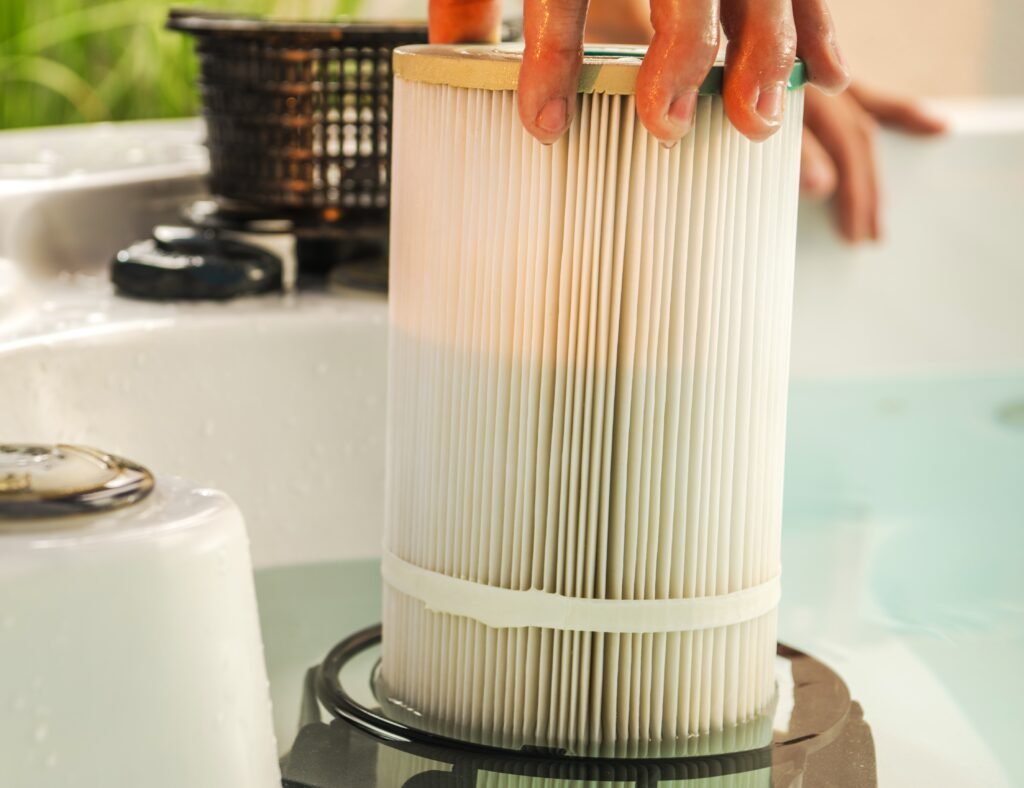
2. Rinse filters thoroughly
3. Boost sanitizer levels per manufacturer instructions
4. Add non-chlorine shock to clear remaining contaminants
5. Use enzymes for recurring foam (follow label directions carefully)
6. Replace or clean scum absorbers if used
🫧 Defoamer can be used for short-term relief (10–15 minutes), such as during parties — but it does not fix the root cause.
If it’s been more than four months since your last water change — or over a year since a plumbing purge — draining and starting fresh may be the best solution. In stubborn cases, a partial water change can also help.
✅ Final Takeaways
• Hot tub foam is common but preventable
• Most foam comes from personal products and unbalanced water
• Consistent testing, sanitation, and shocking are essential
• Personal habits play a major role in long-term water quality
• When foam appears, quick action prevents bigger problems
By following these best practices, your hot tub will remain a source of relaxation — not frustration.

Join The Hot Tub Report Community
Subscribe for Smarter, Better Hot Tubbing
More Hot Tub Articles on This Topic
Swim N Soak Channel